




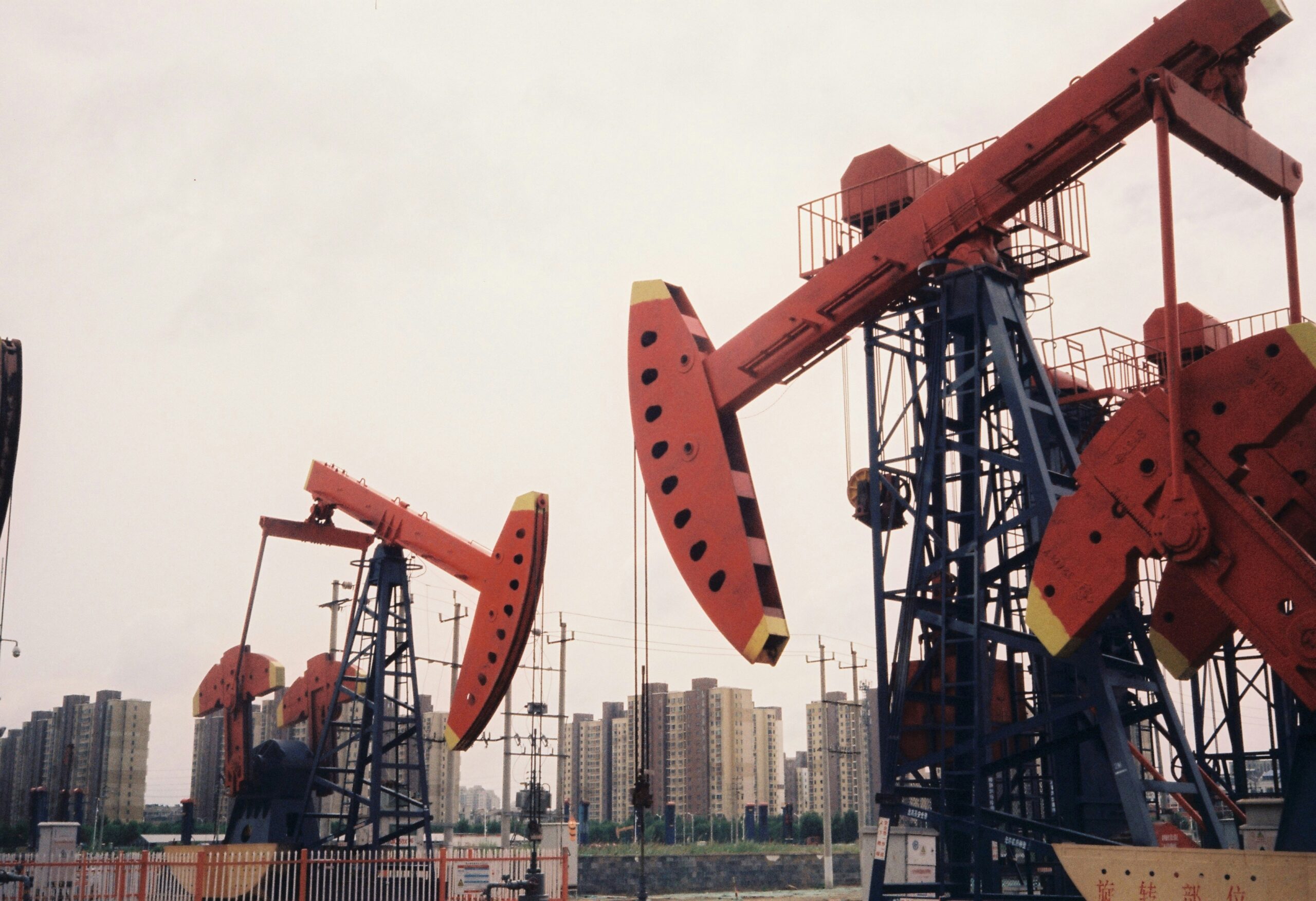
CARACAS: Venezuela’s enormous oil reserves, the largest in the world, are attracting attention from global energy companies, yet doubts persist over infrastructure, legal uncertainty, and political risks.
Since early January, after U.S. forces detained former President Nicolás Maduro, the Trump administration has been promoting foreign investment in the country’s oil, gas, and mining sectors. Sanctions have been eased and the hydrocarbon sector opened to private and foreign companies to encourage investment.
Despite these steps, energy executives remain cautious. Chevron CEO Mike Wirth said progress is visible, but further measures are needed to stimulate investment at the scale required. Shell CEO Wael Sawan called the situation “encouraging” but warned that significant work remains, particularly for complex oil and gas projects.
ExxonMobil has deployed a team to evaluate potential ventures, signaling a shift after previously dismissing Venezuela as “uninvestable,” while noting that hundreds of millions of dollars may be required. Analysts estimate that restoring Venezuela’s oil production to its peak of three million barrels per day could demand tens of billions of dollars.
Experts highlight the country’s aging and undermaintained infrastructure as a major barrier. Researcher Jorge Pinon from the University of Texas at Austin noted that companies are sending small teams to “kick the tires,” inspecting pipelines and logistics before committing to large-scale investment. Existing joint ventures with Chinese and Russian firms further complicate the investment landscape.
Nobel Peace Prize laureate Maria Corina Machado, Venezuelan politician and opposition leader, has proposed full privatization of the oil sector, suggesting that production could reach five million barrels per day with sustained investment, which may exceed $150 billion over the next decade. She emphasized that the reforms are unprecedented, with the state assuming a regulatory role while incentivizing and protecting foreign participation.
Still, legal uncertainties remain. Pinon warned that future governments could amend the hydrocarbons law, as lawmakers may question the legitimacy of the assembly that passed the reforms. Such unpredictability continues to make energy companies cautious, even as the world’s largest oil reserves present enormous potential.




Comment