




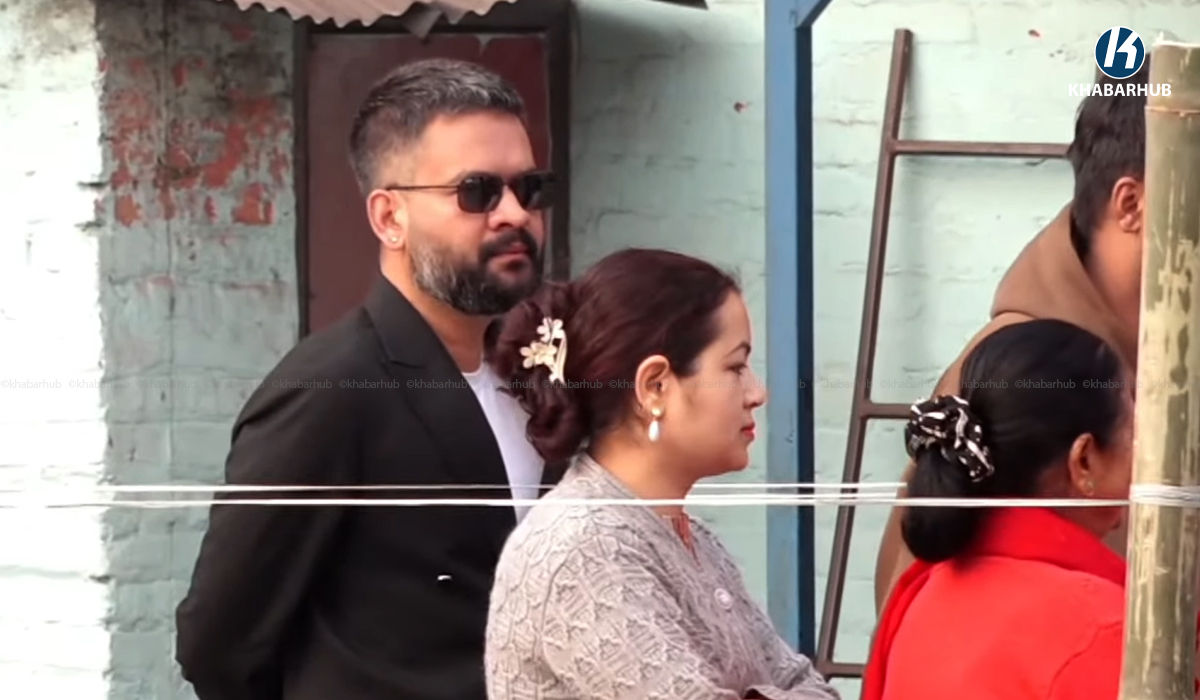
KATHMANDU: The two-day orientation program organized by the Rastriya Swatantra Party (RSP) for its Members of Parliament on Tuesday and Wednesday was notably unattended by senior leader Balen Shah. He remained absent not only from the opening session on Tuesday but also from the closing ceremony.
For the RSP, having secured nearly a two-thirds majority in the House of Representatives election held on March 5, this program was considered highly significant.
The gathering brought together 182 MPs elected through both first-past-the-post and proportional representation systems, marking the first phase of introductions and collective exercises. However, Balen, who has been projected by the party as a future prime minister, appeared to give little importance to the event.
Dr. Amaresh Singh, who was elected from Sarlahi-4 alongside Balen, was also absent. As a result, 180 RSP MPs attended the program held at Hotel Royal Tulip in Gwarko, Lalitpur.
Why did Balen not attend?
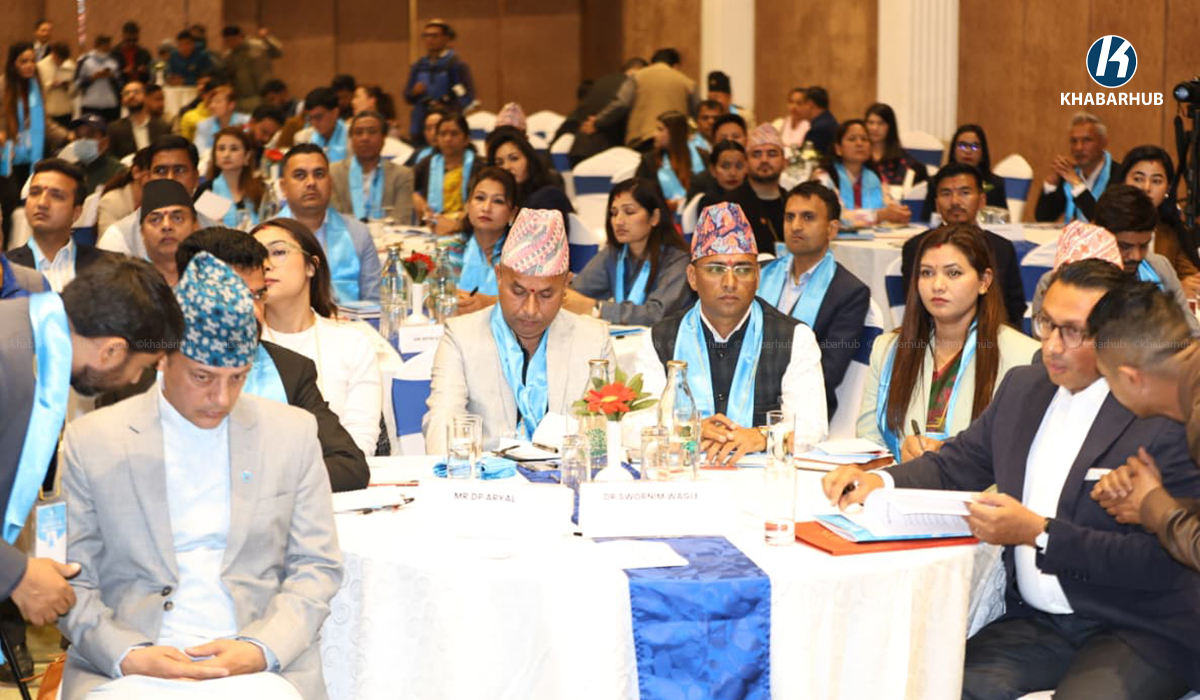
Addressing the program on Tuesday, party Vice Chair Dol Prasad Aryal stated that both party president Rabi Lamichhane and senior leader Balen Shah were unable to attend the first day due to illness and busy schedules. He had assured participants that efforts would be made to ensure their presence at the closing ceremony on Wednesday.
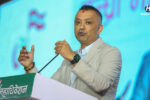
However, things did not unfold as promised. Only party president Lamichhane attended the closing session on Wednesday. He delivered a composed and measured speech lasting about 34 minutes.
Contrary to Aryal’s earlier claim, Lamichhane did not appear unwell. He spoke energetically and at length, presenting detailed and impactful views on the party’s future plans.
Meanwhile, Balen, who is expected to be elected as the parliamentary party leader by the same MPs, was still absent from the hall at Hotel Royal Tulip during the closing session. According to sources, he is likely staying in Nagarkot, working with his aides to outline the structure of the upcoming government.
Party spokesperson Manish Jha said that Balen could not attend the orientation because he needed to devote himself physically and mentally to preparations for the future government. This explanation, however, does not align with the earlier statement made by Vice Chair Aryal.
There has also been no official information indicating that Shah has been hospitalized due to illness. As Shah is known to avoid media interaction against his will, it has been difficult to ascertain his actual condition. Members of his secretariat also appear largely inaccessible at present, with calls going unanswered.
Even individuals close to him, including Kumar Ben and Bhupdev Shah, have limited access to only a select group of journalists. Therefore, based on the party spokesperson’s statement, Shah appears less “unwell” and more preoccupied with preparations for the next government.
Democratic questions surrounding Balen
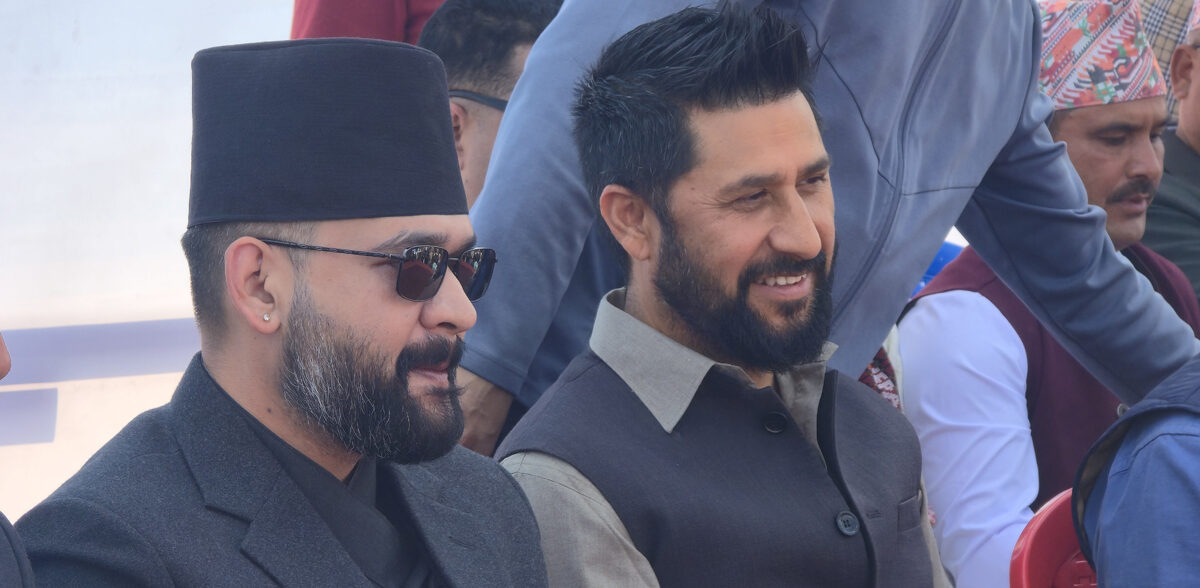
Balen Shah has not yet taken the oath as a member of the RSP and has remained absent from multiple party secretariat meetings, including the one that selected proportional representation MPs. Since assuming the role of senior leader, he has visited the party office only once and has not returned. He also did not attend the first-ever orientation program that brought together all MPs, nor did he receive the orientation or present his vision and policies before the lawmakers who are expected to elect him as their parliamentary party leader.
It is often said that democratic political leadership is built upon the organizational structure of the party and the support of the people. However, questions are now being raised about whether Shah demonstrates a democratic culture. He joined the RSP only shortly before the elections, on December 28, 2025, by signing a seven-point agreement that reportedly included a condition related to becoming prime minister. Since then, concerns have emerged regarding his commitment to democratic norms.
This is not the first time Shah has been absent from key party events. Despite obtaining the position of senior leader through the seven-point agreement with party president Lamichhane, he has not yet taken the basic oath required of party members. Apart from a single visit to the party’s central office before the election campaign, Shah has not attended any party-related events. He also skipped the central secretariat meeting that selected the proportional representation list after the elections.
Now, despite not participating even in the orientation of party MPs, Shah is expected to be chosen by those same MPs as the parliamentary party leader, and potentially become prime minister. Yet, he has shown no willingness to engage with them in formal settings. This raises an important question: if those MPs begin to question Shah’s working style, how will he be elected as their leader? If he is imposed as leader despite such concerns, and if he maintains the same limited accessibility—similar to complaints from the public, employees, and representatives during his tenure at the metropolitan office—what kind of situation might emerge within the RSP?


Comment