




KATHMANDU: Climate-induced disasters are increasing across the Hindu Kush Himalaya region as the impacts of climate change intensify, according to the International Centre for Integrated Mountain Development (ICIMOD).
The latest data released by ICIMOD shows that more than 10 major disaster events were recorded across the region in 2025 alone, highlighting growing vulnerability to climate-related risks in mountain and downstream communities.
Among the eight countries that make up the Hindu Kush Himalayan region, India, Nepal, Bangladesh and Bhutan experienced the highest number of major disasters during the year.
The data also recorded repeated monsoon-triggered floods in Myanmar, Pakistan and China, causing widespread damage to infrastructure and livelihoods. A significant share of global disasters in 2025 occurred in Asia, with severe impacts felt across South and East Asian regions linked to the Hindu Kush Himalaya.
According to the report, countries in the region suffered economic losses exceeding six billion US dollars from climate-related disasters in 2024 alone. Most of the damage was associated with water-induced disasters such as floods, landslides and storms, a trend that continued into 2025.
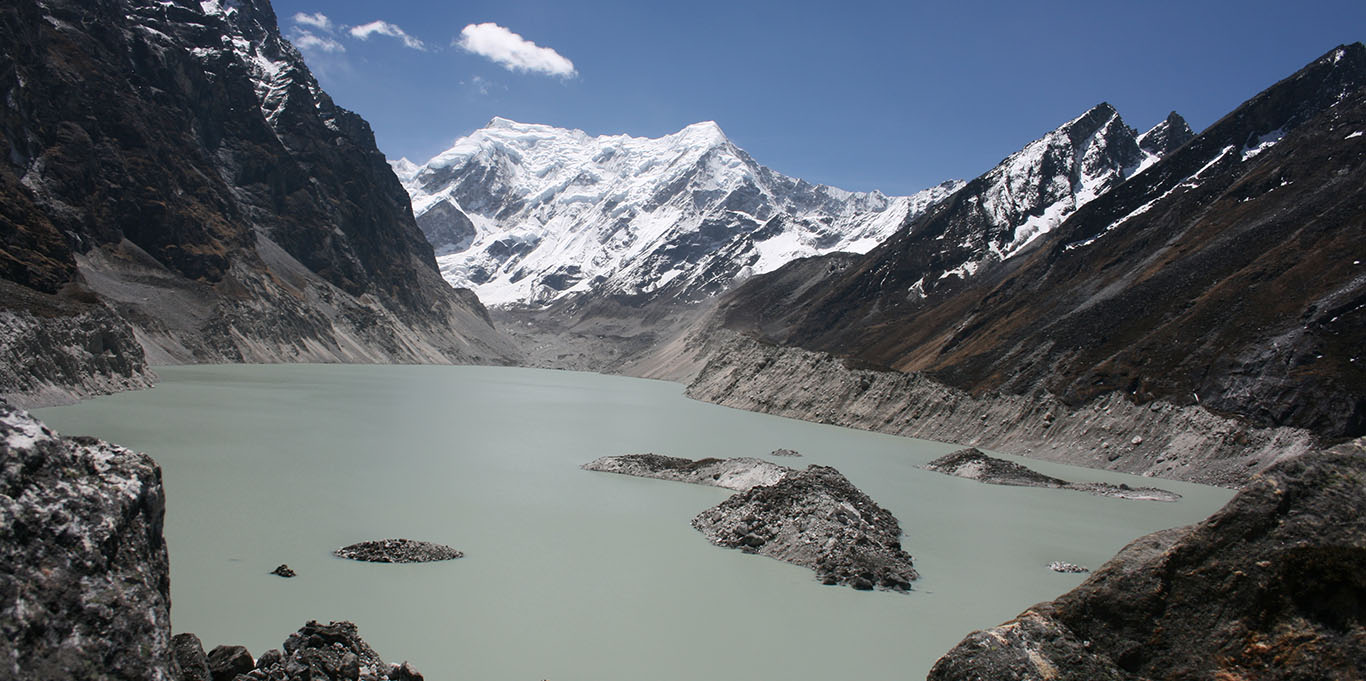
Heavy monsoon rainfall repeatedly triggered floods and landslides in Bangladesh, India, Nepal and Pakistan throughout the year. Other hazards, including glacial lake outburst floods (GLOFs), were also reported in several areas.
The report estimates that around 1.2 million people across the region were displaced or directly affected by disasters during the year.
Globally, disaster-related economic losses in 2025 were estimated at more than 169 billion US dollars. ICIMOD said the scale of losses in the Hindu Kush Himalaya region reflects how complex geography and high-risk terrain amplify the impacts of extreme weather events.
Researchers linked the growing impacts of disasters in the Himalayas to the increasing occurrence of multi-hazard events, where disasters such as floods, landslides and droughts occur simultaneously or trigger one another.
ICIMOD Director General Pema Gyamtsho said recent years have seen a sharp rise in floods, landslides and other disasters across mountain regions.
“This is further increasing damage to homes, infrastructure and essential services,” he said.
The report cited several major disasters in the region over the past decade, including the 2013 Kedarnath floods in India’s Uttarakhand, the South Lhonak glacial lake outburst flood in Sikkim in 2023, and Nepal’s Melamchi floods in 2021.
However, long-term data from 1975 to 2024 indicates that deaths and the number of affected people in the Hindu Kush Himalayan region have gradually declined since 2013. Analysts attributed the improvement partly to stronger disaster preparedness and early warning systems.
Hydrologist Manish Shrestha said that although the increasing number of disasters remains alarming, recent trends suggest fewer people are being affected annually compared to previous years.
“This may reflect improved climate services and preparedness measures in some parts of the Hindu Kush region,” he said. “But as risks continue to rise, sustained investment in preparedness and planning remains essential.”
In Nepal’s eastern region, an early flood warning system installed along the Khando River in 2024 helped alert around 60,000 people living in downstream communities and supported timely evacuation efforts.
ICIMOD Water Division head Nira Shrestha Pradhan said the organization has continued advocating for stronger community ownership and participation in flood early warning systems.
“These systems are low-cost, provide near real-time information, and require only limited budgets for operation and maintenance,” he said. “More importantly, they have repeatedly demonstrated that locally led adaptation requires solutions tailored to local needs and contexts.”
Experts have warned that climate change is altering weather patterns and increasing both the frequency and intensity of extreme events, raising the likelihood of more multi-hazard disasters in the years ahead.
Stretching across 3,500 kilometers, the Hindu Kush Himalayan region spans Afghanistan, Bangladesh, Bhutan, China, India, Myanmar, Nepal and Pakistan. The region is considered critical for the food, water and energy security of nearly two billion people across Asia.
It is also home to numerous rare and irreplaceable species of plants and wildlife, but remains highly vulnerable to climate change, pollution and biodiversity loss.






Comment