




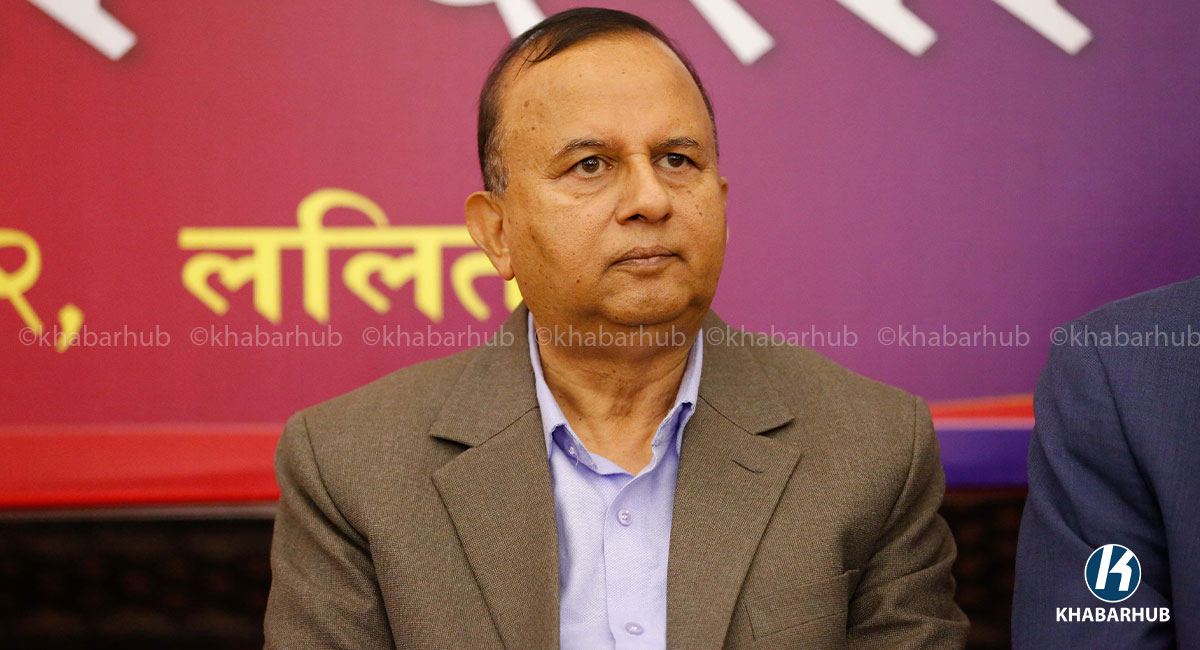
KATHMANDU: General Secretary of the CPN-UML Shankar Pokhrel has raised questions over the transparency of foreign loans being taken by the government led by Balendra Shah.
Stating that borrowing for sustainable infrastructure development is both a necessity and an obligation for Nepal, Pokhrel said concerns arise over the intent behind the government’s current borrowing practices.
Pokhrel remarked that those who previously criticised foreign borrowing as a factor that could push the country into debt are now taking large amounts of loans after coming to power.
Writing on Facebook, he said those who once blamed previous governments for relying on foreign loans are now borrowing heavily without clearly presenting the government’s policies, programmes and priorities in Parliament.
In such a situation, he said, it is natural to ask why foreign loans were opposed in the past but accepted now.
Pokhrel also demanded that the government clearly explain to the public how the borrowed funds will be utilised and what priorities they will serve. He stressed that the government should remain accountable to Parliament and the people and provide transparent answers.
He further warned that increasing debt without clear plans and priorities could have long-term implications for the country.






Comment