




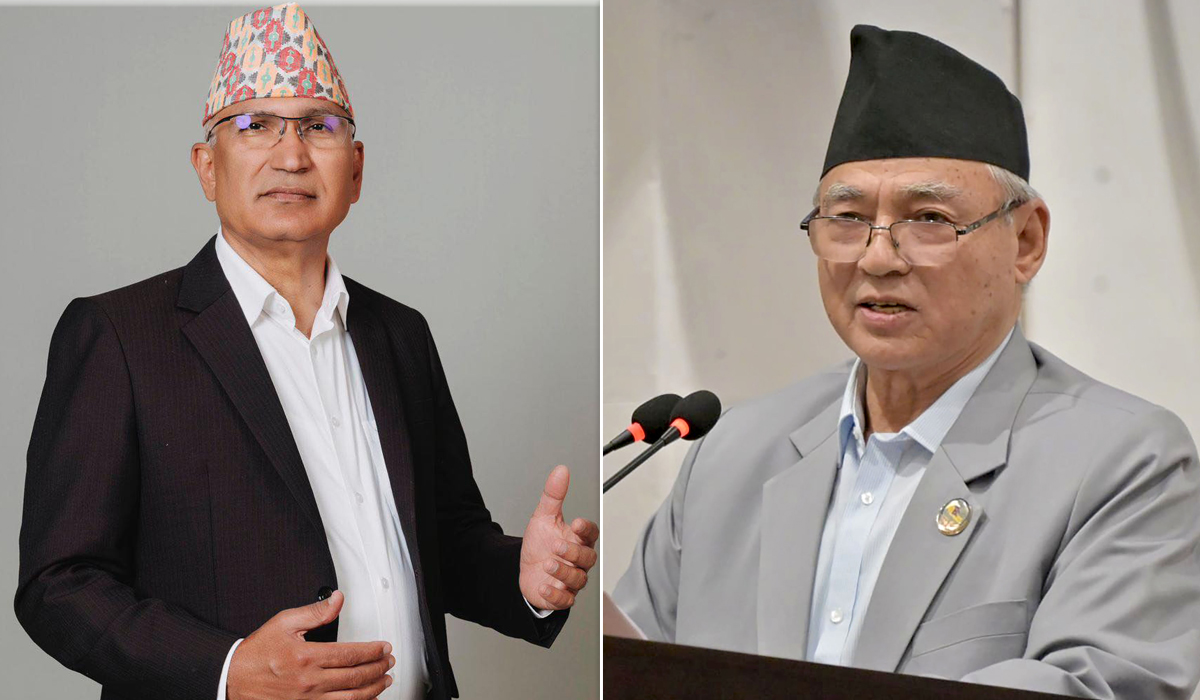
KATHMANDU: A new power struggle has surfaced within the CPN-UML after party Vice Chair Bishnu Paudel appeared to change his stance following the arrest of party Chair KP Sharma Oli.
Oli was arrested on March 28 over allegations related to the violent turn of the Gen‑Z Movement in Nepal held on September 8 and 9, 2025, during which several youths reportedly lost their lives. His arrest has created a possibility of a shift in the internal power balance within the party.
Paudel, who was elected vice chair from Oli’s panel during the party’s 11th General Convention, is now seen aligning himself with leaders outside the establishment faction. Political observers say his move could significantly alter the balance of power inside the party.
The internal tension became more visible after Paudel publicly expressed dissatisfaction with remarks made by acting party chair and parliamentary party leader Ram Bahadur Thapa, also known as Badal, during Thursday’s meeting of the House of Representatives.
Discontent against Oli had been growing within the party following the UML’s poor performance in the election results announced on March 5. Several leaders were reportedly preparing to pressure Oli to step down through a party meeting. However, that plan was delayed after Oli suffered a personal bereavement.
As leaders within the anti-establishment faction began organizing around the issue of leadership change, Paudel’s public criticism has added a new dimension to the debate.
Badal has already stated that his address in parliament was delivered in line with instructions from Oli. The speech was reportedly prepared following Oli’s directive and suggestions from party General Secretary Shankar Pokharel, which has further intensified internal tensions.
Party insiders say Paudel’s sharp remarks directed at Badal indicate that he has now openly aligned with leaders outside the Oli camp.
Following Oli’s arrest from Gundu last Saturday and his placement in custody, Paudel has reportedly begun consolidating support from leaders dissatisfied with the current leadership.
Acting chair dispute
After Oli went into custody, Paudel was believed to have expected the responsibility of acting chair. However, Oli instead assigned the role to former Maoist leader Badal.
Badal was also chosen as the leader of the parliamentary party, a development that reportedly deepened Paudel’s dissatisfaction with Oli’s decisions.
Paudel had earlier aspired to become senior vice chair during the 11th General Convention, but Oli did not support him. Following a rebellion led by Ishwar Pokharel, Oli eventually decided not to retain the senior vice chair position.
Sources say Paudel became increasingly frustrated after Oli appeared to place greater trust in former Maoist leaders rather than long-time UML figures.
Rivalry with Pokharel
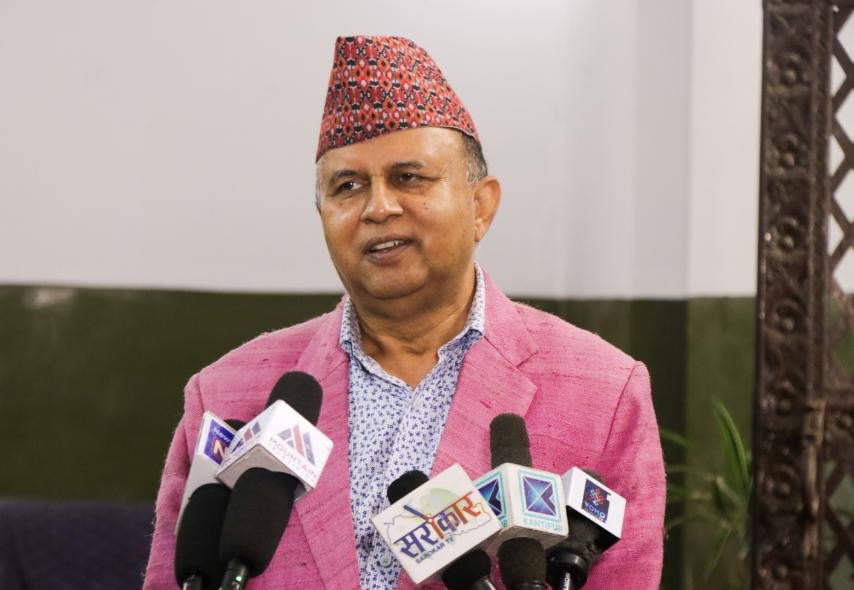
Paudel’s rivalry with General Secretary Pokharel is long-standing, with both leaders hailing from the Lumbini Province. Their competition for influence has extended across the province for years and continues to shape internal party dynamics.
Having served as finance minister five times, Paudel is reportedly preparing to stake a claim for party leadership in the 12th General Convention.
Meanwhile, Pokharel remains one of Oli’s closest confidants and is currently seen as stronger than Paudel within the party hierarchy. Party insiders say Pokharel played a key role in appointing Badal as both acting chair and parliamentary party leader.
Pokharel is also said to have prevented supporters of younger leader Suhang Nembang from proposing him as a candidate for parliamentary party leader.
Search for support
Leaders outside the establishment faction such as Yogesh Bhattarai and Gokarna Bista may support Paudel in efforts to push Oli out of leadership. However, party insiders say they are unlikely to back Paudel as the next leader.
Former Chief Minister Prithvi Subba Gurung could also support the move to replace Oli, but the question of who should lead the party afterward remains unsettled.
There is also growing demand within the party for generational change. Younger leaders argue that not only Oli but also senior figures such as Paudel and Pokharel should step aside to allow a new generation to take charge.
Rising youth dissent
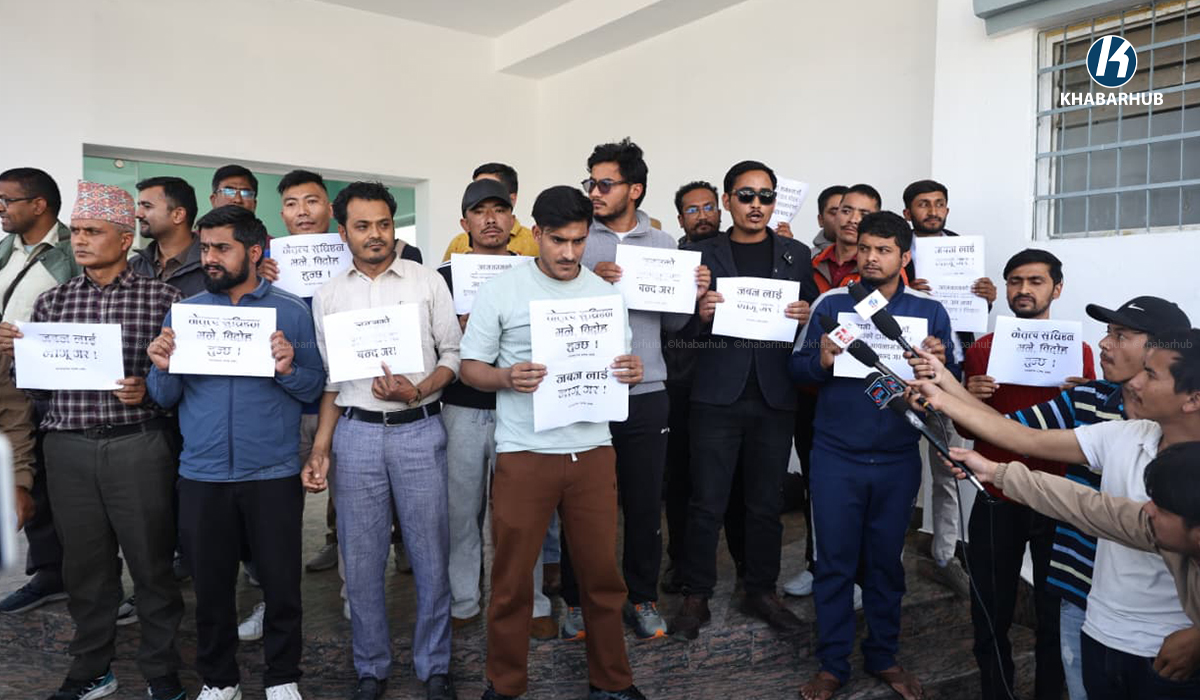
Discontent among UML’s youth leaders has intensified after Nembang was not selected as parliamentary party leader. Young cadres have begun openly demanding leadership change.
The debate over generational transition gained further momentum after the Rastriya Swatantra Party secured nearly a two-thirds majority in the recent elections, prompting UML’s younger members to push for reform within their party.
Some youth activists even surrounded the party headquarters in Chyasal during a secretariat meeting, offering flowers to senior leaders while urging them to pave the way for new leadership. Protesters also burned an effigy of Pokharel.
Former student leader Samik Badal said the debate over generational leadership is now unavoidable, arguing that the party must adapt to changing times.
Who after Oli?
With Oli facing criminal charges that could result in pre-trial detention, discussions have intensified within UML about who could lead the party in his absence.
Paudel himself has faced controversy over his alleged involvement in the Lalita Niwas Land Scandal, prompting some leaders to oppose giving him the party’s top position.
Others argue that neither Pokharel nor Badal would be able to effectively lead the party, strengthening calls for leadership to be handed over to a younger generation.
Leaders including Bista, Bhattarai, Binda Pandey and Usha Kiran Timilsina have also been advocating for generational change within the party.
As the debate continues, the UML appears increasingly divided over both the future of its leadership and the direction the party should take in the coming years.






Comment