




KATHMANDU: Political party-affiliated trade unions within Nepal’s civil service have stepped up after a fresh attempt to inject the Gen-Z protest movement into the bureaucracy triggered tensions.
The controversy began when some civil servants, under the banner of a new “Gen-Z Civil Service Assembly,” demanded the resignation or dismissal of Chief Secretary Ek Narayan Aryal, several secretaries, and senior officials of the Supreme Court and Federal Parliament Secretariat.
They accused the leadership of shielding political interests and failing to deliver genuine administrative transformation.
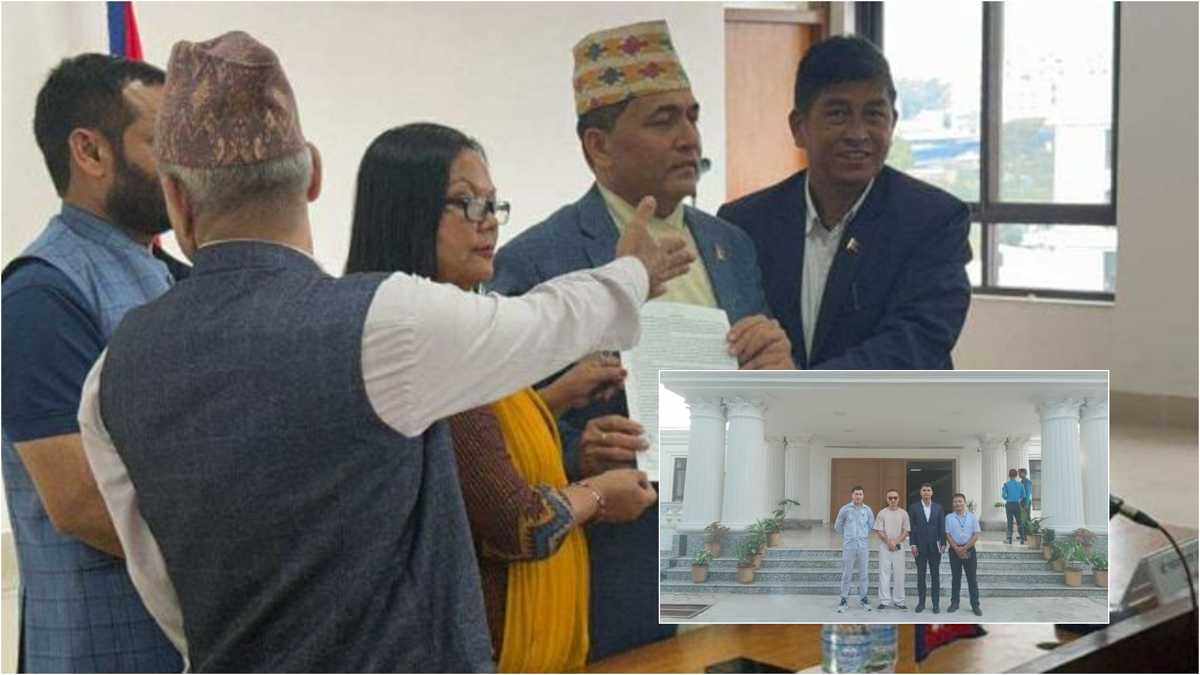
In response, more than half a dozen established unions, including the Nepal Civil Servants’ Organization, Civil Servants’ Union, National Civil Servants’ Organization, Madhesi Civil Servants’ Forum, Unified Government Employees’ Organization, and the Independent Employees’ Organization, jointly submitted a memorandum to Aryal. The unions argued that calls for resignation, blanket condemnations of registered organizations, or street-style campaigns were not solutions.
“Public administration reform must come through constitutional provisions, legislation, rules, and necessary amendments — not through disruptive agitation,” the memorandum stated. The unions urged civil servants to remain focused on service delivery, especially with national elections scheduled for March 5, 2026, and acknowledged public expectations for improved governance raised during the Gen-Z protests.
What is the Gen-Z Civil Service campaign?
The Gen-Z protest wave, which erupted nationwide on September 8–9, has now spilled into the bureaucracy. On Tuesday, a group of officials announced the formation of a “Public Administration Transformation Campaign–2025,” openly distancing themselves from party-linked unions.
Led by Ganesh Ghimire, a section officer at the National Natural Resources and Fiscal Commission, about a dozen employees staged a gathering at the Department of Roads. They claimed to already be in contact with some 500 civil servants and vowed to expand. “Political party unions should not exist in government institutions,” Ghimire said, adding that entrenched leadership could no longer drive reform.
The campaign unveiled a six-point charter, placing the eradication of corruption and enforcement of good governance at the top. It also called for creating a safe and motivating environment for civil servants to work effectively, overhauling the transfer, promotion, and career advancement system, immediately scrapping partisan trade unions within the bureaucracy, and passing the long-delayed Federal Civil Service Act and related laws to regulate public service delivery.
Despite Nepal adopting a new constitution a decade ago, the Federal Civil Service Act has yet to be enacted, leaving the sector vulnerable to political maneuvering and administrative stagnation.
Rising tension in the bureaucracy
The demands have rattled the bureaucracy. Established unions fear their legitimacy and influence could be undermined, while younger officials insist entrenched structures are blocking genuine reform. The unions’ move to rally behind Chief Secretary Aryal suggests a brewing showdown between traditional, party-linked associations and the new Gen-Z-inspired reformists.
For now, the unions say they want stability ahead of the polls, while the Gen-Z group has vowed to keep pressing for structural transformation. With both sides mobilizing, Nepal’s civil service finds itself caught in the crosscurrents of political upheaval and generational unrest.





Comment