




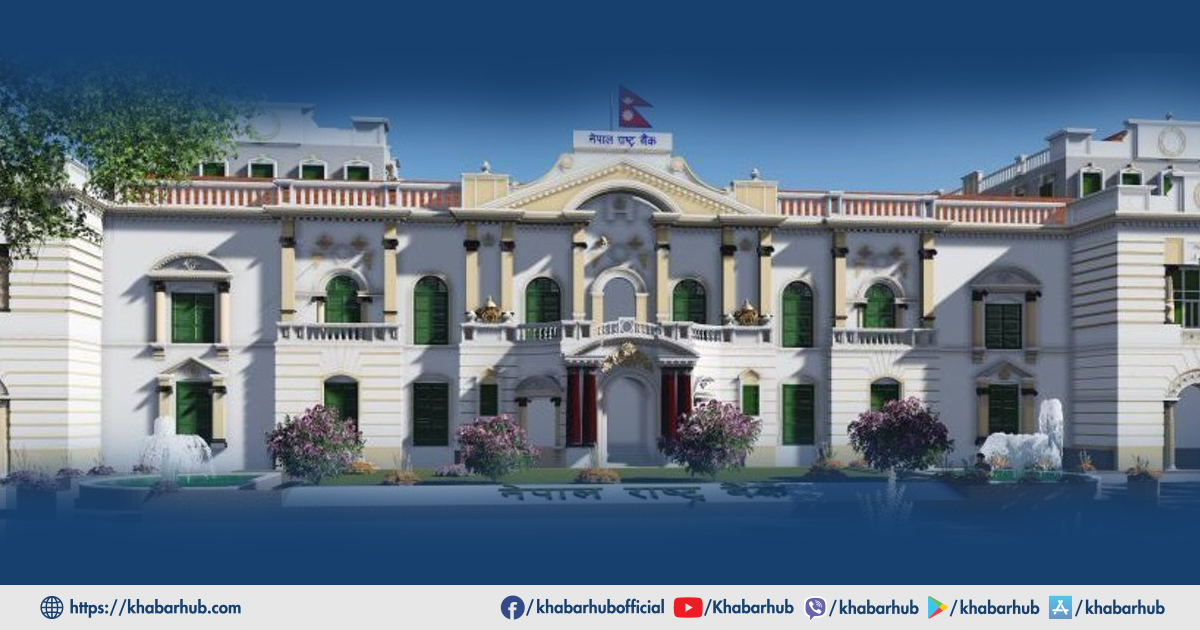
KATHMANDU: Governor of Nepal Rastra Bank, Dr. Biswo Nath Poudel, presented the 24th monetary policy on Friday for the upcoming fiscal year.
While the policy outlines global and national economic conditions and reviews financial and monetary sectors through data, many believe it fails to reflect the Governor’s critical ideas shared in recent months.
Among the key figures cited in the policy is the government’s ambitious target of 6 percent economic growth. However, capital expenditure continues to lag significantly behind targets, while current expenditures and fiscal management burdens are on the rise. Revenue collection and foreign aid remain underwhelming compared to goals.
As per the monetary policy, the average consumer inflation in the first 11 months of the current fiscal year stands at 4.24 percent. Both imports and exports increased during this period, with a 15.5 percent rise in remittance inflows leading to a favorable current account and balance of payments. Foreign currency reserves have also grown close to Rs 2.6 trillion.
Despite these gains, the money supply shrank in comparison to the same period last year, although credit flow to the private sector increased. Interest rates for both deposits and loans declined, but banks are facing growing pressure from non-performing loans.
Before unveiling the policy, Governor Poudel and central bank officials consulted with regulatory bodies, financial experts, and policymakers across various forums. Poudel, known for speaking candidly about economic challenges, has highlighted the importance of inclusive banking and questioned current lending practices.
Yet critics argue that none of these bold thoughts made it into the monetary policy. Instead, they say, the policy relies heavily on reviving stagnant sectors like real estate and the stock market – areas some economists have bluntly called “dead meat.”
Pre-policy comments now missing
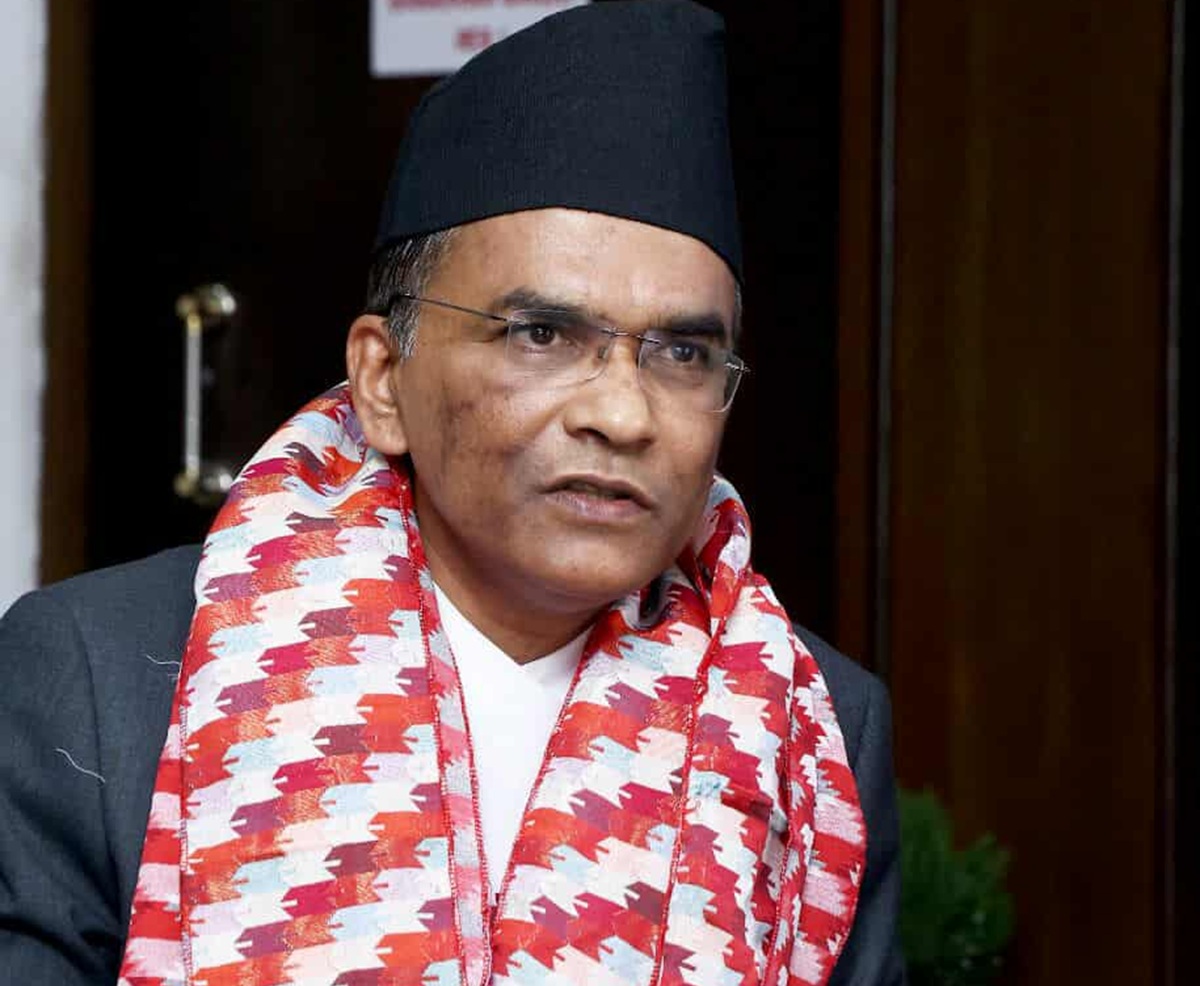
On May 31, while addressing a program hosted by Nepal Bankers’ Association, Poudel stressed the need for inclusive banking. Earlier on May 19, he told the Parliamentary Finance Committee that a disproportionate share of loans was flowing to a small group of individuals. On July 3, in another meeting with the committee, he raised questions about the licensing system for banks.
However, those earlier assertions find little trace in the current monetary policy, say analysts, who believe Governor Poudel missed an opportunity to make a fresh and transformative start.
Experts raise red flags

Former NRB Governor Dr. Dipendra Bahadur Kshetry pointed out that the provisions for home loans up to Rs 30 million, education loans, and loans to women are not new. He said such loans are counted under directed lending and don’t signify policy innovation.
“Banks are generally reluctant to enter new sectors,” he said. “The experience with education loans hasn’t been great either. Increasing the home loan limit from Rs 20 million to 30 million may expand reach slightly, but it’s not game-changing.”
Dr. Kshetry further argued that the policy represents a reversal of past reform efforts and instead appears to promote unchecked liberal economic practices.
“The policy quietly promotes profit-seeking by capital and opposes state intervention,” he added.
He also warned that during the policy review in three months, adjustments may be needed due to limitations in the current framework, especially as banks and cooperatives struggle with self-regulation.
Nar Bahadur Thapa, former Executive Director of NRB, agreed that Governor Poudel’s public comments are not adequately reflected in the policy.
“The governor appears to have opted for the status quo. Some of the token measures like promoting SMEs and providing Rs 1 million loans in agriculture are more like ‘lollipops’ than serious reforms,” he said.
He criticized the idea of revitalizing sectors like real estate and the secondary stock market.
“It is delusional to think that reviving these already-dead markets will bring life to the economy, especially when thousands of Nepalis are leaving the country every month. How can you expect real estate to grow in this context?” he questioned.
Thapa also said that the secondary market, as it currently functions, fails to support the primary market. Therefore, easing stock market rules without structural reform won’t make a meaningful difference.
“It’s a dream detached from reality,” he said.





Comment