




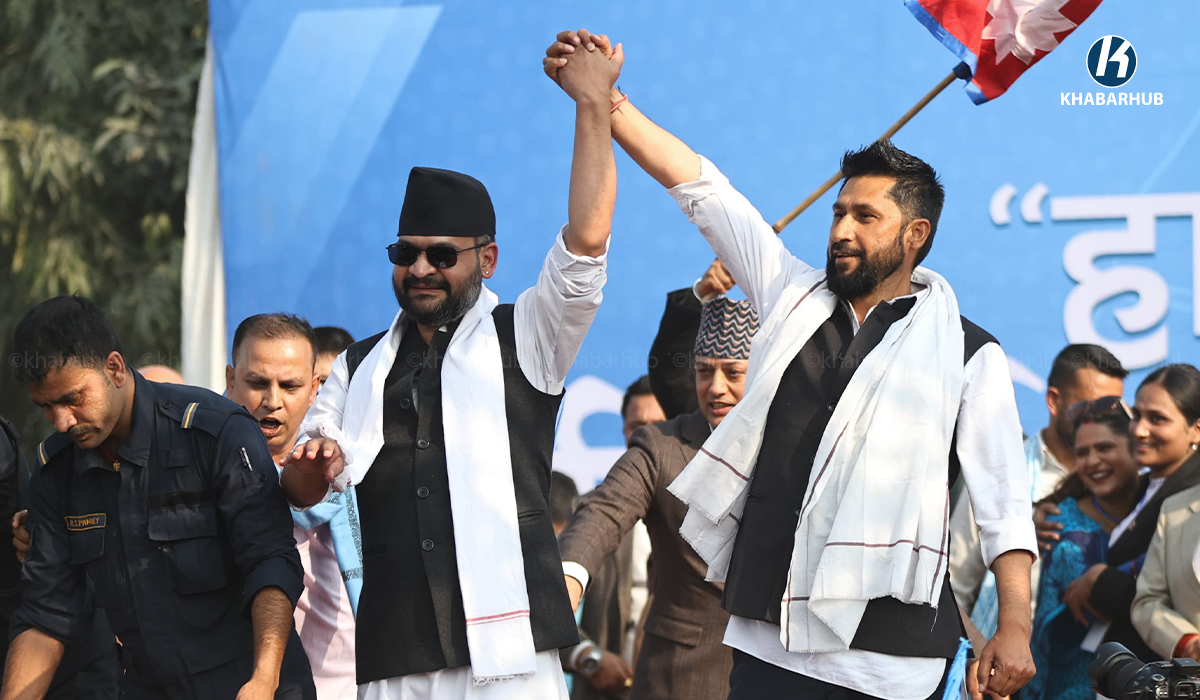
KATHMANDU: Preparations are underway to form a new government within a week, with the Rastriya Swatantra Party (RSP) expected to lead the administration and senior leader Balen Shah poised to become Nepal’s next prime minister.
Although the party’s statute states that the parliamentary party leader becomes prime minister, Shah joined the RSP only on December 28, 2025, ahead of the election. Despite his recent entry into the party, RSP had presented him across the country as its prime ministerial candidate during campaign programs.
The party is now preparing to amend its statute to allow Shah to become the parliamentary party leader, clearing the way for him to lead the government.
Near two-thirds majority
Combining both direct and proportional representation seats, the RSP currently holds 182 seats in the 275-member House of Representatives, just two seats short of the two-thirds majority mark of 184.
Despite having a clear majority to form a single-party government, the party appears keen to keep the door open for cooperation with other political forces.
Party leaders say they are adopting a cautious strategy to avoid antagonizing other parties, especially as constitutional amendments and changes to key laws would require broader political consensus.
“We are not pursuing politics of revenge but working toward reform,” a senior RSP leader said, adding that investigations into various issues would proceed within the framework of the constitution and law while maintaining political understanding among parties.
Closer ties with smaller forces
Observers say Shah appears closer to leaders outside the two major parties, Nepali Congress and CPN-UML.
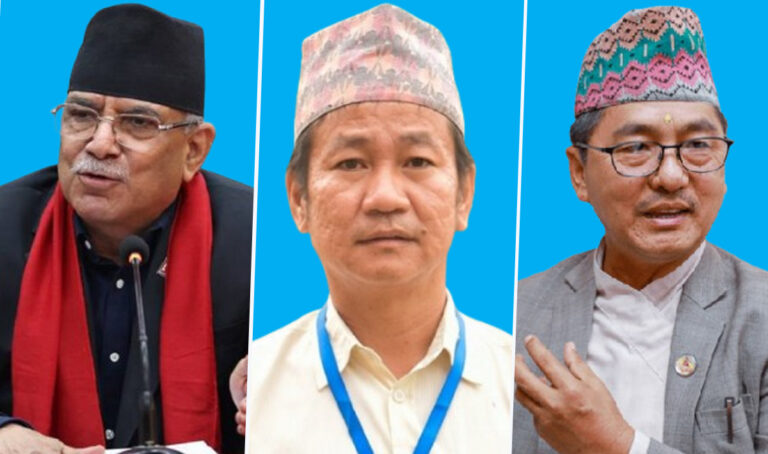
RSP chair Rabi Lamichhane has also been seen as relatively more open to cooperation with groups such as the Rastriya Prajatantra Party and the Nepal Communist Party.
Ahead of the election, RPP chair Rajendra Lingden and Lamichhane had discussed contesting elections independently while cooperating on national issues when necessary.
Similarly, leaders from the Nepal Communist Party, including coordinator Pushpa Kamal Dahal, exchanged congratulatory phone calls with Lamichhane after the election results were announced.
According to insiders, the conversation between the two leaders focused on extending congratulations rather than discussing political retaliation or rivalry.
Relations strained with UML and Congress
Political analysts say relations between the RSP leadership and the two major parties remain strained.
Lamichhane has repeatedly accused the former governments led by Nepali Congress and CPN-UML of pursuing political vendettas against him before the September 8 and 9, 2025, incidents.
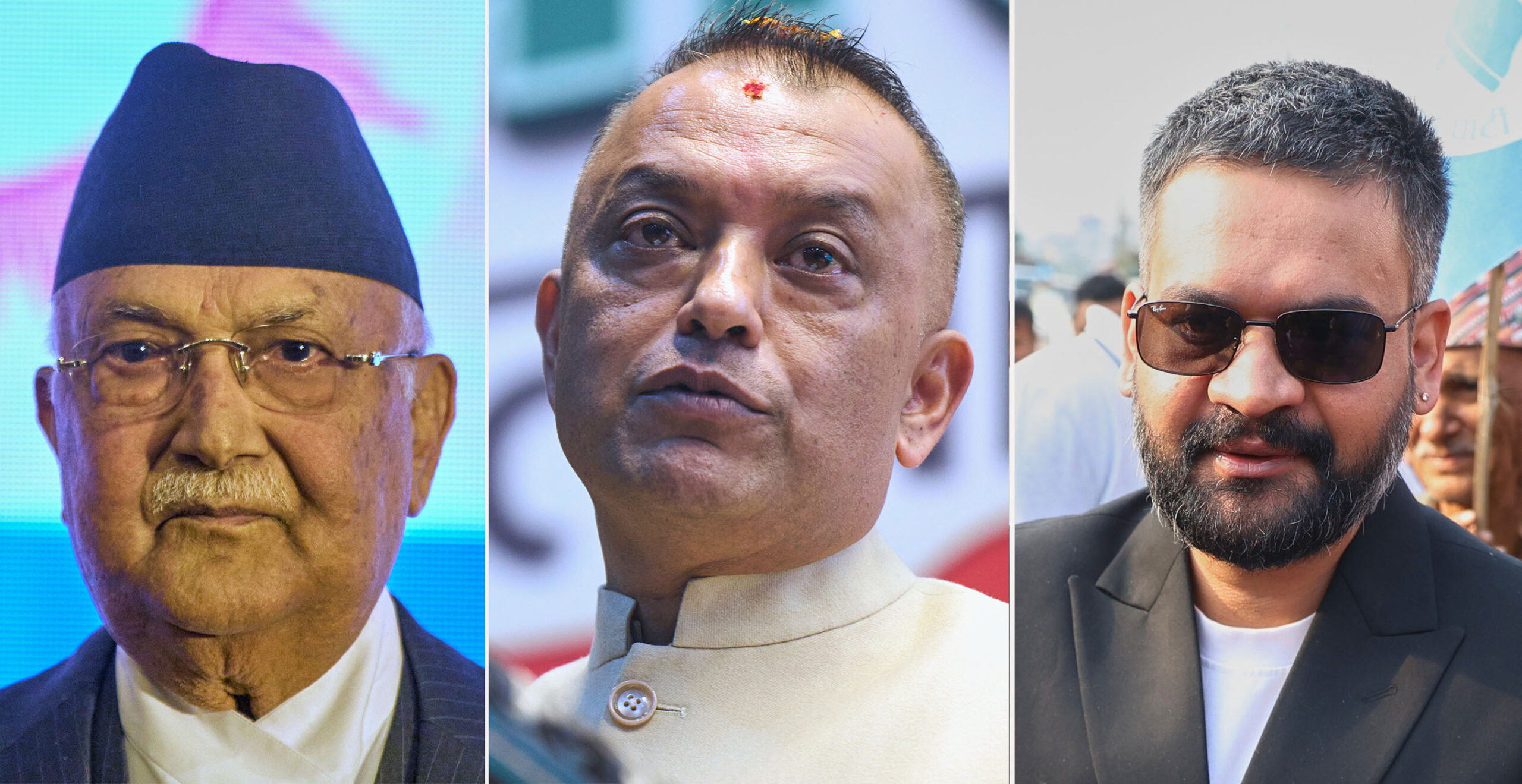
Meanwhile, tensions between Shah and former prime minister KP Sharma Oli date back to Shah’s tenure as mayor of Kathmandu Metropolitan City.
Their rivalry intensified after Shah contested from Jhapa-5 in the election and defeated Oli.
Focus on consensus politics
Despite the political friction, Shah’s secretariat says the party aims to work with all political forces on national issues.
“Certain matters, including constitutional amendments and legal reforms, require national consensus,” a member of Shah’s secretariat said. “The people have given a mandate for civilized politics, not for endless blame games.”
The party also hopes to secure a comfortable position in the National Assembly of Nepal to ensure smooth passage of legislation approved by the House of Representatives.
In the 58-member National Assembly, 29 seats are required for a majority. Currently, Nepali Congress holds 24 seats, the Nepali Communist Party 17, and CPN-UML 10, while smaller parties share the remaining seats.
Shah-Lamichhane meeting
Following the election, Lamichhane has been resting at home due to seasonal fever and cold. Senior party leaders have been visiting him, and he has remained in contact with party members through phone calls.
Shah recently met Lamichhane at his residence, where the two discussed submitting the party’s proportional representation list before Sunday and convening a central committee or secretariat meeting.
The upcoming central committee meeting is expected to endorse Shah as the parliamentary party leader after amending the party statute, formally paving the way for him to become prime minister.
Sources say discussions also touched on the composition of the future Cabinet, including whether to prioritize elected lawmakers or appoint non-parliamentary experts to key ministerial roles.
Party insiders say Shah has been consulting experts and senior leaders on the structure and priorities of the next government, while Lamichhane is overseeing the party’s internal preparations.


Comment