




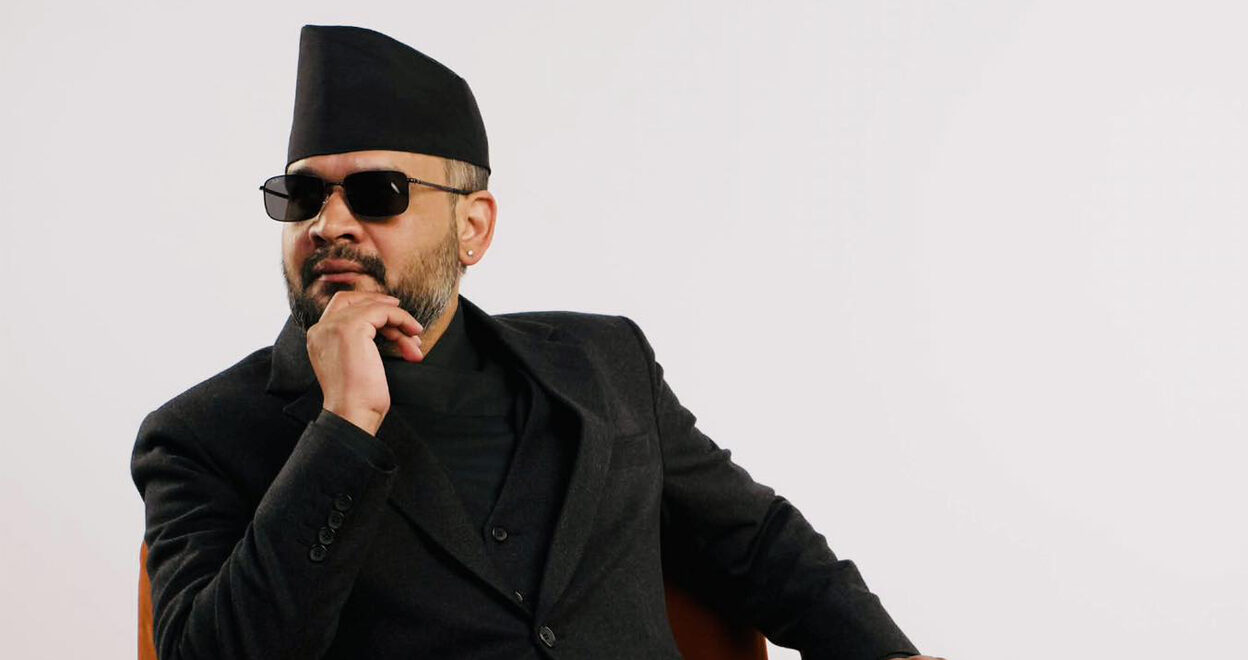
KATHMANDU: The Rastriya Swatantra Party (RSP) is preparing to form a new government today on the back of an unprecedented public mandate.
Senior leader Balendra (Balen) Shah is set to become the youngest elected prime minister in Nepal’s democratic history.
No political party in Nepal has previously secured such a strong level of public support. The earlier highest mandate was achieved by the Nepali Congress in 2015 BS, when it won 74 out of 109 parliamentary seats, paving the way for BP Koirala to become the country’s first elected prime minister.
However, the electoral systems of 2015 BS and 2082 BS differ significantly. The earlier election was held solely under a direct voting system, without any proportional representation.
As a result, despite obtaining only 37.2 percent of the popular vote, the Nepali Congress managed to secure a commanding majority, largely due to vote fragmentation among multiple parties and independent candidates.
In contrast, this year’s election followed a mixed electoral model. The RSP has secured 182 out of 275 seats through both direct and proportional systems, falling just two seats short of a two-thirds majority. The party has also garnered 47.8 percent of the proportional vote.



Comment