




KATHMANDU: The government has urged the public to take precautions against Japanese encephalitis (JE), a mosquito-borne viral disease, amid a rise in infections and deaths.
The Family Welfare Division under the Ministry of Health and Food Safety has called on people to remain vigilant and take preventive measures as JE cases continue to increase. According to a notice issued by the Division today, 21 people have died from JE across the country so far this year.
Jhapa has recorded the highest number of deaths, with six fatalities among 10 confirmed cases. The Division said JE has so far been confirmed in 80 people across 59 local levels in 25 districts.
According to Dr Abhiyan Gautam, head of the division’s vaccination section, 86 percent of those diagnosed with JE had not received the JE vaccine. None of the 21 people who died had been vaccinated against the disease, he said.
The Division has urged people to seek medical attention immediately if they develop symptoms such as high fever, severe headache, loss of consciousness, seizures, tremors or changes in mental status.
Jhapa has recorded the highest number of cases with 10, followed by Kailali and Morang with seven each; Saptari and Kanchanpur with six each; and Chitwan, Sunsari and Nawalparasi East with five each, Dr Gautam said.
Although most cases have been reported in the Terai and Inner Madhesh regions, JE has also been detected in hill districts, including Ilam, Kavrepalanchok, Kathmandu, Sindhuli and Surkhet.
How does Japanese encephalitis spread?
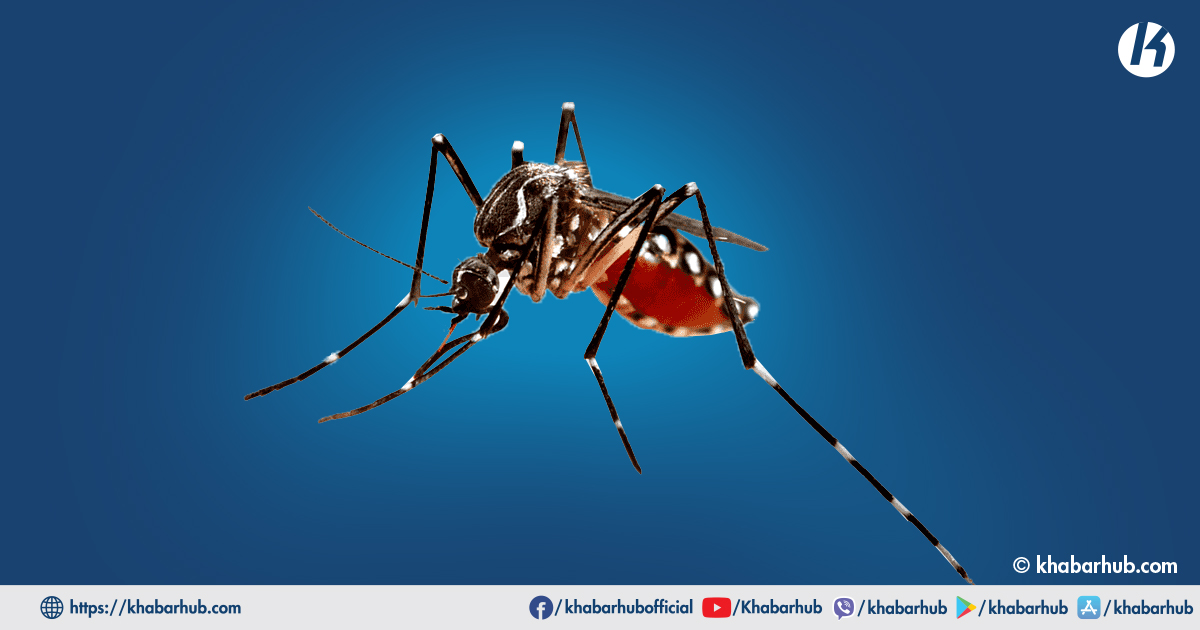
Japanese encephalitis is primarily transmitted to humans through the bites of infected Culex mosquitoes.
According to the latest data, 87 percent of JE cases have been reported from Terai districts. Many of those infected live in areas near rice fields and pig farms.
The virus circulates between mosquitoes and infected animals, particularly pigs and certain birds. Mosquitoes that become infected by biting these animals can subsequently transmit the virus to humans.
JE can be severe. While most infections do not cause symptoms, severe cases can lead to encephalitis, neurological complications and death. Survivors of severe disease may be left with long-term neurological or other disabilities.
Who is most at risk?
Of the 80 confirmed cases recorded so far this year, 51, or 64 percent, are people aged over 15.
People aged over 50 account for 81 percent of the deaths recorded from JE, according to the latest figures.
Of the 80 confirmed cases, 43 are male and 37 are female. With 21 deaths among the 80 confirmed cases, the reported case-fatality rate is 26 percent.
Vaccination, avoiding mosquito bites and seeking prompt medical care when symptoms appear are important measures to reduce the risk of severe disease.
What are the symptoms?
Japanese encephalitis (JE) may initially cause mild, flu-like symptoms. In some cases, however, the illness can progress rapidly and cause serious symptoms, including:
High fever, chills and severe headache
Nausea and vomiting
Dizziness, confusion or fainting
Tremors or seizures
Changes in consciousness or behavior
Difficulty speaking or moving
Not everyone infected with JE develops severe symptoms, but encephalitis can be life-threatening and requires urgent medical attention.
What should you do if you experience these symptoms?
Do not try to treat these symptoms at home or wait for them to improve on their own. If someone develops a high fever along with severe headache, confusion, seizures, loss of consciousness or other serious neurological symptoms, they should be taken to the nearest health facility or hospital immediately.
Early medical attention can help reduce complications and may save lives. Delayed treatment can lead to severe brain damage, long-term neurological problems and an increased risk of death.
Health workers therefore recommend seeking medical care without delay if symptoms suggestive of severe JE appear.
How can you protect yourself from Japanese encephalitis?
The best ways to reduce the risk of JE are vaccination and protection against mosquito bites. To help prevent mosquito bites:
Install screens or mosquito nets on windows and doors.
Remove standing water around the home where mosquitoes can breed.
Wear long-sleeved shirts, long trousers and other clothing that covers the arms and legs.
Sleep under a mosquito net, especially in areas where JE is prevalent.
Use mosquito repellents or other appropriate mosquito-control measures.
Apply an appropriate insect repellent to exposed skin, following the product instructions.
Get vaccinated against Japanese encephalitis according to the national vaccination schedule.
Ensure children receive the recommended JE vaccination at the appropriate age.
Vaccination is one of the most effective ways to prevent Japanese encephalitis, while reducing exposure to mosquitoes provides additional protection.





Comment