




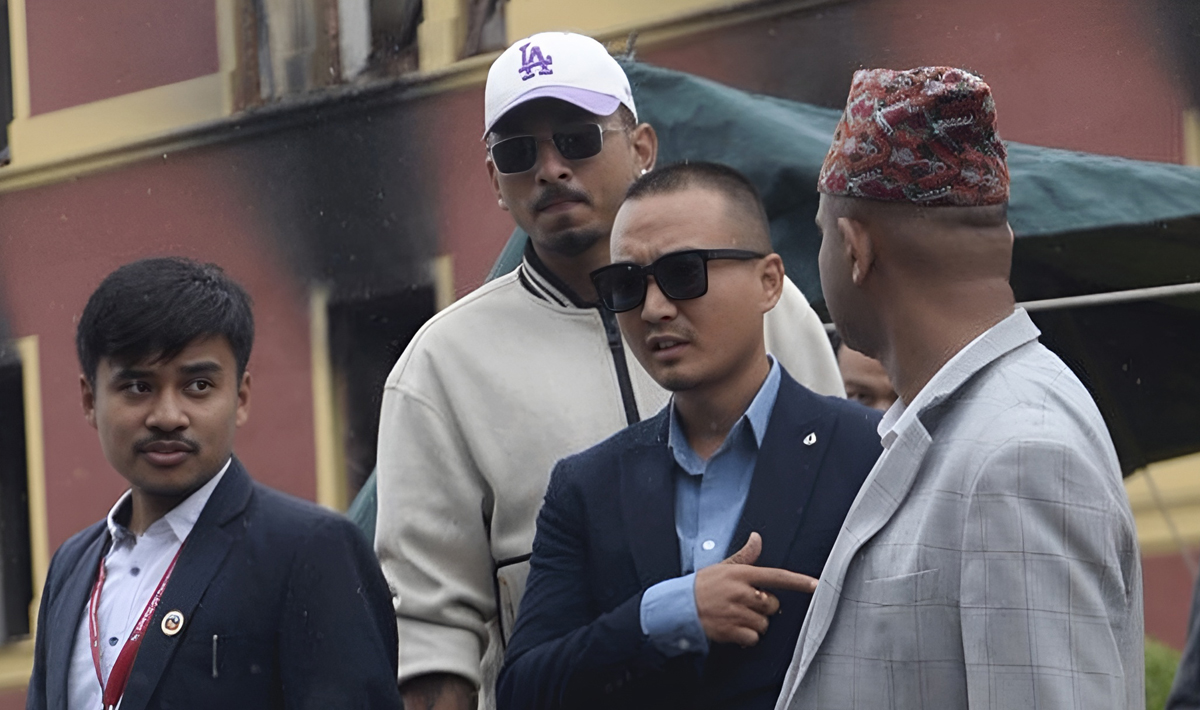
KATHMANDU: The inquiry report submitted by the commission led by Gauri Bahadur Karki on the Gen-Z protest of September 8 and 9, 2025, has raised serious questions about the role of security agencies and their leadership, while largely avoiding scrutiny of the connections of Sudan Gurung, head of Hami Nepal and newly elected RSP lawmaker.
According to the report, Gurung repeatedly contacted senior security officials in Kathmandu during the two days of the movement. On September 8, he sought approval for the demonstration from the District Administration Office and maintained frequent communication with top security personnel.
Discord messages also indicated he discussed plans with youths, including the use of petrol bombs and arson targeting private and government offices. Gurung, however, claimed he had informed police about other groups preparing for anarchic activity.
Gurung stated that Hami Nepal participated in the movement in an organized way, assigning one leader per group of twenty demonstrators. He also reportedly informed a subgroup led by Raksha Bomb that the protest was not theirs on September 8 at Maitighar. On September 9, he visited security offices following a summons from the Secretariat of Chief of Army Staff Ashok Sigdel and assisted in maintaining discipline, providing aid, and coordinating for the safety of demonstrators.
Extensive phone contacts
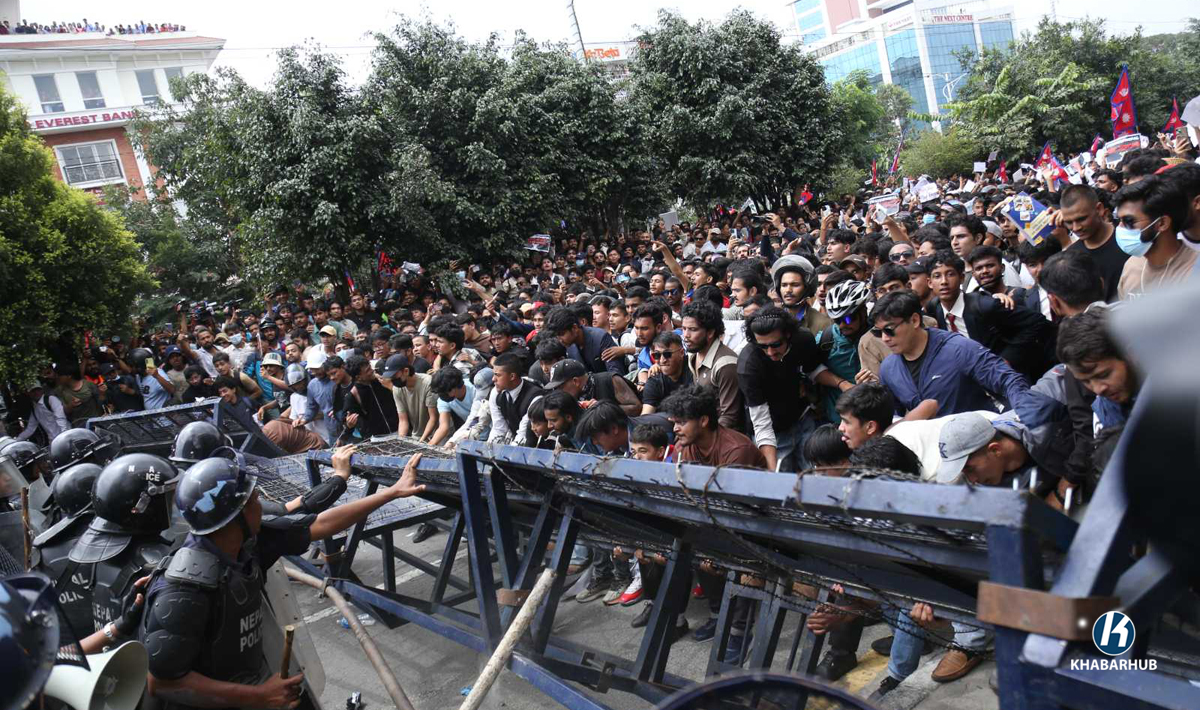
Despite previously being known for institutional objectives rather than political activism, Gurung maintained unusually high-level contact with Nepal’s security leadership during the two-day protest. The report shows that on September 9, he called IGP Chandra Kuber Khapung 42 times, Deputy IGP Bishwa Adhikari twice, DIG Om Rana 53 times across both days, IGP Dan Bahadur Karki 14 times, and DSP Sundar Tiwari four times. He also contacted Armed Police Inspector General Raju Aryal six times, Chief District Officer of Kathmandu Chabi Rijal four times, former PM KP Sharma Oli’s private secretary Rajesh Bajracharya once, and AIGP Siddhibikram Shah 30 times.
The commission listed the number of calls by senior officials but did not clarify the content of these communications, leaving questions about Gurung’s actual influence and coordination role.
An Indian analyst suggested in a podcast that intelligence agencies planned similar youth-led movements in Bangladesh and Nepal, noting systematic involvement in the orchestration of protests. He also alleged that some governments acted to counter prior foreign influence, linking the timing of protests in Nepal to geopolitical interests.
Silence in the inquiry report
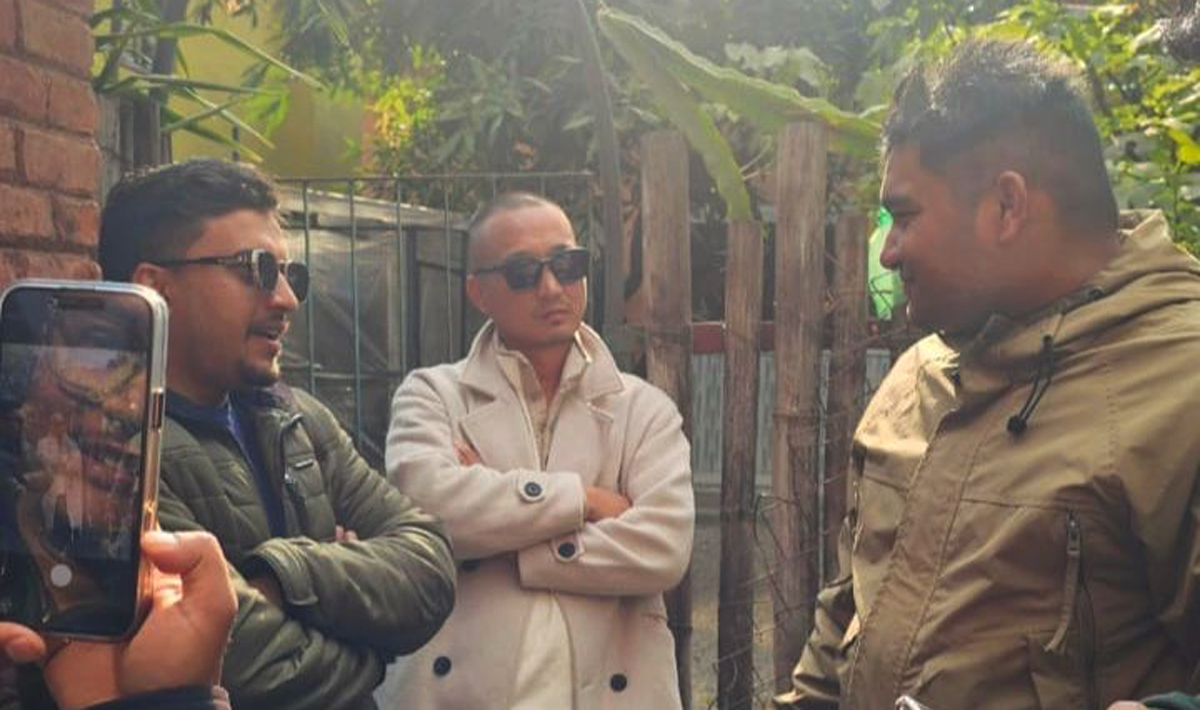
Gurung, not previously recognized as a youth activist, had obtained official permission for the demonstration on behalf of Hami Nepal. However, the report does not explain why Kathmandu authorities allowed his organization to lead the protest, nor does it address concerns raised by local officials and party leaders about the coordination and planning of anarchic activities during the Gen-Z movement.
The commission recommended actions against the former Prime Minister, Home Minister, and top police officials, as well as targeting the Tibetan-Origin Blood (TOB) group alleged to have incited unrest. Yet, it fails to detail who planned the transport of participants, how petrol bombs and incendiary materials were prepared on September 9, and who led these operations.
This absence of concrete investigation into Gurung’s network and the operational logistics of the movement has led to suspicions that the report may not fully serve the purpose of legally establishing accountability or revealing the full reality of the Gen-Z protest.



Comment