




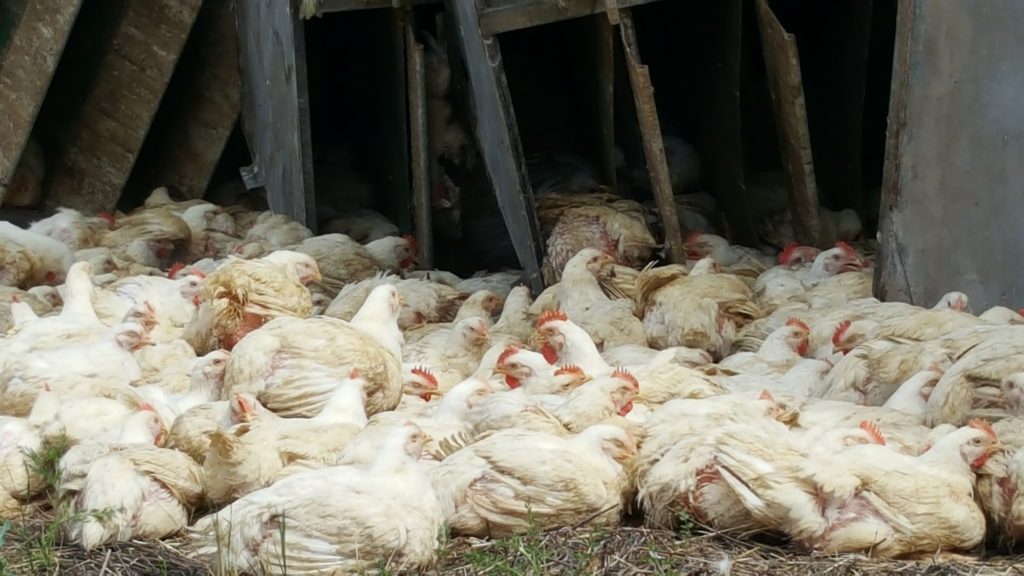
KATHMANDU: Bird flu (avian influenza) has spread to 11 districts across Nepal, prompting authorities to cull more than 569,000 chickens and destroy hundreds of thousands of eggs in an effort to contain the outbreak.
According to the Department of Livestock Services, bird flu infections have been confirmed in Jhapa, Sunsari, Morang, Bara, Mahottari, Chitwan, Nawalparasi, Kathmandu, Bhaktapur, Lalitpur and Kavrepalanchok.
As part of containment measures, authorities have so far destroyed 569,858 chickens, 989,313 eggs and 195,485 kilograms of poultry feed.
Laboratory tests have detected the presence of H5N1 and H9N2 avian influenza viruses, as well as the Newcastle disease virus. Despite the spread, the department claims it has successfully brought the outbreak under control in Koshi Province over the past month.
Is chicken safe to eat?
The outbreak has raised concerns among consumers about whether chicken meat and eggs remain safe for consumption.
Addressing these concerns, veterinary officer Dr. Mukul Upadhyay of the Department of Livestock Services said there is no evidence anywhere in the world that bird flu can be transmitted through properly cooked chicken meat.
“Consuming chicken that has been thoroughly cooked or boiled does not pose a risk of bird flu infection,” Dr. Upadhyay said. “There is no health risk from eating meat from healthy poultry, so consumers do not need to panic unnecessarily.”
He added that poultry from infected farms is prevented from entering the market. “As soon as infection is confirmed, all birds on the affected farm are culled. Therefore, infected poultry is highly unlikely to reach consumers,” he said.
Government steps up containment efforts
The government has intensified efforts to prevent further spread of the disease in coordination with district administration offices, local governments and provincial authorities.
According to the department, all poultry in infected farms are being immediately culled and disposed of safely. Laboratories are operating even on public holidays to expand testing capacity, while surveillance has been increased at border points and quarantine facilities.
Authorities have also tightened restrictions on the transportation of poultry, eggs and feed. In addition, a special campaign is being conducted in coordination with security agencies to curb the illegal trade and distribution of birds and poultry products.
Farmers urged to strengthen biosecurity
The Department of Livestock Services has urged poultry farmers to strictly implement biosecurity measures at farms.
Farmers have been advised to exercise caution when handling infected or suspected birds, avoid dumping dead poultry in open areas, and immediately report unusual illness or deaths among poultry to the nearest livestock service office.
Experts say that alongside government intervention, vigilance from farmers and the public is equally important in controlling the outbreak.
The department has emphasized that relying on scientifically verified information rather than rumors or fear, while following necessary precautions, remains the most effective way to prevent the spread of bird flu.





Comment