





KATHMANDU: The political map of Nepal has undergone a major shift following the House of Representatives elections held on March 5. With the Rastriya Swatantra Party (RSP) winning a clear majority in Parliament, a new government under the leadership of Balendra Shah (Balen) is expected to be formed in the coming days.
RSP, which rose to prominence during the Gen-Z movement on September 8 and 9, 2025, with slogans such as “Set Things Right” and “No, Not Again,” is now preparing to assume state power. Amid this transition, a critical question has emerged: what will be the fate of political appointees made by previous governments led by KP Sharma Oli and Sher Bahadur Deuba?
According to unofficial estimates, over 1,000 political appointments were made across various constitutional bodies, regulatory authorities, committees, and state institutions. Observers are now questioning whether these appointees will resign voluntarily to support the new government, or if they will retain their positions and challenge removal attempts legally.
Most of these appointments were made under quotas or influence of the Nepali Congress, UML, and Maoist parties. While political appointments have long been a standard practice in Nepal, experts suggest that these appointees could act as speed breakers for the Balen government, which is set to be the new administration with the largest electoral mandate in Nepal’s history.
Ethics or legal standpoint?
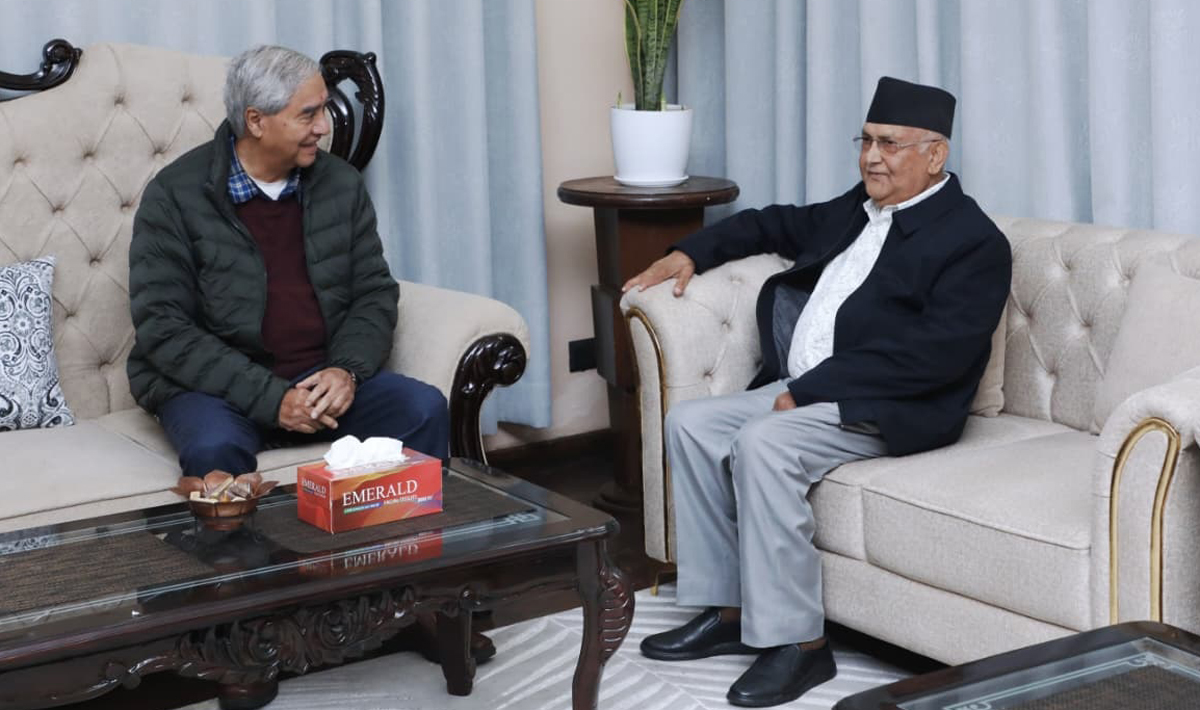
In some countries, political appointees voluntarily step down after a new government comes to power, facilitating a smooth transition. In Nepal, however, those appointed through constitutional or legal processes often challenge any removal in court instead of resigning voluntarily.
From a legal perspective, political appointees working in state institutions are not required to resign simply because a new government has been elected. Historically, transitions in government have sometimes led to conflicts between regulators and the administration. While governments have occasionally succeeded in removing previous appointees, courts have also overturned such decisions. As a result, many observers believe that political appointees may not resign easily, even with the new Balen-led government.
How the Balen govt could handle the situation
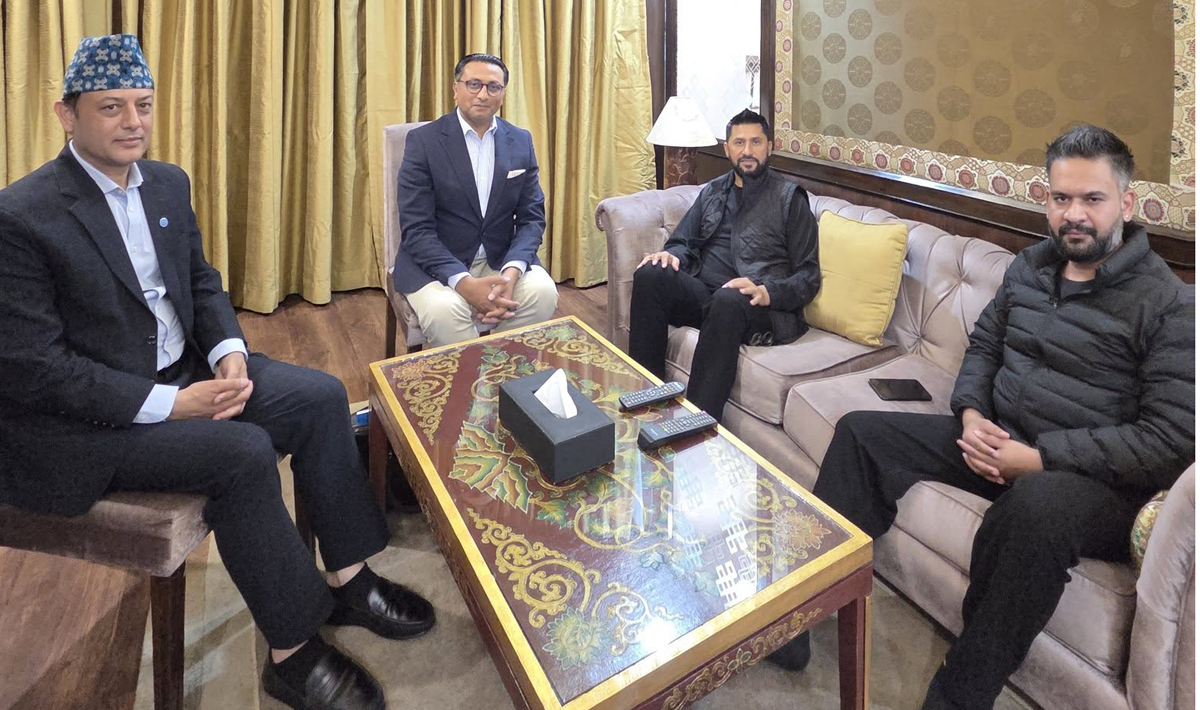
On March 19, four senior RSP leaders, Rabi Lamichhane, Balendra Shah, DP Aryal, and Dr. Swarnim Wagle, held discussions at Hotel Royal Singhi, Kathmandu, regarding the formation of the new government. They also discussed the status of political appointments made by previous administrations.
The leaders reportedly agreed that individuals appointed under Nepali Congress, UML, and Maoist quotas should step aside voluntarily. They stated that the new electoral mandate requires these appointees to leave office to make governance smoother for the incoming administration.
Dr. Wagle confirmed that internal preparations for the new government had already begun following the meeting. The Parliament Secretariat has scheduled the swearing-in of all MPs for March 26, and Balen is expected to assume the Prime Minister’s office on March 28.
RSP has promised to depoliticize state institutions and legally end the long-standing practice of party-affiliated appointments in government agencies, including schools and other offices.
Former Secretary Krishna Hari Banskota said the new government, with a clear parliamentary majority, can legally restructure state bodies and appoint qualified personnel based on merit, inclusivity, and competence.
“The government now has a full majority; it can issue ordinances or pass new laws in just a few days. When I was Finance Secretary, I drafted the Asset Cleansing Act in 27 days to save the country from the gray list. If Balenji wants, a new law can be passed in Parliament in 27 days,” Banskota said.
He added that with positive political will and adherence to legal processes, the government can make smooth transitions in state institutions, allowing current officials to compete for their positions through merit-based procedures.
Banskota also cited Peru’s customs reforms, where 25% of competent existing employees were reappointed after a competitive evaluation, as a model that could be replicated in Nepal.






Comment