




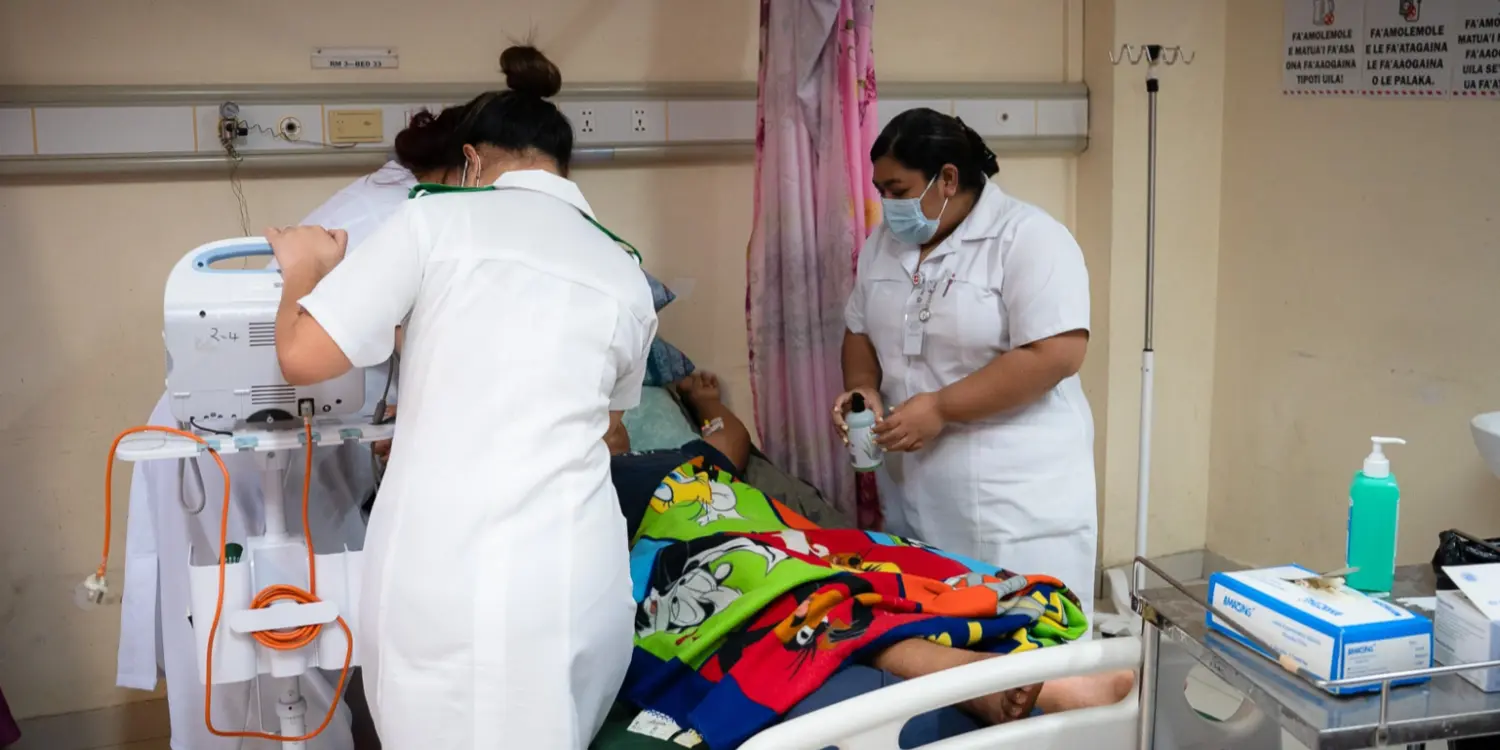
KATHMANDU: The government’s implementation of a two-day weekend for civil servants has added further challenges to nursing service management in government hospitals operating round the clock.
Hospital administrators say nurses are becoming increasingly demotivated due to inadequate staffing, low allowances and discriminatory treatment in the workplace.
A nursing chief at a government hospital said managing duty rosters has become extremely difficult as indoor, emergency and ICU services must continue uninterrupted even during holidays.
“If we provide leave, it becomes difficult to manage shifts. If we do not, staff complain that their rights are being violated,” she said.
As she was not authorised to speak to the media, her identity has been withheld.
According to her, government hospitals are already operating with insufficient staffing. “The nurse-to-patient ratio is far below the standard. In such a situation, implementing a two-day weekend has created operational difficulties,” she said.
Disparity in allowances
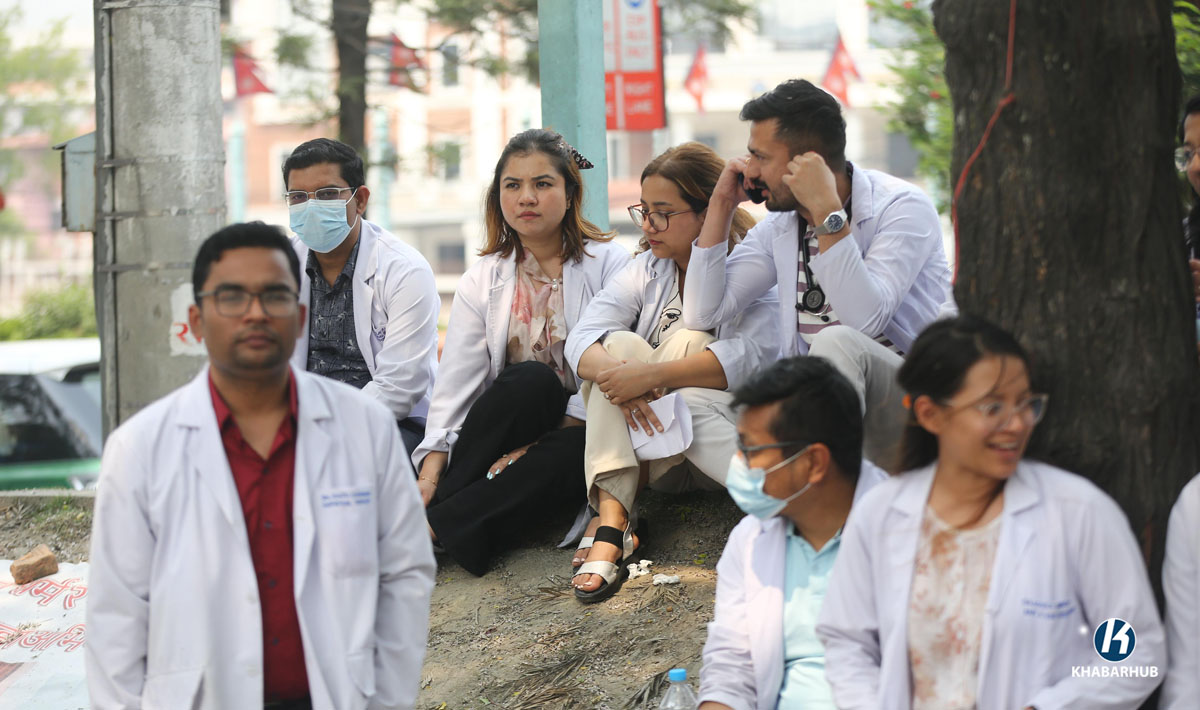
Nurses have also complained of major disparities in night-duty allowances between doctors and nursing staff.
According to the nursing chief, doctors working night shifts at the same hospital receive between Rs 550 and Rs 1,200, while nurses receive only Rs 127 for shifts lasting up to 13 hours.
“This amount cannot even cover snack expenses. Staff are not willing to work night shifts,” she said, adding that hospitals are often forced to assign night duties unwillingly due to the lack of incentives.
“How is it fair that doctors and other health workers working alongside nurses receive Rs 550 to Rs 1,200 while nurses get only Rs 127?” she questioned.
Impact on health and service quality
The nursing chief said night shifts have directly affected nurses’ physical and mental health.
“Night duty disrupts the body’s circadian rhythm. It affects sleep, mental health and physical capacity,” she said.
She warned that lack of motivation among staff could also increase the risk of treatment errors. “It is difficult to provide quality care when staff themselves are under mental stress,” she added.
Hospital administrators say the migration of experienced nurses abroad is increasing rapidly.
“Qualified and skilled nurses want to leave the country because of workload pressure, limited facilities and uncertainty about their future,” the nursing chief said.
According to her, hospitals invest in recruiting and training new nurses, only to see them leave for foreign employment shortly afterward.
Demand for better working conditions
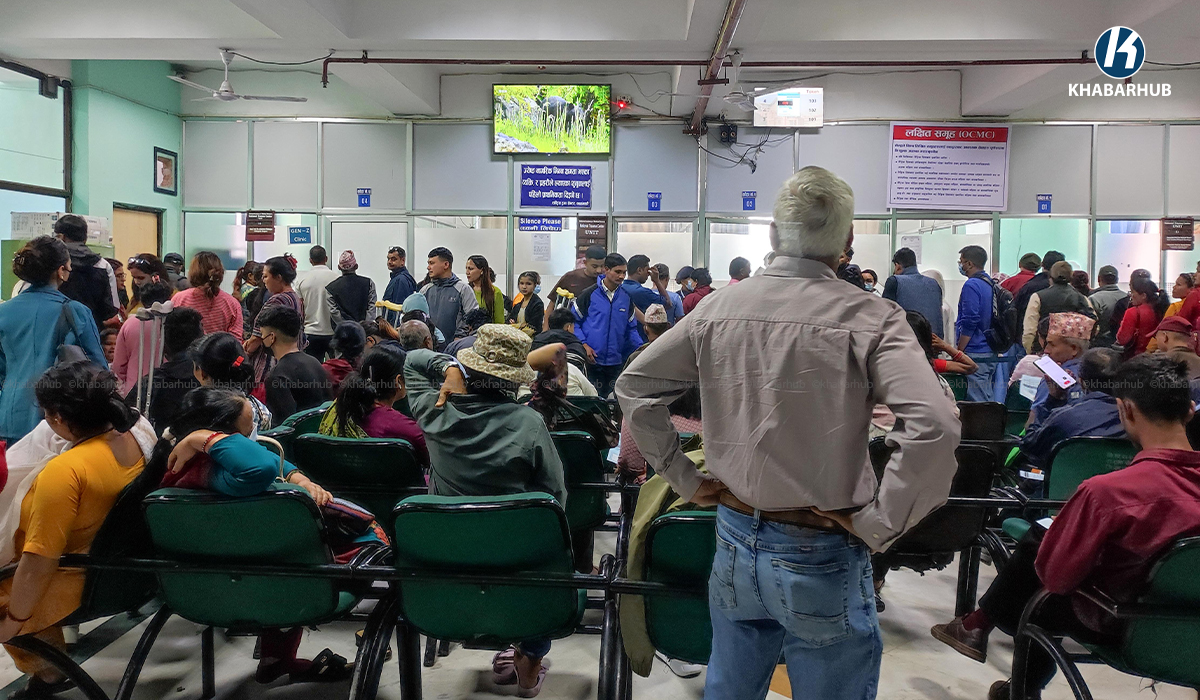
Nurses have accused the state of demanding quality healthcare services without ensuring proper working conditions and adequate manpower.
The nursing chief said the government expects “quality care” but has failed to create a supportive work environment and provide sufficient motivation to health workers.
“We nursing administrators are caught in the middle. On one hand, we must respect employees’ rights, and on the other, we cannot leave patients unattended,” she said.
Nursing administrators have suggested that the government increase staffing according to service pressure and provide additional payments for working during holidays, along with higher night-duty allowances.
Although nursing organisations have continuously raised these concerns, they say no concrete decisions have been made by the ministry or administrative authorities.
According to them, failure to take timely corrective measures could push nursing services in government hospitals into a deeper crisis.






Comment