




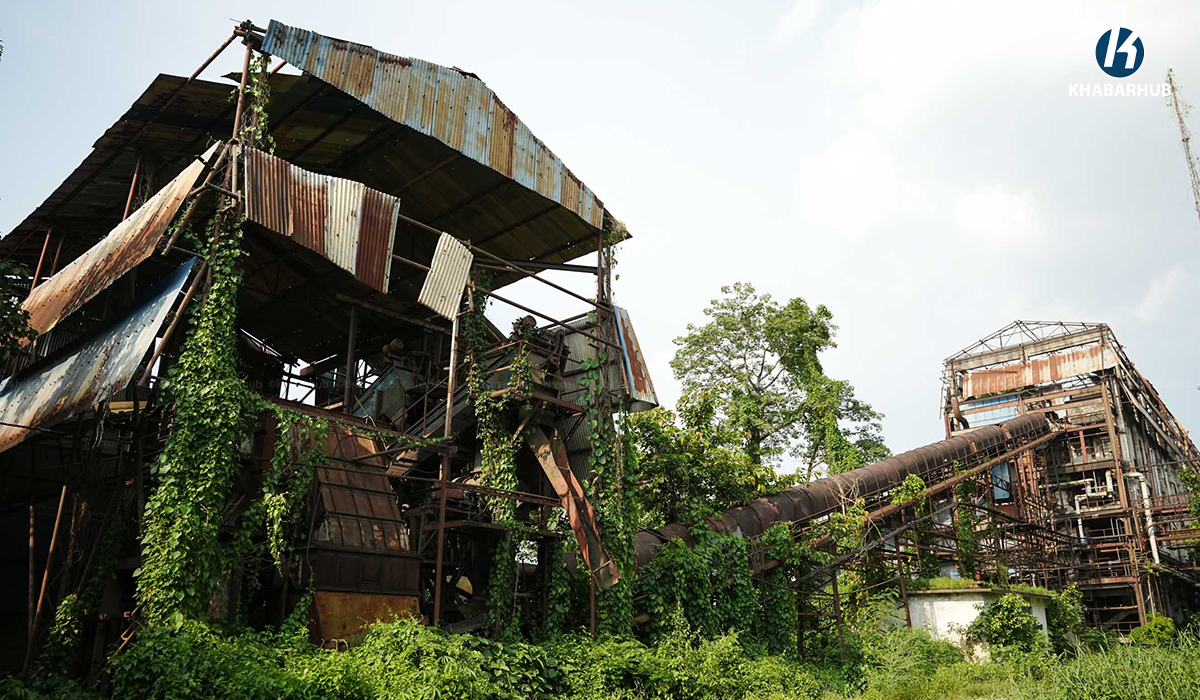
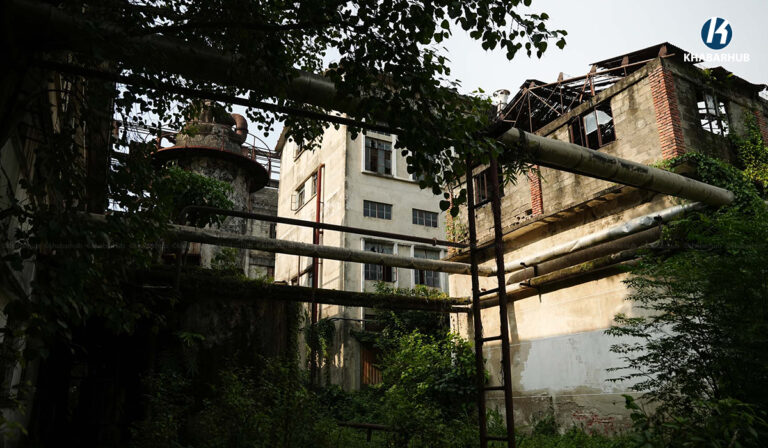
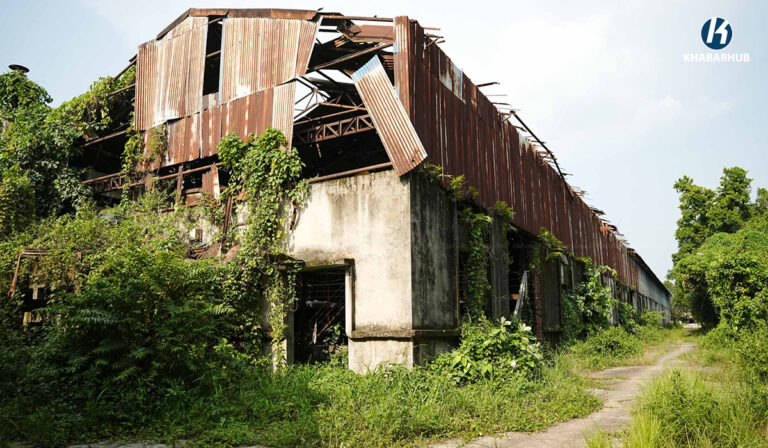
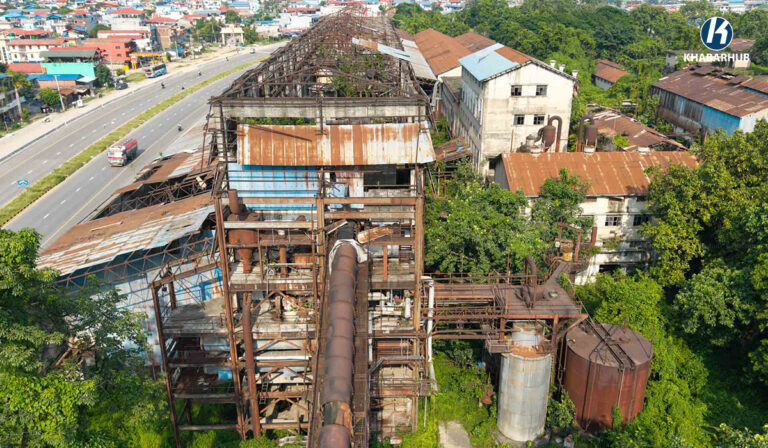
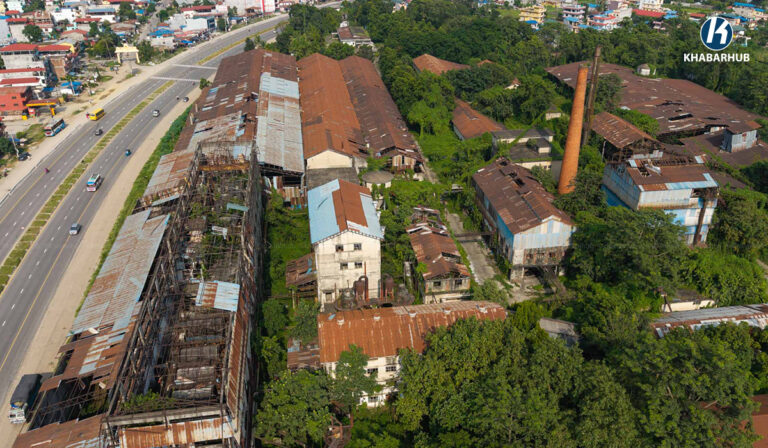
NAWALPUR: Once regarded as the backbone of Nepal’s paper industry, the Bhrikuti Paper Mill now stands abandoned, with rusting machinery and deteriorating infrastructure serving as reminders of the country’s lost industrial capacity.
Established in Gaindakot with assistance from the Chinese government, the mill was set up in 1982 and began commercial production in 1986. With a daily production capacity of around 42 metric tonnes, it supplied nearly 35 percent of Nepal’s paper demand and even exported high-quality pulp to countries including Japan.
The mill was privatized in the early 1990s under the government’s liberal economic policy and renamed Bhrikuti Pulp and Paper Limited. While privatization initially improved production and financial performance, the gains proved short-lived.
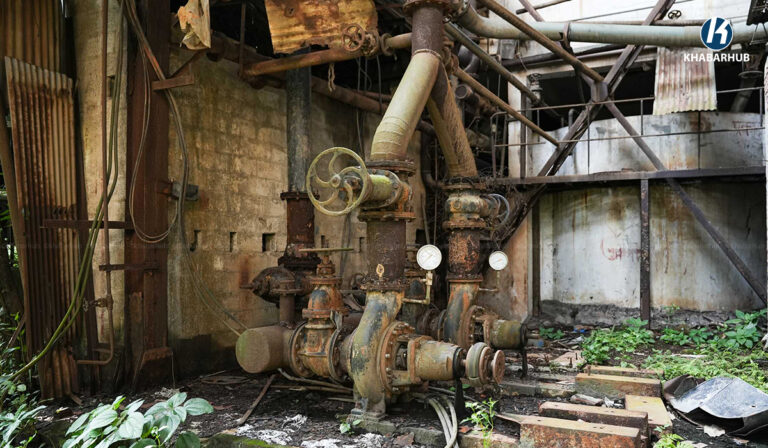
Industry experts attribute the mill’s eventual closure in February 2011 to a combination of structural, financial and managerial problems. Shortages of raw materials, rising production costs, outdated machinery, weak management, financial difficulties and the inability to compete with cheaper imported paper gradually pushed the factory into decline.
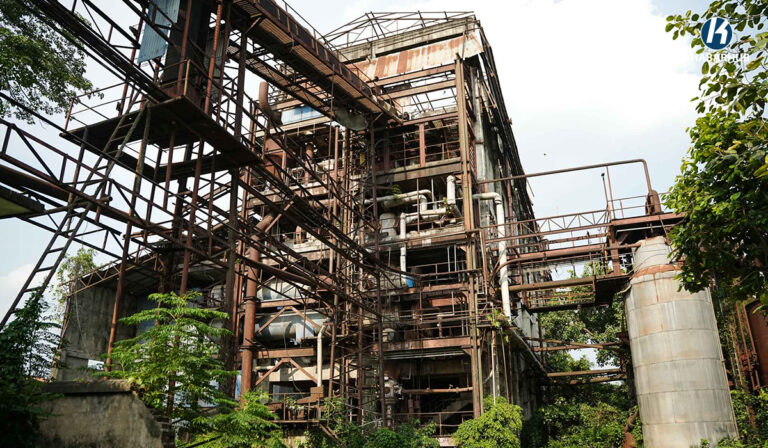
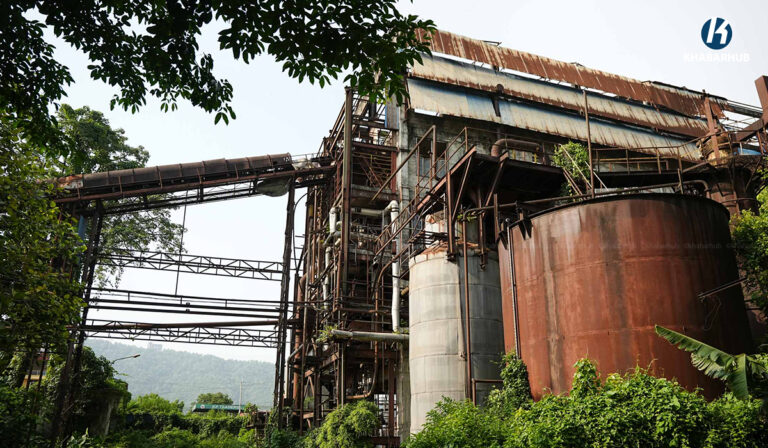
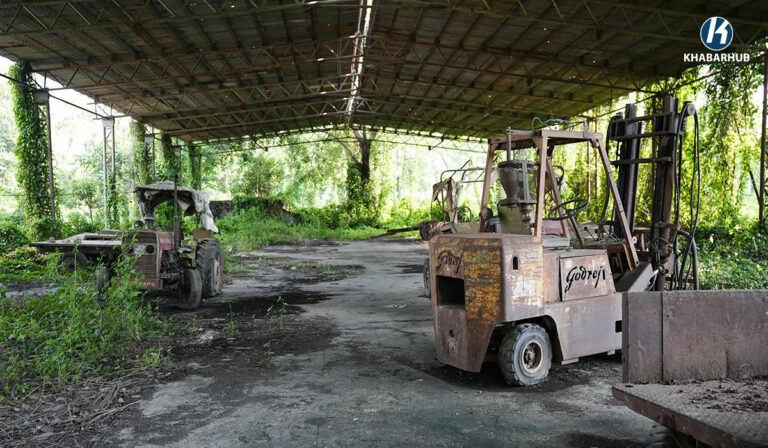
Since production ceased, the factory’s buildings, machinery and other infrastructure have fallen into disrepair. Much of the equipment has rusted beyond use, while the premises have been overgrown with vegetation. Former employees have also long complained about unpaid benefits following the closure.
Local residents and stakeholders have repeatedly urged the government either to revive the factory or repurpose the site for other industrial activities.
The closure of the Bhrikuti Paper Mill has further increased Nepal’s dependence on imported paper and paper products. Today, most paper used for printing, packaging, education, office supplies and industrial purposes is imported from countries such as India, China and Indonesia, costing the country billions of rupees annually.
At the same time, even Nepal’s traditional handmade paper industry has struggled to expand its market amid growing digitalization and changing consumer demand.
Industrial experts argue that the Bhrikuti Paper Mill remains an important part of Nepal’s industrial heritage. They say that with modern technology, sustainable raw material management and public-private partnership, the factory could once again contribute to import substitution, employment generation and the country’s manufacturing sector.
Although discussions on reviving the mill have surfaced periodically, no concrete government decision or investment process has been initiated. As a result, what was once a symbol of Nepal’s industrial self-reliance remains a neglected relic, with its revival increasingly viewed as part of the broader challenge of rebuilding the country’s productive economy.






Comment