




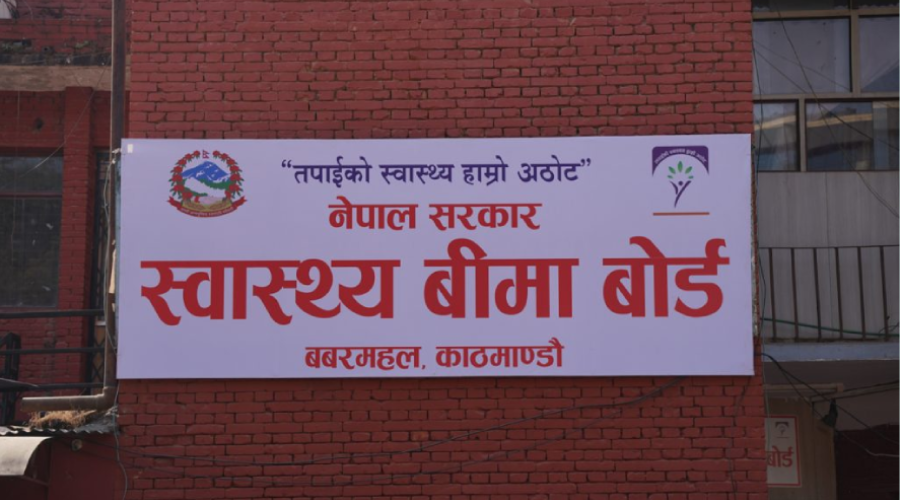
KATHMANDU: Under new rules, health insurance beneficiaries will now be able to claim up to Rs 25,000 per fiscal year for outpatient (OPD) services.
According to Bikesh Malla, Information Officer at the Health Insurance Board, any medical expenses beyond this limit can be used for hospitalization, lab tests, and emergency care. The move aims to reduce the financial burden on OPD services, which currently consume a large share of insurance funds.
The new rule is expected to come into effect from February 13. The board noted that services such as ICU and surgeries require higher coverage, and this limit will help balance insurance resources. Currently, families can enroll in health insurance by paying a premium of Rs 3,500, which covers up to Rs 100,000 in annual treatment costs for five family members. If OPD expenses exceed Rs 25,000, patients must pay the remaining cost out-of-pocket.
The board’s data shows that around 71% of insurance expenses are currently spent on OPD services, with the rest used for hospitalization and emergency care.
Limiting OPD coverage is expected to reduce misuse of health insurance. However, experts warn that raising premiums may increase the financial burden on poor families and reduce enrollment, particularly for households with sick or high-risk members who need more coverage.




Comment