




KATHMANDU: The survival of Europe’s wild pollinators is increasingly at risk, the International Union for Conservation of Nature (IUCN) said Saturday as it declared dozens of bee and butterfly species as threatened.
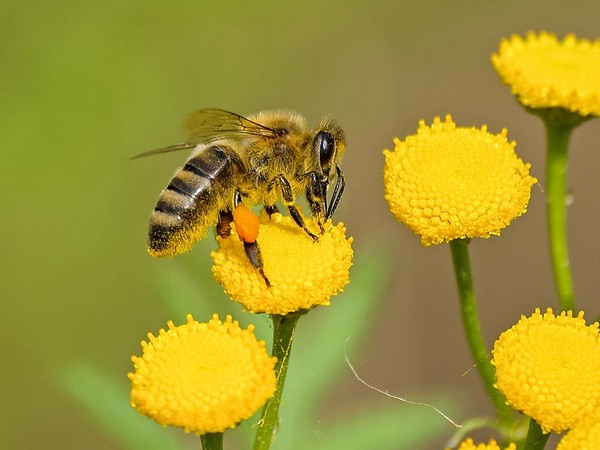
Almost all flowering plants in Europe depend on wild pollinators, particularly bees, but habitat loss and climate change were driving many vital species to the brink of extinction.
Nearly 100 additional types of wild bees have been classified as threatened in the most comprehensive evaluation of their status to date by the global authority on the state of the natural world.
At least 172 out of 1,928 assessed species of wild bees faced extinction in Europe compared to 77 in 2014, the latest update of the IUCN’s authoritative “Red List of Threatened Species” showed.
“Wild bee populations are in drastic decline and cannot be easily replaced by managed colonies,” said Denis Michez from the University of Mons, who led the wild bees research.
“If wild bees disappear, many wild plants might be at risk too — of which flower-rich meadows and beautiful orchid species are just a few examples.”
The assessment also revealed that the number of threatened European butterfly species increased by 76 percent over the last decade.
More than 40 percent of butterfly species unique to the continent, and found nowhere else in the world, were classified as threatened or close to being so.
One species — the Madeiran large white buttery, once restricted to the Portuguese island of Madeira — was now officially extinct.
“Beyond their beauty and cultural significance, pollinators like bees and butterflies are lifelines for our health, our food systems and our economies — sustaining the fruits, vegetables and seeds that nourish us,” said IUCN director general Grethel Aguilar.
Up to 90 percent of flowering plants in Europe rely on insect pollination, including four out of five crop and wildflower species.
Habitat loss remains the primary threat to European wild bees and butterflies, with farming and forestry damaging the landscapes crucial to pollinator survival like flower-rich meadows, the IUCN said.
The widespread use of fertilisers and pesticides was also reducing flower diversity and negatively impacting the viability of pollinating species, it added.
Climate change now affects just over half of all threatened species of butterflies in Europe, fanning longer droughts and intense wildfires that can erase their habitats for years.
The effect of rising temperatures on bees was mixed, the assessment said, with species adapted to the cold like bumblebees suffering while carpenter bees had flourished by comparison.





Comment