




KATHMANDU: The ruling alliance between the Nepali Congress and CPN-UML in all seven provinces is heading toward a possible breakup after NC leadership concluded that UML Chair KP Sharma Oli was not committed to implementing the coalition agreement.
Although no formal decision has been taken to end the partnership, the NC has started preparations for a new political equation by holding discussions with the Nepali Communist Party (NCP) and other smaller parties. The dispute between the two major coalition partners has already begun affecting provincial governments, with political changes underway in several provinces.
In Karnali Province, a no-confidence motion has been registered against Chief Minister Yamlal Kandel, while NC ministers have resigned from the provincial government. In Sudurpaschim Province, UML ministers have already been removed amid escalating tensions between the two parties.
NC leaders say repeated efforts to preserve the coalition failed after UML leadership showed little flexibility in implementing the seven-point agreement that formed the basis of the alliance.
NC Vice President Bishwa Prakash Sharma had informed party President Gagan Thapa that multiple rounds of discussions with UML Chair Oli failed to produce a positive outcome.
NC General Secretary Gururaj Ghimire said the party was forced to explore alternatives after concluding that the existing partnership could no longer function effectively.
“We implemented the seven-point agreement honestly, but the UML did not show the same commitment. After repeated discussions failed, we started dialogue with other parties,” Ghimire said.
According to NC leaders, signs of disagreement with UML had emerged even before the recent elections. They claim Oli maintained closer communication with former NC President Sher Bahadur Deuba rather than Gagan Thapa, creating mistrust within the NC leadership.
The UML-NC coalition was formed on July 1, 2024, based on a seven-point agreement. However, leaders from both parties now acknowledge that the alliance, which has not even completed two years, is approaching a breaking point.
Gagan-Prachanda meeting opens door for new alliance
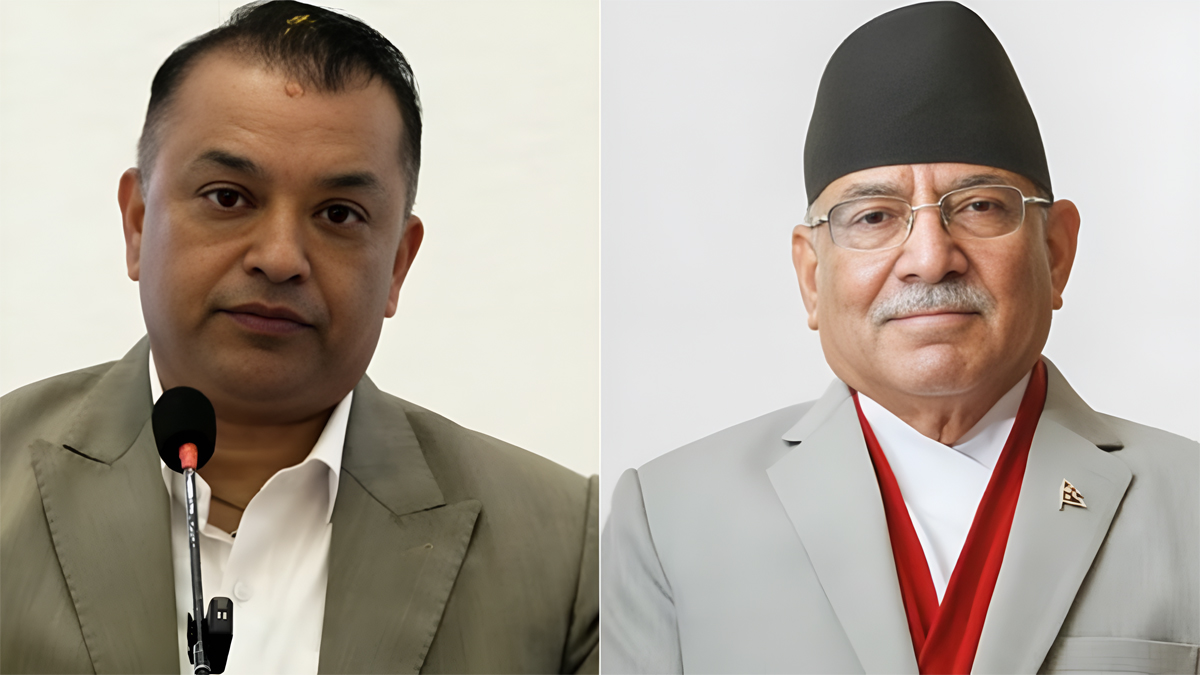
The possibility of a new political arrangement gained momentum after NC President Gagan Thapa and NCP Coordinator Pushpa Kamal Dahal ‘Prachanda’ held a meeting on Tuesday.
During the meeting, which lasted nearly two hours, the two leaders discussed possible areas of cooperation and agreed to continue dialogue on a future political partnership.
NC General Secretary Ghimire said the meeting was held after disagreements with UML intensified, particularly over provincial government issues and implementation of the coalition agreement.
“After disputes increased over issues including the Sudurpaschim budget, repeated discussions were held between NC leadership and Oli. However, no positive conclusion was reached. After that, dialogue with Prachanda began,” Ghimire said.
Prachanda’s secretariat said the two leaders had a positive discussion and that communication between them has continued through phone conversations.
Prachanda is currently on a three-day visit to Sri Lanka and is expected to return on Saturday. His return is expected to lead to a decisive round of negotiations between NC and NCP.
“Formal decisions will be made after Prachanda returns. Discussions have moved forward positively, and we are close to reaching an understanding,” his secretariat said.
Provincial governments face uncertainty
The political dispute between NC and UML has already affected provincial governments.
In Karnali, NC ministers resigned from the UML-led government after relations between the coalition partners deteriorated. A no-confidence motion has also been filed against Chief Minister Yamlal Kandel.
In Sudurpaschim, Chief Minister Kamal Bahadur Shah removed UML ministers from the government following disputes between the two parties. The provincial budget has also remained unresolved due to the political deadlock.
UML-led governments in Koshi, Lumbini and Karnali provinces are under increasing pressure, while NC-led governments in Madhesh, Bagmati, Gandaki and Sudurpaschim are preparing changes to remove UML ministers, according to sources.
NC and NCP leaders are also holding discussions on forming new provincial governments with support from smaller parties.
In Koshi Province, talks between NC and NCP leaders have already started. NCP parliamentary party leader Indra Bahadur Angbo confirmed that discussions on possible cooperation were ongoing.
New alliance likely to include smaller parties
NC and NCP leaders say smaller parties could also be included in the possible new coalition.
The parties under discussion include the Janata Samajwadi Party (JSP), Nagarik Unmukti Party, Loktantrik Samajwadi Party and other smaller forces.
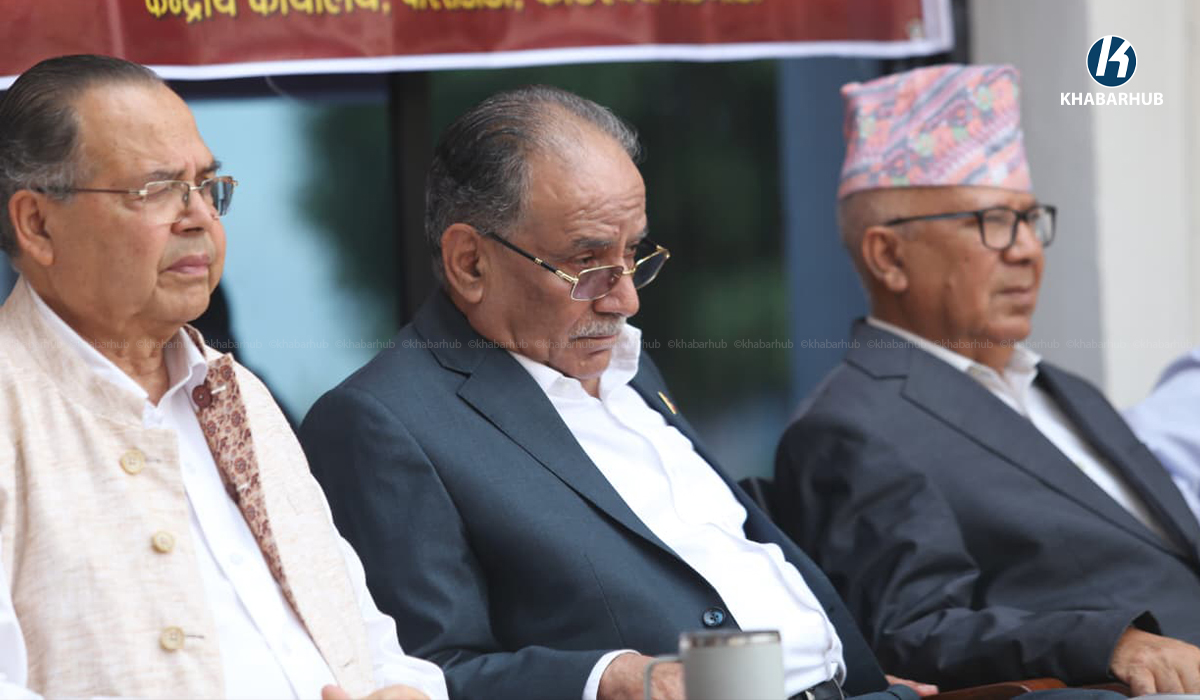
NCP Co-coordinator Madhav Nepal said discussions on cooperation were underway.
“Democratic forces need to come together. NC has also concluded that continuing cooperation with UML may not be beneficial,” Nepal said.
According to NCP sources, NC President Thapa has shown willingness to allow NCP leadership in some provinces currently controlled by UML as part of a possible power-sharing arrangement.
However, the final division of provincial leadership and government positions has not yet been decided.
NC says alliance change not only about provincial disputes
NC leaders insist that the possible change in coalition is not only due to disputes in Sudurpaschim but also because of broader disagreements over political direction and implementation of agreements.
NC Vice President Sharma said the party reached the conclusion that continuing the government while constantly fighting with coalition partners was not productive.
“There were disagreements over implementing agreements, including rotating leadership of provincial governments. Instead of running a government through conflict, we decided to change our approach,” Sharma said.
NC sources said the party also believes cooperation with UML could negatively affect its position ahead of upcoming local and provincial elections.
According to party sources, dissatisfaction toward UML leadership among the public was another factor considered during discussions about a new political strategy.
Power-sharing remains unresolved
NC and NCP leaders believe a concrete agreement could be reached by Saturday or Sunday.
Initial discussions suggest NC may seek leadership in four provinces, while NCP could receive leadership in some UML-led provinces. However, detailed negotiations over provincial governments, ministerial positions and the role of smaller parties are still pending.
A NCP leader said discussions had mainly focused on passing the Sudurpaschim budget and building trust between the two parties.
“NC has proposed passing the budget with NCP support. Prachanda is positive about it,” the leader said.
Both parties say further talks will determine which party leads which province.
Current provincial assembly position
Koshi Province
- UML: 40
- NC: 29
- NCP: 17
- Rastriya Prajatantra Party (RPP): 6
- JSP: 1
Madhesh Province
- UML: 23
- NC: 22
- NCP: 14
- JSP: 13
- Janamat Party: 16
- LSP: 9
- Others: 4
Bagmati Province
- NC: 37
- UML: 27
- NCP: 28
- RPP: 13
- Others: 5
Gandaki Province
- NC: 27
- UML: 22
- NCP: 7
- RPP: 2
- Others: 1
Lumbini Province
- UML: 29
- NC: 27
- NCP: 10
- Nagarik Unmukti Party: 4
- RPP: 4
- Others
Karnali Province
- NC: 14
- UML: 10
- NCP: 13
- Independent: 1
Sudurpaschim Province
- NC: 19
- NCP: 15
- UML: 10
- Nagarik Unmukti Party: 7
- Others
NC and NCP leaders say discussions with smaller parties will continue before a final agreement is reached. The actual strength of some parties may change due to ongoing splits and reorganizations.



Comment