




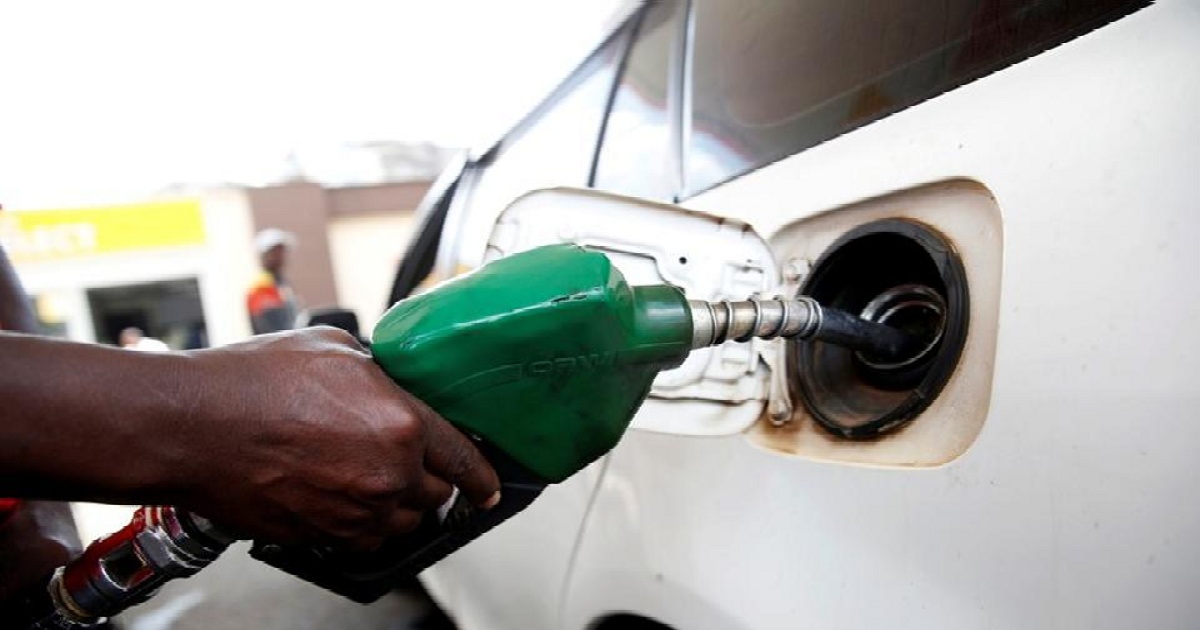
KATHMANDU: The government has implemented a new policy allowing the blending of ethanol in petrol, aiming to promote domestic industries and reduce dependence on fuel imports.
The “Order on Blending Ethanol in Petrol, 2026” issued by the Cabinet was published in the Nepal Gazette on Friday, formally bringing the policy into effect.
Under the order, Nepal Oil Corporation will be required to blend up to 10 percent ethanol in every liter of petrol, depending on availability. The Cabinet also retains the authority to increase or decrease the blending ratio if necessary.
The policy aims to promote industries based on domestic raw materials, generate employment, increase the use of agricultural and biological resources, and reduce the country’s reliance on imported energy.
Raw materials and production
The order outlines a range of raw materials that can be used for ethanol production. These include molasses, napier grass, agricultural and forest-based organic waste, straw, corn cobs, wheat husk, cassava, spoiled grains, yeast, and other necessary chemicals.
However, the policy strictly prohibits the use of edible grains meant for food consumption in ethanol production to prevent misuse of food resources.
Industries will be required to produce ethanol only from approved raw materials in accordance with existing laws. All ethanol produced must be sold exclusively to Nepal Oil Corporation, ensuring that its use remains limited to blending with petrol.
Quality and environmental standards
The order also requires industries to adopt environmentally friendly production processes and maintain strict quality standards.
Producers must conduct quality testing through their own laboratories, while Nepal Oil Corporation will test the quality of ethanol delivered by each tanker before purchasing it.
The price of ethanol will be determined before the beginning of every fiscal year based on recommendations from a government committee. If a new price is not set in time, the previous year’s rate will remain applicable. The determined price will come into effect from July 17.
Supply and transport provisions
Under the policy, Nepal Oil Corporation must sign supply agreements with ethanol-producing industries, which will be required to deliver the agreed quantity at specified locations and times.
If industries violate the terms of the agreement, compensation may be claimed in accordance with prevailing laws.
The responsibility for transporting ethanol will rest with the producers. Given that ethanol is highly flammable and absorbs water easily, the order requires strict safety standards during transportation.
The concerned ministry will prepare and enforce guidelines for safe storage, blending, and transportation.
Committee formed for pricing and incentives
The government has also formed a recommendation committee to determine ethanol prices and suggest incentives for industries.
The committee will be led by the secretary of the Ministry of Industry, Commerce and Supplies and will include representatives from the Ministry of Finance, the Ministry of Agriculture, the Department of Quality and Standards, the Nepal Academy of Science and Technology, and Nepal Oil Corporation.
The committee will recommend policies related to raw material costs, tax exemptions, industrial incentives, recognition as priority industries, tax relief on equipment imports, and subsidies for farmers and agricultural cooperatives on fertilizer, seeds, and electricity.
The government expects the policy to increase the utilization of agricultural residues and biological resources, encourage the establishment of new industries, and create employment opportunities in rural areas. However, the effectiveness of its implementation will depend on industrial capacity, availability of raw materials, and government regulation.






Comment