





KATHMANDU: When Harka Sampang was mayor of Dharan Sub-Metropolitan City, he did things differently. He carried stones from rivers, cleared canals, and personally supervised water projects that brought life to the city’s distant Kokaha streams. That hands-on approach, called ‘shramdan’ or volunteering, became the foundation of a movement that has now swept beyond the hills of Dharan to the national stage.
Sampang registered the Shram Sanskriti Party on September 28, 2025, and in just five months, it achieved national recognition. The Election Commission officially registered the party on November 2, 2025, giving it the election symbol ‘Matto’ (soil), a nod to its grassroots roots.
For nearly two decades, Sampang had been an activist in Dharan, working on water management, anti-corruption initiatives, and citizen engagement. When he won the mayoral election in 2022 as an independent with the ‘Lauro’ symbol, he transformed activism into visible action, turning public service into a political brand.
Following the Gen-Z movement in September 2025, Sampang briefly went to Kathmandu for a government post but returned to Dharan after political disagreements. He resigned as mayor on January 18 to dedicate himself fully to building the Shram Sanskriti Party.

The party’s influence quickly extended across eastern hill districts including Dhankuta, Tehrathum, Sankhuwasabha, Ilam, Panchthar, and Taplejung. Unlike conventional political rallies, Sampang’s events drew crowds exceeding 5,000 people, captivated by his direct communication, modest lifestyle, and commitment to civic engagement.
During the elections, the party’s stronghold in the hills prevented larger parties from dominating, signaling a shift in Nepalese voter sentiment toward newer, grassroots-driven alternatives. Political analysts say the rise of Shram Sanskriti reflects a growing appetite among voters for leaders who combine public service with political accountability.
In direct elections, the party won three constituencies. Sampang himself prevailed in Sunsari-1 with 34,741 votes, defeating Rastriya Swatantra Party candidate Goma Tamang, who received 27,249 votes. In Bhojpur, Dhuba Raj Rai defeated UML’s Sherdhan Rai. In Kotang, Aren Rai, a young candidate, won with 16,612 votes against CPN (UML) candidate Dev Bikram Rai, who received 12,714 votes.
The party fielded candidates in 109 of the country’s 165 constituencies.
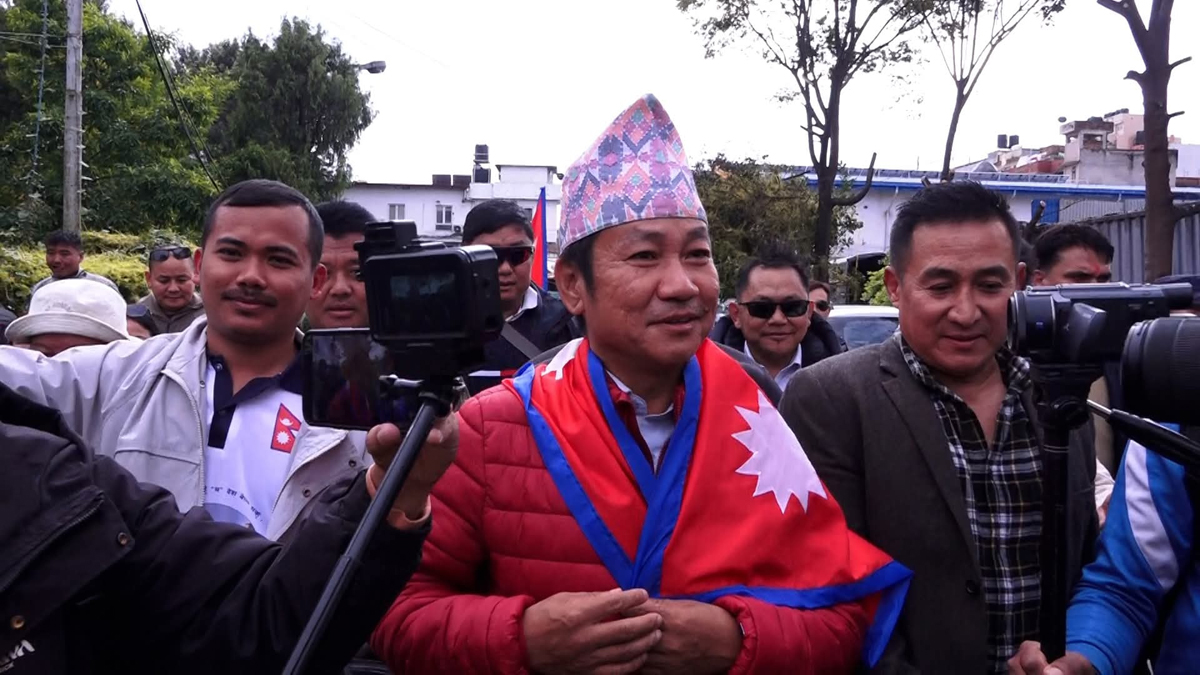
Under the proportional representation system, Shram Sanskriti received 385,748 votes (3.58 percent), earning four additional seats. Combined with three direct seats, the party now holds seven seats in parliament, making it the fifth-largest party in the House of Representatives.
Within just four months, the party’s rapid rise, youth leadership, and focus on citizen participation have positioned it as a formidable new force in Nepal’s political landscape. Sampang now aims to expand the framework of local labor and community engagement to the national stage, bringing his philosophy of Shramdan from Dharan’s rivers and streets to the halls of parliament.





Comment