




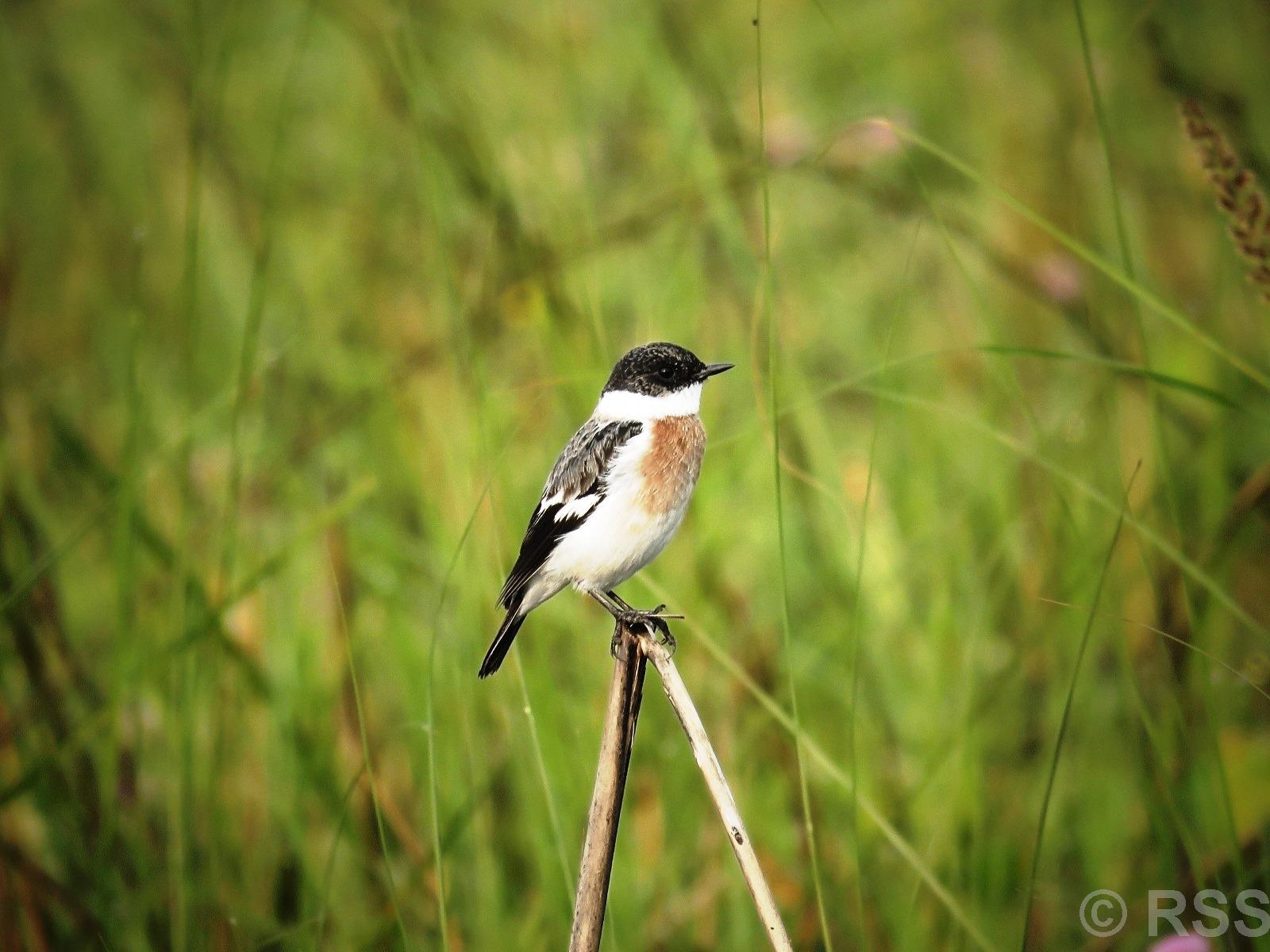
KANCHANPUR: Shuklaphanta National Park, with its lush green fields, dense forests, and wetlands, is famous not only for tigers, rhinos, and buffaloes but also for its remarkable bird diversity. The park is home to 465 bird species, including 19 that are considered rare worldwide.
Among these rare birds are species such as the little tit, stork, black-footed eagle, various vultures including the black-footed vulture and small brown vulture, golden vulture, witch’s eagle, critically endangered falcons, white-throated pheasant, and several others.
According to Hirulal Dagaura, an ornithologist with the Bird Conservation Society of Nepal (BCN), the most endangered among these is the Great Indian Bustard, a bird that inhabits grasslands and is closely associated with Shuklaphanta’s identity. Its population in the park is very low.
The golden cannon bird, unique to Shuklaphanta, can be spotted in grassland areas such as Lalpani, Mohanpur, and Singhpur. This bird nests in thorny trees near wetlands and grasslands, with dozens of nests sometimes found in a single tree.
Migratory birds like white-throated pheasants visit during winter, while storks frequent the lakes. Various vultures also inhabit the park.
Shuklaphanta is home to eight species of vultures, four of which—sable vulture, lesser grey vulture, golden vulture, and white vulture—are critically endangered.
While the population of sable vultures has slightly increased, numbers of the other species remain very low, according to Dagaura. All vulture species here are listed on the International Union for Conservation of Nature (IUCN) Red List.
The park is also a key destination for migratory birds in winter. Rare waterfowl, such as the black-headed duck, visit the park’s ponds during this season.
A recent survey by the Bird Conservation Society of Nepal recorded about 5,882 waterfowl in Shuklaphanta and its surrounding wetlands. With its abundant birdlife during winter, the park has become a popular spot for bird watchers.
Covering 305 square kilometers, Shuklaphanta is 71 percent forested, with over 80 percent of that forest comprised of sal trees. These forests and grasslands provide vital habitats for the park’s rich avian diversity.






Comment