



I served as the President of the Federation of Nepalese Chambers of Commerce and Industry (FNCCI) from 2001 to 2003 BS. Even back then, the image of industrialists and entrepreneurs was deteriorating due to rising concerns over corruption and lack of good governance.
In response, we established the Corporate Ethics Forum to improve this perception. That initiative brought some progress—starting with the formulation of a business code of conduct.
However, in recent times, the FNCCI has not been able to function effectively or exert pressure when needed, even when it finds itself closely aligned with the state. As former presidents, we have observed significant shortcomings in the organization’s performance.
There may be many reasons for this, but one major factor is the increasing politicization of the Federation.
According to the FNCCI statute, there used to be a Chamber of Commerce and Industry in all 75 districts. The votes of these district chambers are decisive in electing the president and office bearers of the federation.
Most presidents of district chambers are aligned with political parties—Nepali Congress, CPN-UML, Maoist, RPP, and others. To win, presidential candidates seek blessings from political leaders, just as candidates in parliamentary elections do. Large sums—sometimes crores of rupees—are spent on these campaigns.
Under such circumstances, how can those elected to lead the FNCCI speak independently or negotiate strongly with the government?
A widening trust gap
Despite repeated efforts, the government has failed to act on many of the suggestions we have provided. In fact, it has often ignored them altogether. This reflects a serious trust deficit between the government and the private sector.
Over a dozen multinational companies currently operate in Nepal. We brought Unilever to Nepal before the liberalization of the market economy—even when licenses were required to establish industries. It took us two years just to secure Unilever’s license. Despite the challenges, we succeeded in bringing them in. Since then, many other multinational companies have entered Nepal.
During KP Sharma Oli’s tenure as Prime Minister, the Industry and Trade Promotion Dialogue Council was formed, and I was appointed as the coordinator representing multinational companies. I took the responsibility seriously. We held multiple meetings, identified challenges, and submitted concrete suggestions. Yet, nothing was implemented.
Later, I was appointed to the Council again. This time, representatives of multinational companies started questioning the value of attending meetings where recommendations were ignored. Eventually, I stopped participating.
If Nepal wants to attract more foreign investment, we must create better policies for multinational companies and enhance local capacity. But fundamental issues persist. For instance, the customs duty on raw materials needed for production is still higher than on the finished products. This has never been addressed.
The private sector must reflect too
Good governance is not the responsibility of the government alone—the private sector also has weaknesses. Many private sector actors remain silent on ethical business practices. This has harmed those entrepreneurs who do operate within the rules.
Today, those who abide by good governance principles are falling behind. How can they compete fairly in such a distorted environment?
This problem is not just at the financial level but also rooted in policymaking. Policies are often tailored for specific interests, including manipulating customs rates to benefit a few. Although we discuss these issues regularly, we have not been able to take meaningful action.
At the core of the problem is the government’s unwillingness to seriously consider and implement suggestions made by the private sector. But the fault is also ours—we’ve failed to mount a strong and united response. The leadership of the private sector today lacks the organizational strength to assert itself.
Too often, proposals are handed over to ministers with fanfare—photos taken, press releases issued, and stories printed in the next day’s newspapers—and that’s the end of it. Private sector leaders now act more as individuals than as representatives of strong institutions. The result is a loss of institutional credibility and influence.
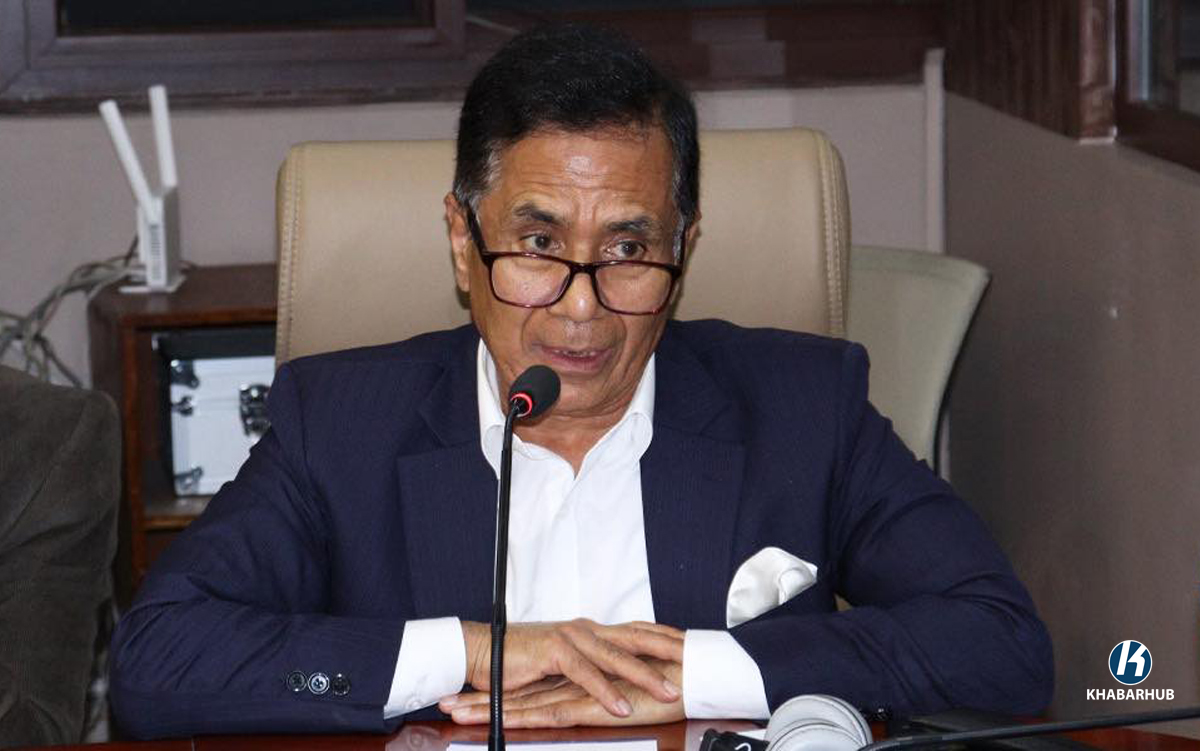
(Ravi Bhakta Shrestha is a former minister and past president of the Federation of Nepalese Chambers of Commerce and Industry. These remarks were shared during a program on good governance organized by ISSR at Durbar Marg and have been presented here in condensed form)





Comment