




KATHMANDU: Ongoing geopolitical tensions in West Asia over the past few months have started affecting Nepal’s tourism sector, with both flight disruptions and rising costs contributing to a decline in foreign arrivals.
The conflict involving the United States, Israel, and Iran has created instability in key transit hubs such as the United Arab Emirates, Qatar, and Turkey, leading to uncertainty in flight schedules and reduced passenger flow to Nepal.
According to the former president of the Nepal Association of Tour and Travel Agents (NATTA), CN Pandey, instability in transit points has made travel unpredictable, directly affecting tourist arrivals.
He said rising aviation fuel prices have pushed airfares significantly higher, while longer and more complex transit routes have discouraged potential visitors.
Data from the Nepal Tourism Board shows a slight decline in tourist arrivals in March compared to the same month last year. In 2025, Nepal welcomed 121,687 foreign tourists in March, while this yaer the number dropped to 120,516.
Although arrivals had increased in January and February this year compared to last year, the recent slowdown has raised concerns as Nepal enters its peak tourism season of March, April, and May.
Cathay Pacific Nepal Country Manager Junu Maleku said airfare hikes have directly impacted travel demand. She noted that return tickets between Nepal and Hong Kong, which earlier cost around Rs 80,000 to 85,000, have now risen to around Rs 105,000.
“Due to rising fares, only essential travellers are flying, while many are cancelling their bookings,” she said.
Board member of the Nepal Tourism Board Kumar Mani Thapaliya said increased fuel costs and airfare hikes could have long-term effects on Nepal’s tourism recovery.
He added that changes in flight routes and pricing strategies by airlines have forced travellers to consider alternative destinations.
With Nepal lacking direct air connections to Europe and the United States, uncertainty has further impacted hotel bookings, trekking packages, and adventure tourism activities.
Hotel industry stakeholders also report cancellations during the peak booking period. General Manager of Ramada Encore Kathmandu, Mahesh Phuyal, said the sector is under pressure due to rising costs and reduced tourist inflow.
“Occupancy has dropped compared to last year, and only around 50 to 60 percent of rooms are currently filled in peak season,” he said.
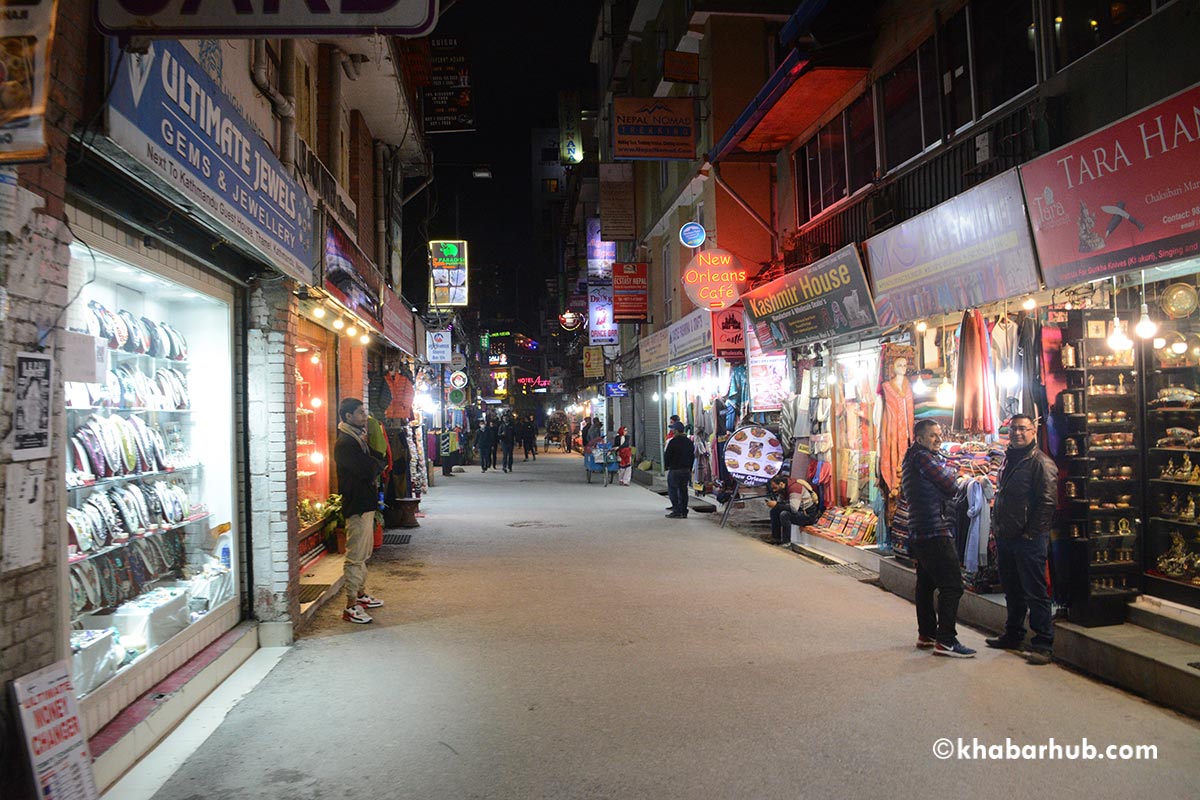
Tourism entrepreneurs in Thamel have also observed fewer foreign visitors compared to previous years, raising concerns over the sector’s short-term outlook.






Comment