




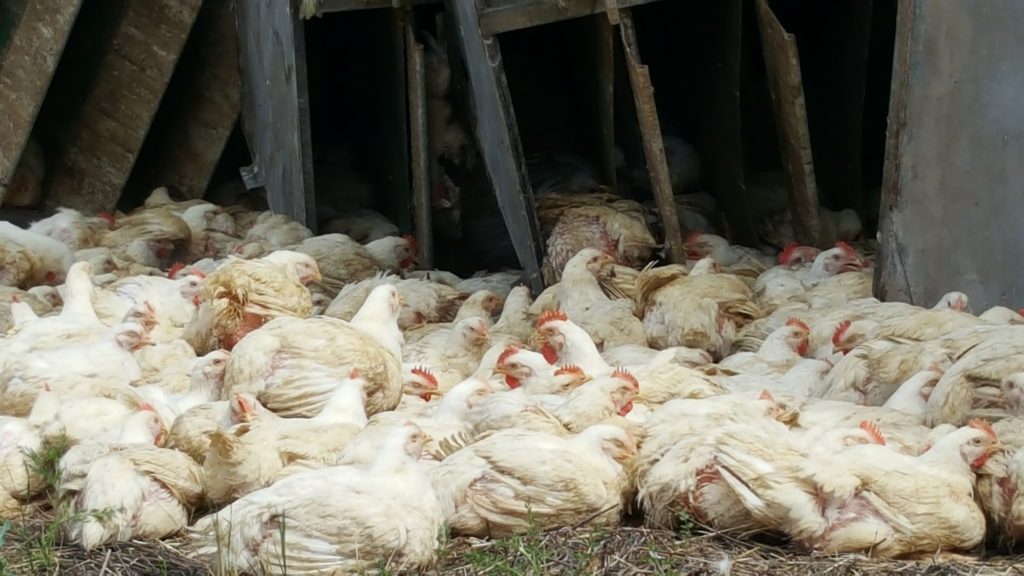
KATHMANDU: The Department of Livestock Services has mobilized technical teams to prevent the spread of avian influenza (bird flu) in the Kathmandu Valley and surrounding areas, while intensifying surveillance through regular laboratory testing.
According to the department’s Director General, Umesh Dahal, bird flu control efforts have been given top priority in Kathmandu, Bhaktapur, Lalitpur and Kavrepalanchok, where the risk of infection remains high.
He said the outbreak, which began around three months ago, has now spread to 11 districts across the country.
Bird flu has been confirmed at around 100 poultry farms, prompting authorities to cull infected birds and destroy eggs and poultry feed to contain the virus. The department has also advised affected farms not to introduce new chicks for approximately six weeks.
Confirmed cases have been reported at poultry farms in Chandragiri, Kirtipur, Tokha, Tarkeshwar, Godawari, Changunarayan and Suryabinayak, among other areas in the Kathmandu Valley.
The department noted that there is no effective treatment or widely used vaccine for bird flu in poultry, making culling the most effective method of controlling the highly contagious virus.
Director General Dahal also warned that the virus has the potential to infect humans in rare cases and urged poultry farmers and consumers to remain vigilant and follow safety measures.
A central Bird Flu Coordination Committee has been formed under the leadership of the department’s director general, while district-level coordination committees led by the respective Chief District Officers have also been established to oversee response efforts.
Department Information Officer Mukul Upadhyay said farmers whose poultry, eggs and feed are destroyed will be eligible for compensation of up to 75 percent of the assessed cost, based on rates determined by district committees after verification of losses.






Comment