




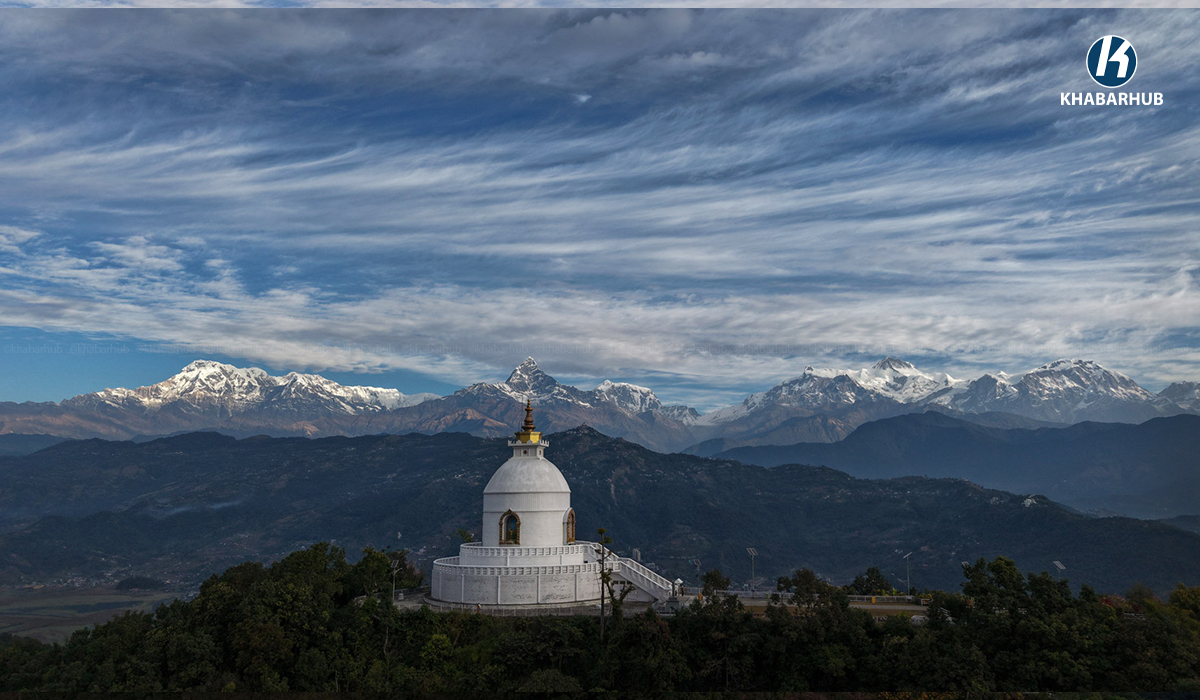
KATHMANDU: Seasonal snow in the Hindu Kush Himalaya (HKH) region has declined to historically low levels, raising serious concerns over water security, agriculture, and hydropower for nearly two billion people, according to a new report by the International Centre for Integrated Mountain Development.
The ‘HKH Snow Update 2026’ report shows that snow persistence between November 2025 and March 2026 dropped by 27.8 percent compared to the long-term average, marking the lowest level recorded in the past 24 years and continuing a trend of consecutive below-normal winters.
Seasonal snow is a critical freshwater source in the HKH region, contributing around 23 percent of total river runoff on average. Its importance is even higher in western river basins, where snowmelt accounts for a significant share of water flow—74.4 percent in the Amu Darya and 77.5 percent in the Helmand.
Lead author Sher Muhammad said the data reflects a consistent and alarming trend. “Seasonal snow is declining year after year. This is a critical turning point, with most river basins experiencing below-normal levels,” he noted.
The report finds that snow persistence has fallen below normal in 10 of the 12 major river basins in the region. The sharpest declines were recorded in the Mekong basin (down 59.5 percent) and the Tibetan Plateau (down 47.4 percent), followed by the Salween (41.8 percent), Yellow River (35.9 percent), Amu Darya (31.8 percent), and Tarim (27 percent).
Only two basins—the Ganges and Irrawaddy—recorded above-normal snow levels, at 16.3 percent and 21.8 percent respectively, though these gains are insufficient to offset the broader regional decline.
Experts warn that reduced snow accumulation will directly impact early summer water availability, particularly in snow-dependent basins. Lower snowmelt is expected to reduce river flows, intensify groundwater extraction, and heighten the risk of drought.
Farmers in key basins such as the Indus, Helmand, and Amu Darya are likely to face irrigation shortages during the planting season. Hydropower generation in major systems, including the Yangtze—home to the Three Gorges Dam—is also expected to be affected due to declining snow-fed flows.
The report further warns that consecutive years of low snowfall are limiting groundwater recharge and reducing soil moisture, compounding long-term water stress across the region.
ICIMOD has urged governments to adopt urgent, science-based measures, including drought preparedness plans, improved water storage systems, and efficient use of meltwater. It also emphasized the need to integrate real-time snow data into national water management strategies and strengthen regional cooperation.
“Without proactive planning and coordinated action, the impacts of declining snow persistence will continue to escalate,” the report cautions, calling for a shift toward forward-looking policies to safeguard water, food, and energy security in the region.




Comment