




KATHMANDU: Newly elected members of the House of Representatives are set to take the oath of office and secrecy on March 26 at 2 PM.
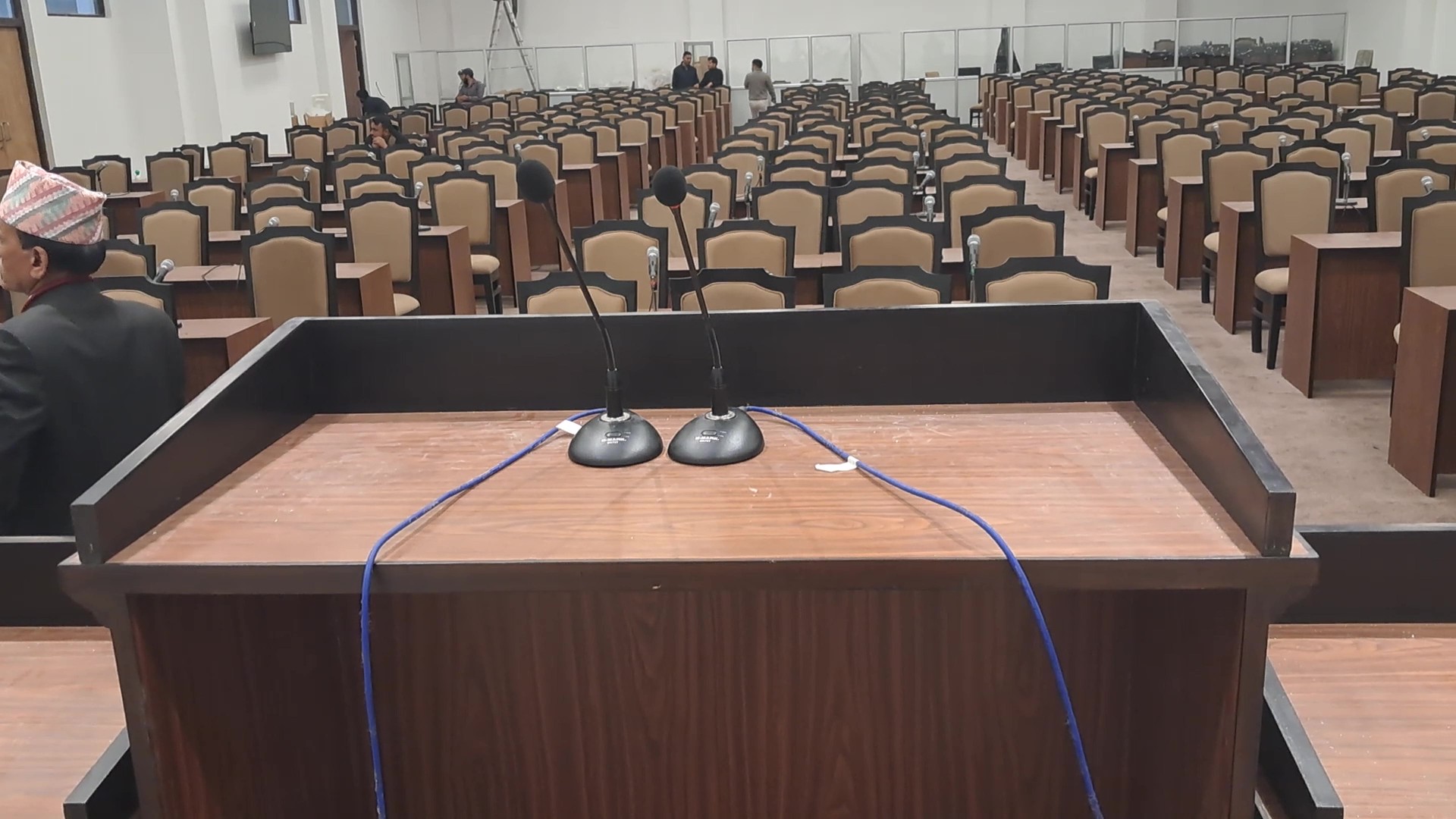
The oath-taking ceremony will be held at the multipurpose hall of the under-construction Federal Parliament Building in Singha Durbar, which has been prepared for the event.
However, the government has failed to complete the main parliamentary hall before the ceremony. According to Federal Parliament Secretariat spokesperson Ekaram Giri, the multipurpose hall has been readied for both the oath-taking and initial meeting as the main hall is still under construction.
Parliament building still incomplete
The building, whose foundation stone was laid in October 2019, is only around 90–92 percent complete even after six years. It includes facilities such as halls for both houses, VVIP rooms, and offices for the Prime Minister and President.
Initially estimated at Rs 5.67 billion, the project cost has risen to Rs 6.30 billion after multiple deadline extensions. With an additional Rs 2.34 billion allocated for furnishing and sound systems, the total cost has now reached Rs 8.64 billion.
Senior-most member to administer oath
As the senior-most member, Nepali Congress leader Arjun Narsingh KC will administer the oath to other MPs. He will first take his own oath from President Ram Chandra Poudel at Sheetal Niwas on March 25.
While he will take the oath in Nepali, the Oath Act 2022 allows lawmakers to take the oath in their mother tongues, provided they submit a certified translation in advance.
24 MPs to take oath in 11 languages
By the deadline set by the Secretariat, 24 MPs have opted to take the oath in 11 different mother tongues. The highest number, six each, will take the oath in Maithili and Nepal Bhasa.
Other languages include Doteli, Bhojpuri, Tharu, Sanskrit, Magahi, Awadhi, Bantawa, and Tamang.
Nepal is home to over 120 languages, with the 2021 census recording 124 mother tongues, while the Language Commission estimates 131. Nepali remains the most widely spoken, used as a mother tongue by about 44.9 percent of the population.
Growing practice of oath in mother tongues
The practice of taking the oath in mother tongues dates back to the Panchayat era. It gained momentum after the establishment of the republic, with hundreds of Constituent Assembly members taking oaths in multiple languages.
Oath procedures
MPs are required to attend the ceremony with necessary documents, including their election certificate, citizenship copy, and passport-sized photographs, and must appear at least two hours prior to the scheduled time in formal or traditional attire.
The Secretariat said all preparations for the oath ceremony have been completed.





Comment