




KATHMANDU: A 48-year-old man from Chandragiri, Kathmandu, died of rabies after being bitten by a small dog at his home several months ago.
The wound appeared minor, with little bleeding, and he chose not to seek vaccination, believing there was little risk because the dog belonged to him. However, the rabies virus gradually spread through his body.
He was later admitted to Shukraraj Tropical and Infectious Disease Hospital (Teku), but treatment came too late. He died on Saturday while undergoing care.
Health experts say the incident highlights a recurring public health challenge in Nepal. Although rabies vaccination is considered highly effective in preventing the disease after exposure, many people continue to neglect timely treatment due to misconceptions, lack of awareness, or underestimation of the risk.
Doctors warn that rabies is not only a medical issue but also a reflection of gaps in public awareness, health-seeking behaviour, and access to healthcare services.
Rabies: A silent killer
Infectious disease specialist Dr. Sher Bahadur Pun of Teku Hospital describes rabies as a “silent killer.”
According to Dr. Pun, the disease often receives far less public attention than it deserves, despite its almost universally fatal outcome once symptoms appear.
Health professionals believe the actual number of rabies-related deaths in Nepal may be significantly higher than official figures suggest. Data from Teku Hospital indicate that an average of 15 to 20 people die from rabies each year. However, various national and international studies estimate that the annual death toll could be closer to 100.
Experts say many cases go unreported, particularly in rural areas where access to healthcare remains limited, preventing a full understanding of the disease’s true impact.
Shortage of anti-rabies vaccines and snakebite treatment
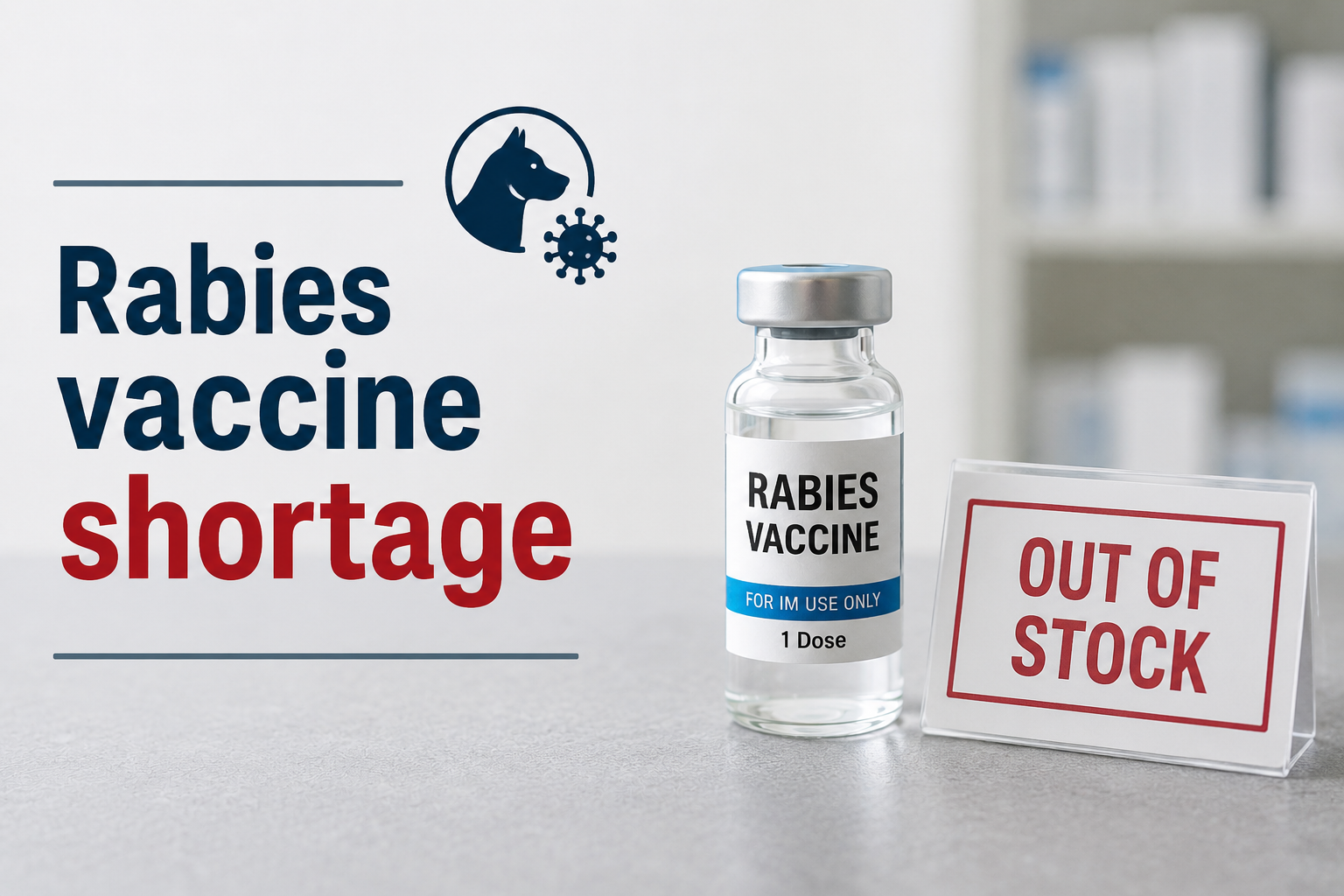
The concern comes at a time when several parts of the country are facing shortages of anti-rabies vaccines (ARV) and anti-snake venom.
With the arrival of the monsoon season, incidents of snakebites and animal bites have increased across Nepal, particularly in the Tarai-Madhesh region. However, essential life-saving medicines have become increasingly difficult to obtain.
Officials and health workers attribute the shortage largely to delays in the government procurement process.
Supply challenges have also been compounded by global inflation, disruptions linked to conflicts in West Asia, and fluctuations in foreign exchange rates, which have increased procurement costs and affected imports. As a result, vaccines are no longer available at previous prices, creating further strain on the supply chain.
The shortage has been especially acute at Teku Hospital, the country’s primary referral centre for infectious diseases, where demand for anti-rabies treatment remains consistently high.
Dr. Pun says the shortage of vaccines has further increased the risk of rabies-related deaths. In many cases, people who are unable to access vaccines at local health facilities are forced to travel to larger hospitals or other districts for treatment. However, not everyone can make the journey.
“Some face financial constraints, others are limited by geographical barriers, and many cannot leave their farms or daily work,” he said. “In such circumstances, people often postpone treatment, telling themselves they will go tomorrow or the next day. Unfortunately, these delays can prove fatal.”
Government steps up procurement efforts
According to Dr. Samir Kumar Adhikari, Joint Spokesperson for the Ministry of Health and Population, the government has completed the tender process after revising procurement rates in line with current market prices. An agreement is now being finalized to procure approximately 500,000 vials of anti-rabies vaccine (ARV).
To address the immediate shortage, Nepal has urgently imported 4,500 vials of ARV in coordination with the World Health Organization (WHO). Officials say this stock will be sufficient to meet the demand at Teku Hospital for about one month.
The ministry has also reported that more than 17,000 doses of rabies immunoglobulin and 13,200 vials of anti-snake venom are in the supply pipeline. In addition, preparations are underway to amend the Public Procurement Act to prevent similar shortages in the future.
Why do rabies deaths continue to occur?
Although anti-rabies vaccines are available free of charge at most government health facilities, experts say several social and behavioural factors continue to prevent people from seeking timely treatment.
- Underestimating minor wounds
Many people seek medical attention only when bitten by a large dog or when the injury causes heavy bleeding. Minor scratches and small bite wounds are often ignored, despite the risk of infection.
- Children hiding dog bites
Children between the ages of eight and twelve are particularly vulnerable to dog bites while playing. However, many conceal the incident out of fear of being scolded by their parents, causing critical delays in receiving vaccination.
- Reliance on traditional healers
In many rural communities, people still visit faith healers or rely on home remedies before seeking medical care. This practice often delays life-saving treatment.
- Complacency among older adults
Some elderly people dismiss the risk, believing that previous dog bites caused no harm and that vaccination is therefore unnecessary. This misconception can have deadly consequences.
- Misinformation at local pharmacies
In many parts of rural Nepal, pharmacies serve as the first point of contact for healthcare advice. According to Dr. Pun, pharmacy workers are often viewed as primary healthcare providers.
“For many people, the local pharmacy is consulted before a doctor,” he said.
However, inadequate knowledge or incorrect advice at some pharmacies can place patients at risk. Experts stress the need for regular orientation and awareness programmes for local health workers and pharmaceutical professionals.
Rabies myths and realities
Nepal has committed internationally to eliminating dog-mediated human rabies by 2030. However, recurring vaccine shortages, low public awareness, and persistent social misconceptions continue to pose significant challenges to achieving that target.
Health experts say public understanding of rabies symptoms, prevention, and first aid must improve if the country is to meet its goal.
Myth: Vaccination is useless if not taken within 24 hours
A common misconception is that a person cannot be saved if they fail to receive a rabies vaccine within 24 hours of a dog bite.
Dr. Pun rejects this belief.
“Our message is simple: get vaccinated as soon as possible,” he said. “But even if 24 hours have passed, people should not assume it is too late. Regardless of how much time has elapsed, they should immediately visit a health facility and receive appropriate treatment.”
Symptoms of rabies
Rabies is a viral disease transmitted through the saliva of an infected animal, usually through bites or scratches.
According to Dr. Pun, symptoms may include sensitivity to air movement, difficulty swallowing, fear of water (hydrophobia), agitation, restlessness, and severe pain in parts of the body.
“Once the clinical symptoms of rabies appear, there is currently no effective treatment anywhere in the world, and death is almost inevitable,” he said.
Health experts therefore advise anyone bitten by an animal to immediately wash the wound thoroughly with soap and running water for at least 15 minutes before seeking medical attention.
Dr. Pun explained that prompt washing can remove a significant amount of the virus from the wound and substantially reduce the risk of infection.




Comment