




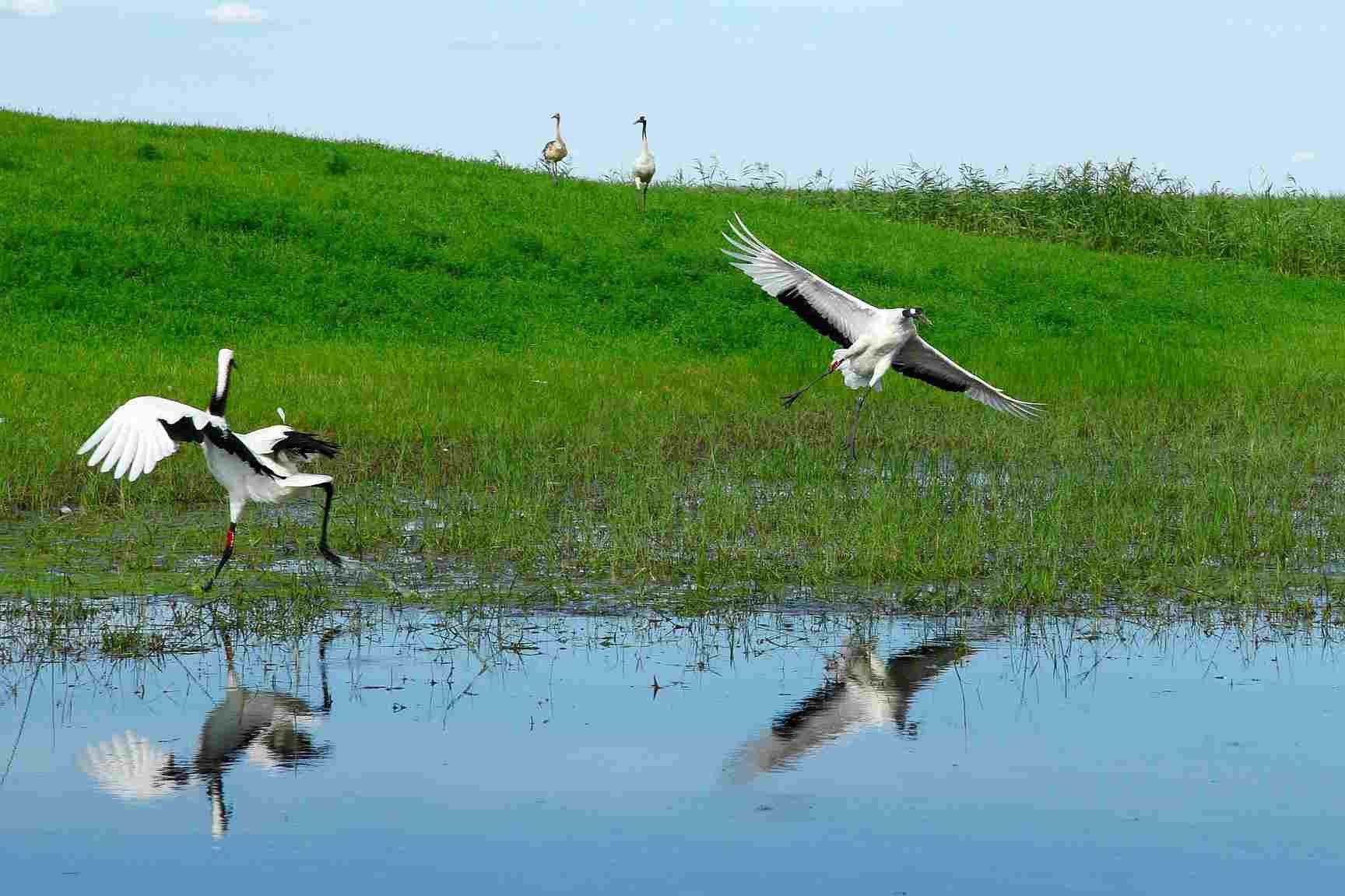
KATHMANDU: A total of 9,242 tourists visited the Koshi Tappu Wildlife Reserve during the first 11 months of the fiscal year 2025/26, according to reserve authorities.
Of the total visitors recorded through the end of Jestha, 9,070 were domestic tourists, including 4,535 women and 4,535 men.
The reserve also welcomed 25 visitors from South Asian Association for Regional Cooperation member countries, comprising three women and 22 men. In addition, 147 tourists from countries outside the SAARC region visited the reserve during the period.
Known as the “capital of wild water buffalo” and a paradise for birdwatchers, the reserve recorded its highest number of visitors in Mangsir, when 1,893 tourists toured the area. The lowest number was recorded in Asoj, with only 325 visitors.
According to reserve data, monthly visitor numbers stood at 496 in Shrawan, 547 in Bhadra, 325 in Asoj, 591 in Kartik, 642 in Poush, 1,499 in Magh, 697 in Falgun, 691 in Chaitra, 791 in Baisakh, and 1,070 in Jestha.
The reserve is particularly renowned for its population of endangered wild water buffalo, locally known as arna. Visitors can also observe a variety of wildlife, including deer, blue bulls, wild boars, monkeys, pythons, and the endangered Gangetic dolphin in the Saptakoshi River.
Koshi Tappu is home to 498 species of birds, including several globally rare species. Among them are 20 species of ducks and 114 species of waterbirds, making the reserve one of Nepal’s premier birdwatching destinations.
Reserve officials said rhino sightings have also become increasingly common in recent years, adding to the attraction for visitors.
According to the reserve administration, domestic tourists continue to make up the largest share of visitors to the protected area.




Comment