




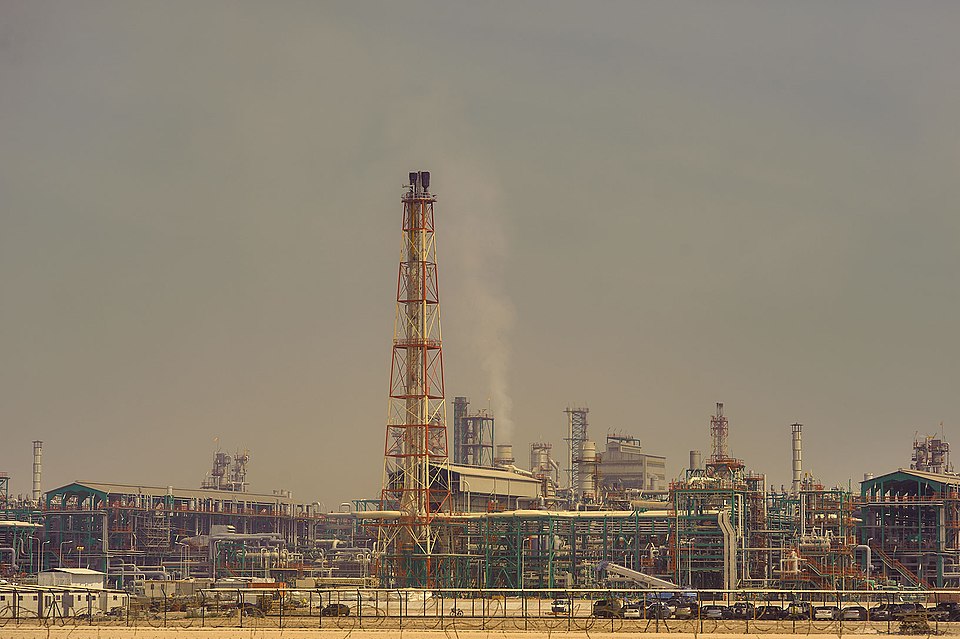
KATHMANDU: Recent attacks attributed to Iran have caused significant damage to Qatar’s gas infrastructure, disrupting a major portion of its liquefied natural gas (LNG) production and raising concerns over global energy supply.
According to QatarEnergy CEO Saad al-Kaabi, around 17 percent of the country’s LNG export capacity has been affected.
He warned that the damage could result in losses of up to $20 billion annually.
The attacks reportedly hit key facilities, including the Ras Laffan LNG complex—one of the world’s largest gas processing hubs—damaging critical infrastructure.
At least two LNG trains and one gas-to-liquids plant have been shut down, with repairs expected to take between three and five years.
Global supply concerns
The disruption is expected to impact major importers of Qatari gas, including India, China, Europe, and South Korea.
India, for instance, sources around 20 percent of its total gas requirements from Qatar.
QatarEnergy has indicated it may invoke “force majeure” on LNG supplies to countries such as Italy, Belgium, China, and South Korea—signaling its inability to fulfill contractual obligations due to extraordinary circumstances.
In addition to LNG, production of other energy products such as condensate, LPG, helium, and naphtha is also expected to decline.
Energy experts warn that the damage to the Ras Laffan complex could have far-reaching effects on global gas prices.
Anne-Sophie Corbeau of the Center on Global Energy Policy in Paris said that while a full assessment is still pending, the scale of damage suggests a prolonged recovery period.
She cited previous incidents for comparison, noting that the Freeport LNG plant in the United States remained shut for eight months after a 2022 accident, while Norway’s Snøhvit plant took about a year and a half to resume operations following a 2020 fire.
If the situation worsens, she said, the Ras Laffan facility may not return to full capacity until 2026, potentially limiting LNG supply to 2021 levels and sending shockwaves through global energy markets.
Drone strike hits Kuwait refinery
Meanwhile, a fresh drone attack was reported at the Mina Al-Ahmadi oil refinery in Kuwait on Friday morning.
According to Kuwait News Agency, parts of the refinery caught fire following the strike, forcing the shutdown of several units. No casualties have been reported.
Firefighters and emergency teams were deployed to control the blaze. The refinery—one of Kuwait’s largest—has a daily production capacity of around 454,000 barrels.
The latest strike comes a day after a similar attack targeted the same facility, adding to growing instability in the region’s energy infrastructure.






Comment