




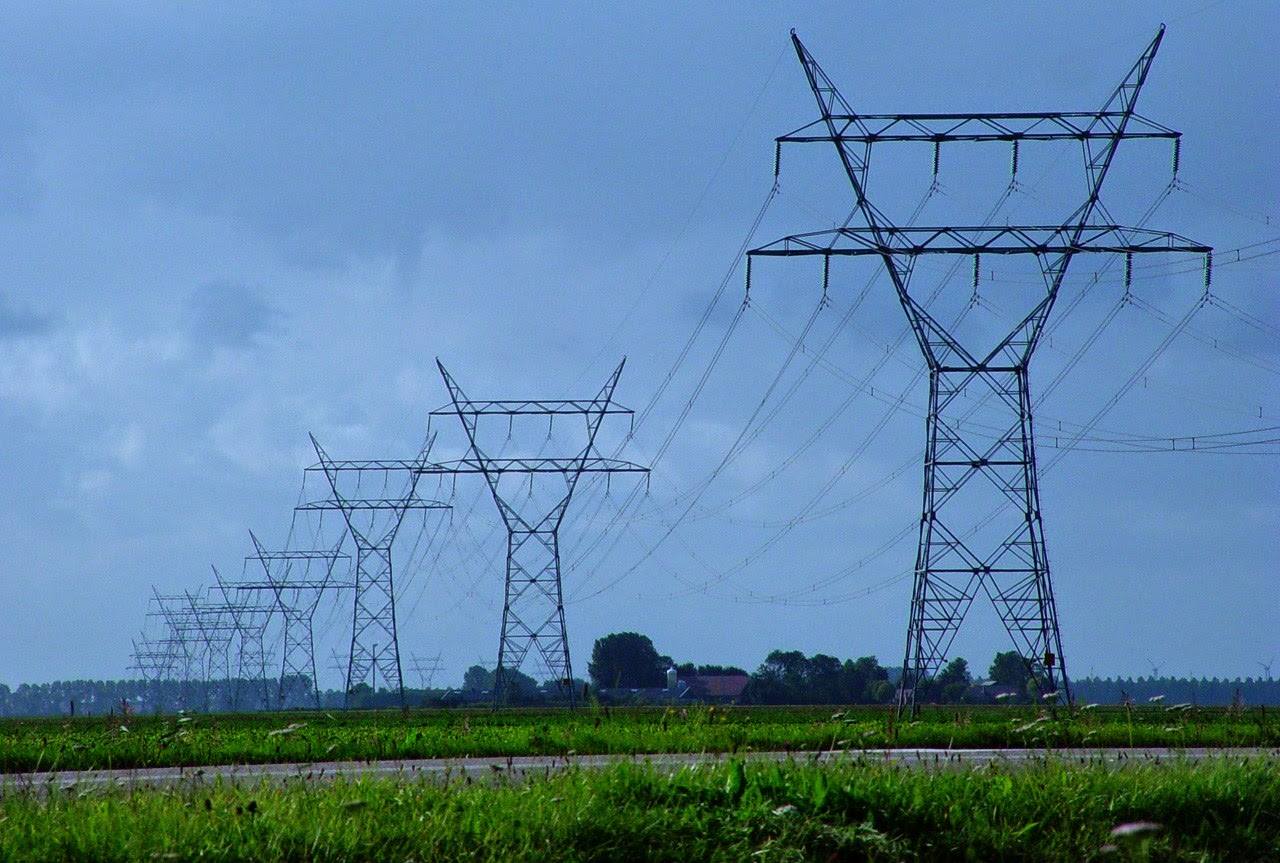
KATHMANDU: Major political parties have placed the energy sector at the center of their election manifestos, portraying it as a key driver of Nepal’s economic prosperity.
With targets set under varying timelines, parties have pledged to remove policy bottlenecks, simplify administrative procedures, and create an investment-friendly environment. Increasing domestic consumption, generating employment, and expanding energy diplomacy to access regional markets have emerged as common priorities.
The parties have also committed to ending policy complexities that currently require developers to coordinate with multiple ministries and departments, proposing one-door mechanisms to facilitate private sector investment.
Nepali Congress
The Nepali Congress has adopted the slogan “Adequate Energy: Sustainable Development,” setting a target to raise the country’s total installed electricity capacity to 14,000 megawatts within five years.
The party has pledged to increase per capita electricity consumption to 750 units, implement a policy of rising consumption with reduced tariffs, and formulate a National Energy Security Policy. It has also committed to gradually replacing petroleum products with electricity.
The NC manifesto prioritizes reservoir-based projects such as Budhigandaki and Dudhkoshi, and aims to bring an additional 10,000 megawatts, including solar energy, into the construction phase through domestic and international investment.
It has also promised legal reforms to ensure that processes related to forest clearance, land acquisition, and environmental impact assessments are completed within six months through a one-door system.
For electricity export, the party plans to enhance political and diplomatic initiatives with neighboring countries to ease cross-border trade barriers.
CPN-UML
The Communist Party of Nepal (Unified Marxist–Leninist) (UML), under the slogan “Clean Energy at Home, Green Development, Export Abroad,” has pledged to double electricity production and per capita consumption.
The party aims to develop Nepal as a clean energy export hub in South Asia, increase state investment in production and transmission, and encourage private sector participation in transmission lines and electricity trade.
UML has prioritized projects such as Upper Arun, Dudhkoshi, and Budhigandaki to ensure year-round electricity supply, including during the dry season. It has also emphasized completing irrigation-cum-hydropower projects like Sunkoshi–Marin and Bheri–Babai.
The party has pledged affordable electricity for agriculture, industry, and community electrification, along with reforms to strengthen community electricity consumer institutions.
Nepali Communist Party (NCP)
The Nepali Communist Party has set a long-term target of producing 40,000 megawatts by 2045 and increasing per capita consumption to 750 kilowatt-hours within five years.
The party has committed to adding 10,000 megawatts over the next five years and expanding electricity exports to India and Bangladesh. It has also pledged institutional reforms within the Nepal Electricity Authority and related departments to accelerate implementation.
Rastriya Swatantra Party
The Rastriya Swatantra Party (RSP) has announced an ambitious plan to produce 30,000 megawatts within the next decade.
The party has pledged to amend land, forest, and environmental laws to expedite energy development and establish a single-window service center to replace the current multi-agency approval process.
RSP has also proposed promoting pumped storage and other energy storage technologies, expanding solar power, and restructuring electricity tariffs. It aims to raise per capita consumption to 1,500 kilowatt-hours by 2035 and strengthen energy diplomacy with India and Bangladesh through short-, medium-, and long-term trade agreements.
Common agenda
Energy has emerged as a shared agenda among most parties contesting the election. Experts note that if effectively implemented, these commitments could reduce unemployment, drive industrialization, and strengthen Nepal’s economic growth.
However, some observers caution that the real test will lie in implementation, as past political instability and policy delays have hindered the sector’s full potential.




Comment