




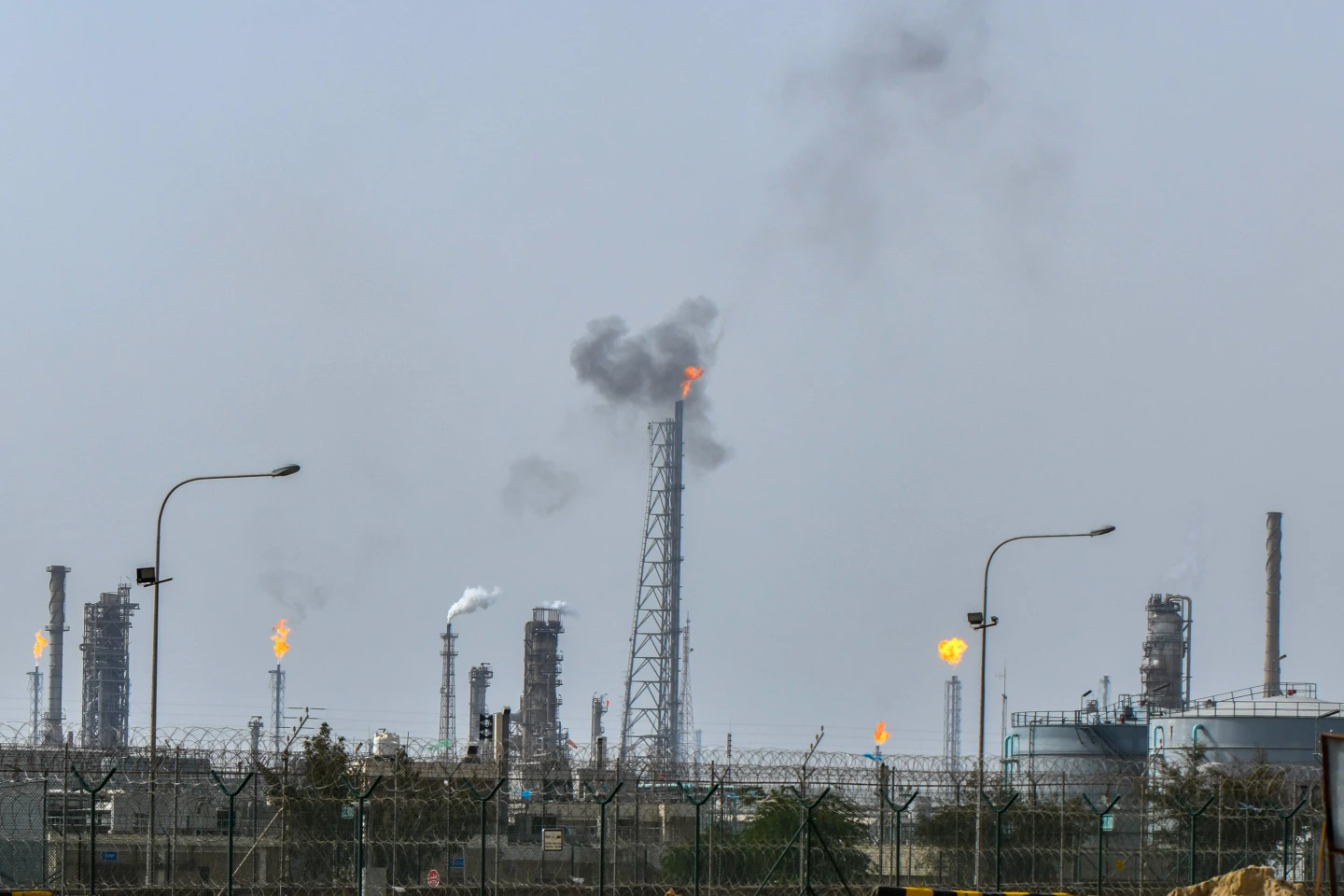
KUWAIT: An Iranian strike on Friday damaged a power and seawater desalination plant in Kuwait, disrupting one of the country’s key sources of drinking water and highlighting the vulnerability of critical infrastructure across the Gulf.
Kuwaiti authorities said the attack damaged several power generation units and triggered a fire at the facility. The blaze has since been brought under control, and emergency response measures have been activated to ensure the continuity of essential services.
The incident has renewed concerns about water security in the arid Middle East, where many countries depend heavily on desalination plants for freshwater supplies. Around 90 percent of Kuwait’s drinking water comes from desalination, compared with about 86 percent in Oman and roughly 70 percent in Saudi Arabia.
Desalination plants, most of which use reverse osmosis technology to remove salt from seawater, are concentrated along the Persian Gulf coastline. Their proximity to potential conflict zones leaves water supplies for millions of people vulnerable to missile and drone attacks.
While global attention has largely focused on the impact of the Iran conflict on energy markets and shipping through the Strait of Hormuz, experts say the region’s water infrastructure is equally exposed to disruption.
In recent months, several desalination facilities in the Gulf have reportedly been affected by the conflict. Earlier, Kuwait reported damage at the Doha West desalination plant, which officials attributed to debris from intercepted drones or attacks near a nearby port.
Iran has also accused the United States of targeting desalination facilities on Qeshm Island in March, alleging that the strikes disrupted water supplies to 30 villages. Washington has not acknowledged carrying out such an attack.
Saudi Arabia’s desalination infrastructure has also faced threats in the past, including attacks by Yemen’s Houthi rebels during periods of heightened regional tensions.
(Inputs from (AP)






Comment