




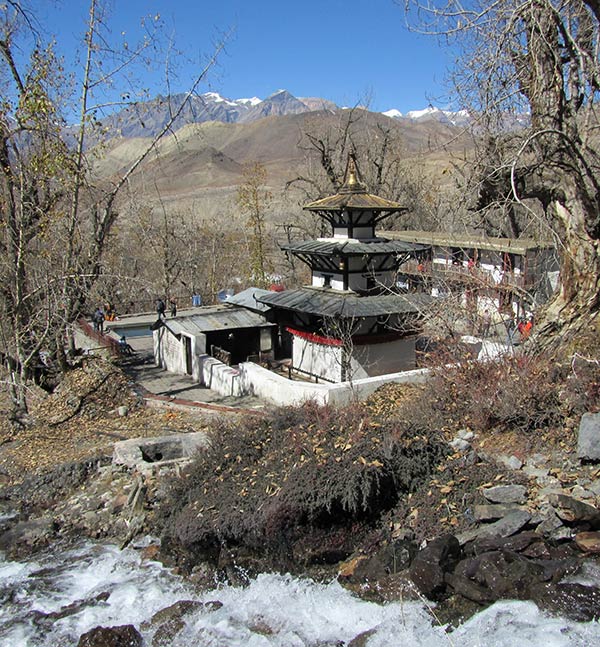
MUSTANG: A horse riding service has been reintroduced at the Muktinath Temple to assist elderly, differently-abled individuals, and pilgrims unable to climb the steep terrain to the shrine.
Locals say the revival of the nearly disappearing “horse riding” service has not only provided employment opportunities for local youth but has also helped preserve traditional horse-rearing practices linked to the region’s cultural festivals.
The service was restarted after local communities phased out motorcycle transport, which they described as risky for pilgrims traveling to the temple.
With the reintroduction of horse transport, business activity in the Muktinath Ranipauwa area has increased, while unemployed youth from surrounding villages have found direct employment.
According to local horse operator Harka Gurung, more than 100 households across four villages now own horses for pilgrimage transport services. Locals from Muktinath, Khinga, Jharokot, and Chhengur have increasingly engaged in ferrying pilgrims, generating stable income.
The service charges are set at around Rs 400 for Nepali pilgrims and INR 400 for Indian visitors for transport up to the temple gate. A separate doli (palanquin) service is also available, charging Rs 5,000 for Nepali pilgrims and INR 4,000 for Indian visitors.
The horse riding service is managed through a local committee, where all horses must report daily at 7 am before being assigned passengers. Income earned throughout the day is distributed equally among operators.
Locals say the system has created a structured livelihood model while also ensuring the protection of indigenous horse breeds that were previously at risk of decline.
Tourism entrepreneur Suraj Gurung said the service has helped balance tourism needs with cultural preservation. He noted that without such initiatives, traditional horses would have faced extinction.
Local youth leader Kaisang Thokya Thakuri added that horses remain an essential part of Himalayan festivals such as Yartung and Tiji, where their cultural importance is deeply rooted.
Residents said the revival of horse-based transport has strengthened both tourism and local heritage, while encouraging younger generations to continue horse rearing in the region.





Comment