




RASUWA: The Himalayan district of Rasuwa is blessed with remarkable natural beauty, rich biodiversity and deep-rooted religious and cultural traditions.
While popular destinations such as Gosainkunda and Parbatikunda have gained recognition among domestic and international visitors, several other scenic locations in the district remain relatively unexplored. Dilpu Kunda is one such hidden destination with considerable potential to emerge as an attractive tourism site.
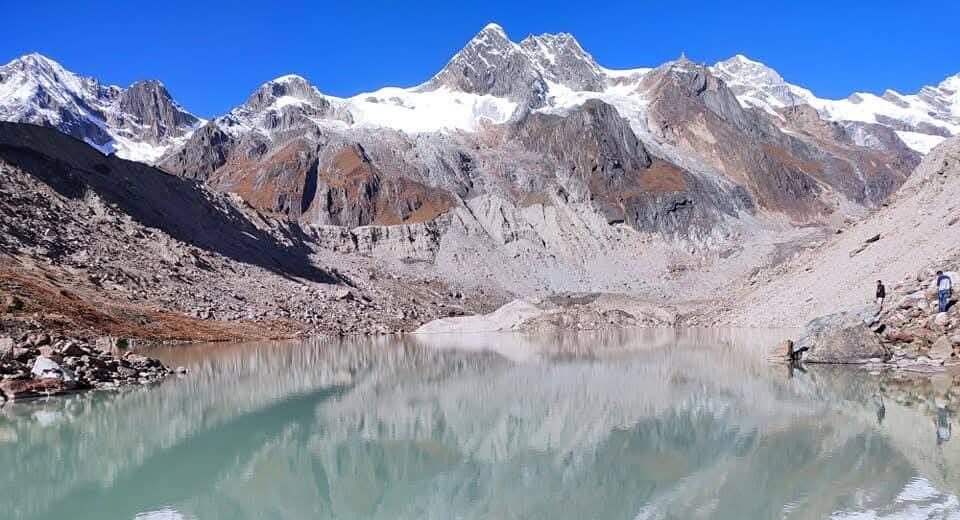
Situated at an altitude of approximately 4,550 metres above sea level in the foothills of Sanjen Himal, the lake lies within Amachhodingmo Rural Municipality of Rasuwa district. Locally, it is also known as Paldor Kunda.
Fed by mountain waters, the lake remains filled throughout the year, offering clear, transparent and extremely cold water. Its surroundings feature alpine grasslands, rocky landscapes and high-altitude vegetation, adding to its natural appeal. Rare Himalayan flowers that bloom during the summer months further enhance the area’s beauty and attract nature enthusiasts. On clear days, visitors can enjoy spectacular views of the surrounding mountain ranges from the lakeside.
Beyond its scenic appeal, Dilpu Kunda also holds religious and cultural significance. The local Tamang community regards the lake as a sacred pilgrimage site. Although there are no documented historical records of its origins, generations of oral traditions have established it as an important centre of local faith. Residents visit the lake during special festivals and religious occasions to offer prayers and perform traditional rituals.
To reach Dilpu Kunda, visitors can travel by road from Kathmandu to Dhunche, the district headquarters of Rasuwa, and continue towards Chilime. From there, a local trekking trail leads towards the Sanjen area, followed by a walking route to the lake. Given the challenging mountainous terrain, visitors are advised to hire local guides and check weather forecasts and trail conditions before undertaking the journey.
Baisakh, Jestha and the autumn months of Asoj and Kartik are generally considered favourable periods for visiting the area. During these seasons, clearer skies offer better views of the lake and surrounding mountains. However, extreme cold and snowfall during winter can make travel difficult.
Despite its considerable tourism potential, Dilpu Kunda continues to face a shortage of basic infrastructure and visitor facilities. The absence of proper signboards along trekking routes, inadequate drinking water and shelter facilities, and limited waste management arrangements remain major challenges.
Balram Neupane, chairperson of the Rasuwa-Nuwakot Tourism Society, said promoting lesser-known destinations such as Dilpu Kund could introduce a new dimension to tourism in the district.
He stressed the need to develop the area as part of an integrated trekking circuit connecting nearby natural and cultural attractions, including Parbatikunda and the Sanjen region.
“If basic infrastructure is developed, trekking trails are improved and adequate publicity is given to these hidden destinations, the length of stay of both domestic and international tourists can be increased,” Neupane said. He added that such initiatives would contribute directly to the local economy, generate employment opportunities and help preserve local culture. He also emphasized the importance of cooperation among local governments, tourism entrepreneurs and community members.
Buchung Tamang, chairperson of Amachhodingmo Rural Municipality, said the local government had prioritized the conservation and promotion of historical, religious and tourism-related sites within the municipality.
He said the municipality was committed to systematically improving trekking routes, installing directional signboards and developing essential infrastructure while safeguarding the natural and cultural significance of Dilpu Kunda.
“We are committed to developing this area into an attractive tourist destination through coordinated efforts with tourism entrepreneurs and the local community,” Tamang said.





Comment