




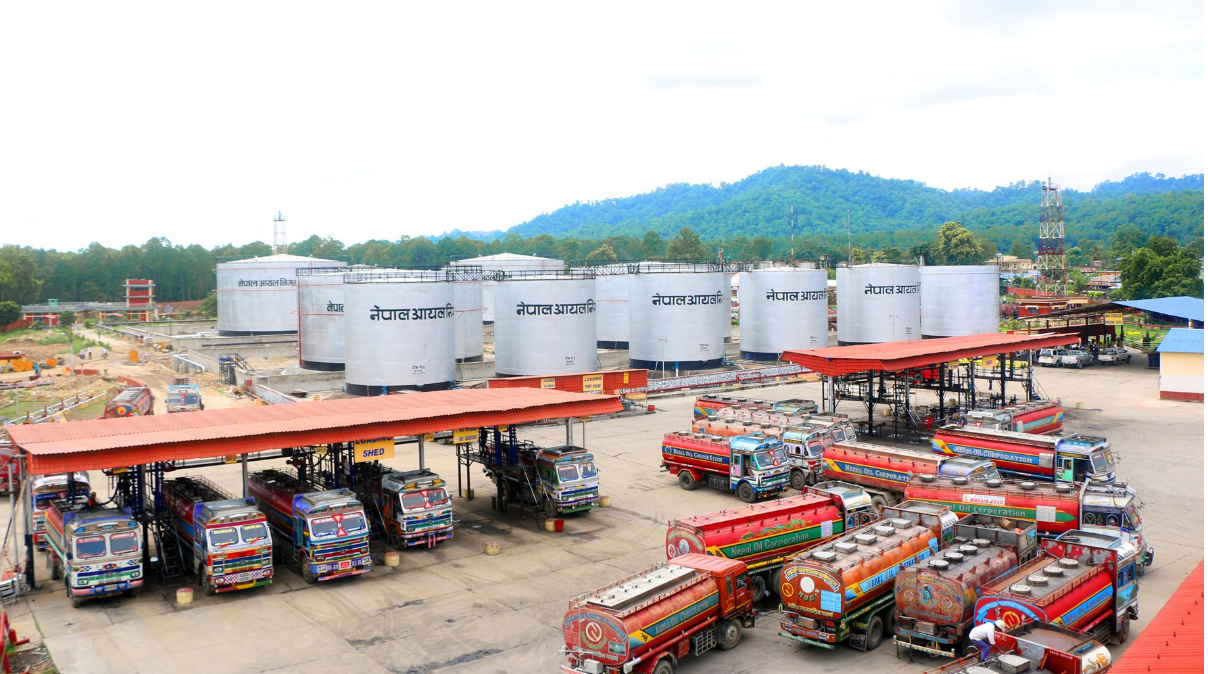
KATHMANDU: More than two weeks after the United States and Israel launched strikes on Iran, the resulting retaliatory actions and geopolitical tensions in West Asia are affecting global energy supply chains, with a noticeable impact even in Nepal.
Nepali households are facing shortages of cooking gas, and petroleum products have seen sharp price increases. Analysts warn that if the conflict in West Asia continues, it could disrupt daily life and the broader economy in Nepal.
Supply chain details
Nepal depends on the Indian Oil Corporation (IOC) for most of its gas and petroleum imports, including supplies for domestic kitchens and industrial use. IOC sources gas from the Arabian region and Russia and channels it to Nepal.
However, tensions in West Asia have affected India’s supply system, which has created psychological pressure among Nepali consumers. Despite this, because gas and petroleum products continue to arrive from India, Nepal has not yet faced a full-scale shortage.
Consumption and availability
According to Diwan Bahadur Chand, Nepal consumes about 45,000 metric tons of gas monthly. He confirmed that supply has not been reduced and that demand spikes caused by news of shortages in India have created temporary pressure on refilling cylinders.
Chand explained that the recent logistical issues were also due to routine technical maintenance at the Barauni supply terminal in India, which affected rotation schedules for gas cylinder deliveries. The problem has now been resolved.
Currently, around 500 cylinders are delivered daily via gas bullet services, with 80–90 cylinders refilled each day. The highest impact is felt by low-income households that use only a single cylinder.
Similarly, Manoj Thakur confirmed there are no problems with diesel and petrol supply. Nepal consumes around 2,000–2,500 liters of petrol and 4,500–5,000 kiloliters of diesel daily, and the current supply is sufficient.
Allegations of artificial shortages
Consumer rights activist and Secretary General of Nepal Consumer Protection Forum, Vishnu Prasad Timilsina, claimed that artificial shortages of gas have been created in the market. He alleged that half-cylinder distribution practices are unnecessarily alarming consumers and that authorities have failed to prepare adequate measures to control rising prices.
Timilsina added that while Nepal has approximately 17 million gas cylinders, only around 10 million are active in the market. Some traders are reportedly hoarding cylinders to manipulate supply and prices. On Monday, the Department of Commerce and Consumer Protection recovered 6,000 cylinders from one depot.
Timilsina criticized the weak enforcement of consumer courts, arguing that fines for hoarding and unfair market practices are insufficient. He emphasized that stronger legal action, including criminal liability for price manipulation and artificial shortages, is required to protect consumers.
He urged the government to implement effective regulations and relief measures, including using the Price Stabilization Fund, which currently holds about Rs 16 billion, to mitigate the impact on households in times of genuine shortages.





Comment