




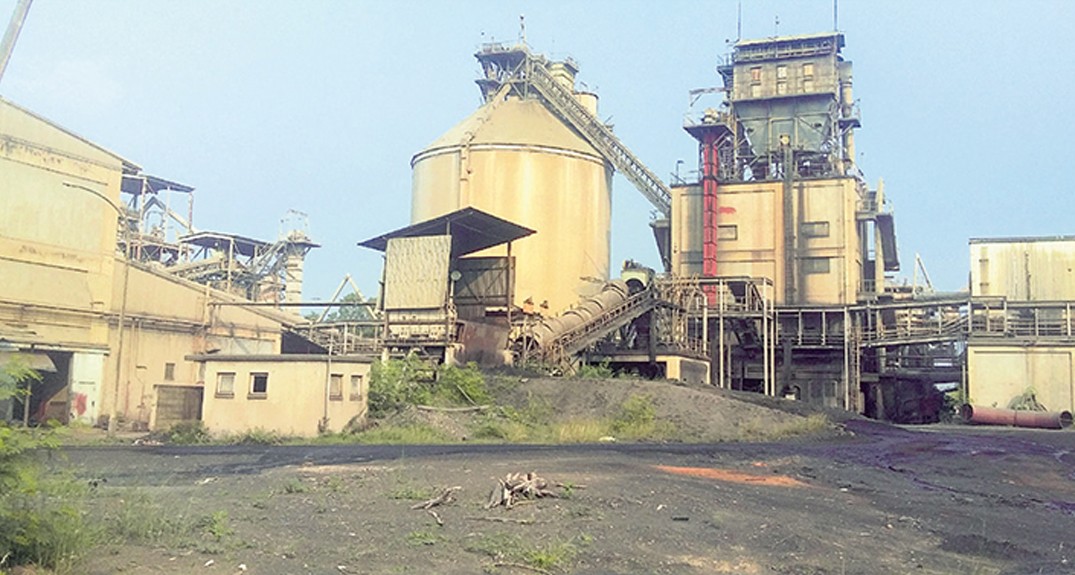
HETAUDA: Stakeholders and local representatives have stepped up demands for the regular and full-capacity operation of the Hetauda Cement Industry, which has been plagued by chronic financial instability and frequent shutdowns. The demand follows the federal government’s recent announcement to revitalize sick industries across the country.
Member of Parliament Prakash Gautam has prioritized the industry’s recovery, engaging in high-level discussions with the Prime Minister, the Minister for Industry, and the Chief Minister of Bagmati Province. Gautam noted that while the leadership has offered positive assurances, the industry’s decline is rooted more in internal mismanagement than commercial failure. He emphasized that the factory could become viable again if political interference is eliminated, internal corruption is curbed, and a professional management team is installed to replace the current system, which he characterized as being treated merely as a source of government salaries.
The factory’s current status remains dire. According to Acting General Manager Dr. Shivanarayan Sah, the industry operated for only five days in the current fiscal year 2082/83 (specifically from September 4 to September 9), producing 2,500 tons of clinker and approximately 30,000 bags of cement. Although production processes were tentatively restarted on March 26, 2026 (Chaitra 13), the plant has stalled again due to a severe shortage of raw materials.
The primary obstacle to regular production is the lack of coal. The industry requires 120 tons of coal daily for consistent operation, but outstanding debts to previous suppliers have hindered new procurement. Despite issuing tenders for coal, suppliers are hesitant to deliver until old arrears are cleared. Furthermore, the industry is struggling with unpaid electricity bills to the Nepal Electricity Authority and the burden of maintaining a workforce of 318 people, including 166 permanent staff.
Established in 1976 (2033 BS) and operational since 1986, the factory’s machinery is now considered obsolete by technicians. Experts suggest that beyond financial bailouts, a complete technical overhaul is necessary to compete with modern private-sector cement plants. The outcome of current political efforts will determine whether this historic state-owned enterprise can transition from a “sick industry” back to a productive asset.





Comment