




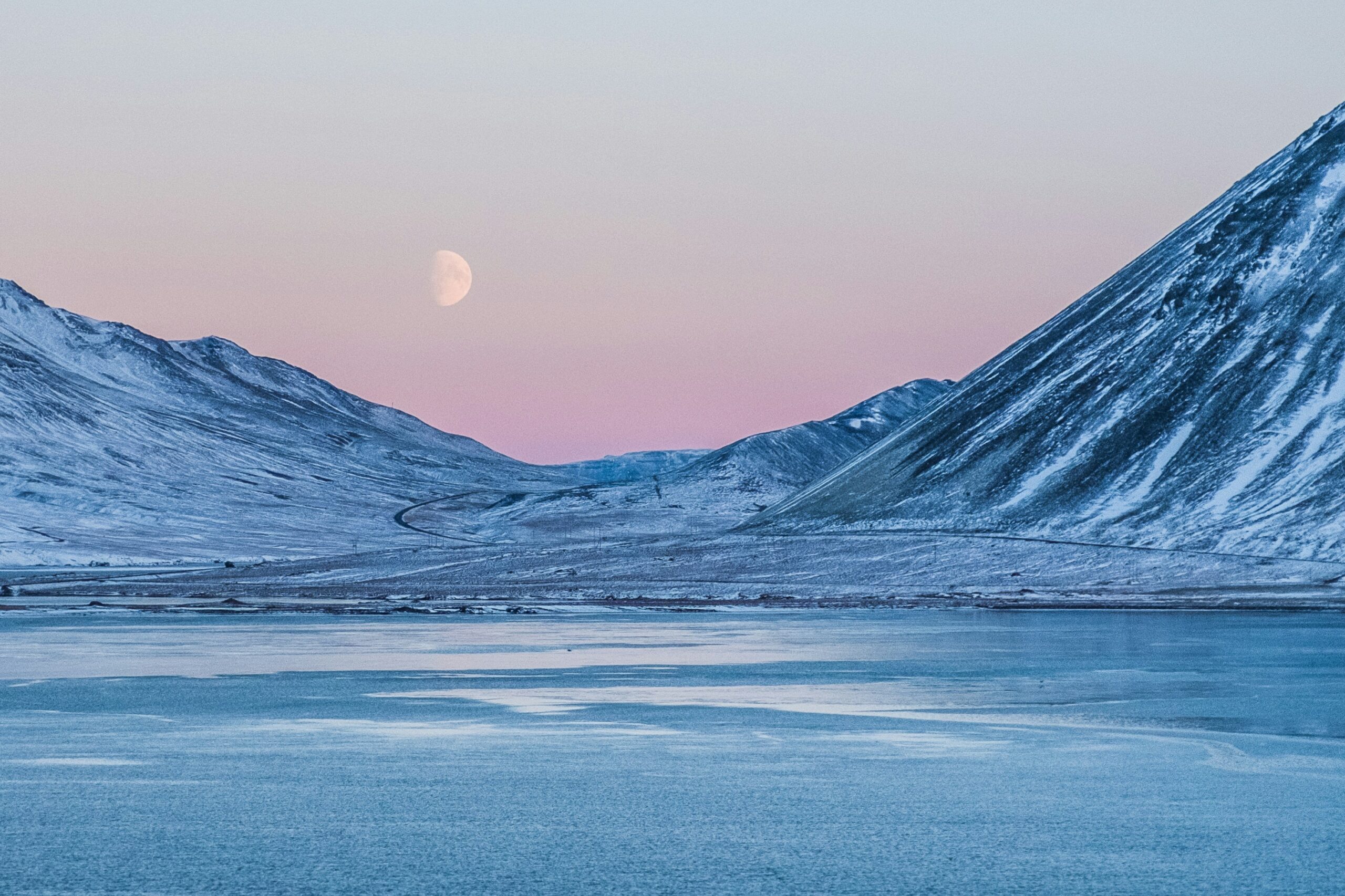
OSLO: Escalating tensions in West Asia have revived efforts by Norway to push for oil and gas exploration in the Arctic, as the country seeks support from the European Union to expand drilling in the region.
Already Europe’s largest single supplier of natural gas since the Russian invasion of Ukraine, Norway is attempting to leverage concerns about global energy security following the crisis involving Strait of Hormuz, a key route for oil and gas shipments that has faced disruptions amid tensions with Iran.
The European Commission is currently revising its Arctic strategy. Since 2021, the European Union has committed to working toward an international moratorium on oil and gas drilling in the Arctic due to environmental concerns.
However, the current geopolitical situation has prompted Norwegian politicians and energy industry representatives to intensify lobbying efforts against the proposed ban.
“They’re taking advantage of the situation to apply pressure,” said Anne Karin Saether, project manager at the Norwegian Climate Foundation.
Push for Arctic exploration
Norway currently supplies nearly one-third of Europe’s natural gas needs after Russian supplies sharply declined following the war in Ukraine.
The Scandinavian country operates two gas fields above the Arctic Circle — Snohvit Gas Field and Aasta Hansteen Gas Field — but the government is encouraging further exploration.
In January, Norway proposed opening 70 new exploration blocks, more than half of them located in the Arctic waters of the Barents Sea.
According to the Norwegian Offshore Directorate, Norway’s undiscovered oil and gas resources are estimated at around 3.48 billion cubic meters of oil equivalent, with about 60 percent believed to be located in the Barents Sea.
Norwegian Energy Minister Terje Aasland insisted that Oslo’s stance on Arctic oil activity is not directly linked to the West Asia conflict.
“The fact that there is a war in West Asia today has nothing to do with Norway’s position on oil activities in the North,” he said, noting that the EU and Britain currently purchase all the oil and gas produced from Norway’s Arctic fields.
Environmental and security concerns
Environmental groups warn that increasing drilling in the Arctic would undermine climate commitments.
Truls Gulowsen, head of the Norwegian Society for the Conservation of Nature, said the current geopolitical climate could make European policymakers more susceptible to arguments about energy security.
Meanwhile, Karoline Andaur, head of World Wide Fund for Nature Norway, cautioned that even if restrictions were lifted, it could take decades for new Arctic oil and gas projects to begin production.
Security experts also warn that energy infrastructure in the Arctic could become vulnerable due to its proximity to Russia.
Saether noted that gas pipelines in the region could be potential targets for sabotage, posing risks not only to Norway but also to Europe’s broader energy security.
Despite the lobbying pressure, the European Commission has said that, for now, its position supporting an Arctic hydrocarbon moratorium remains unchanged.





Comment