




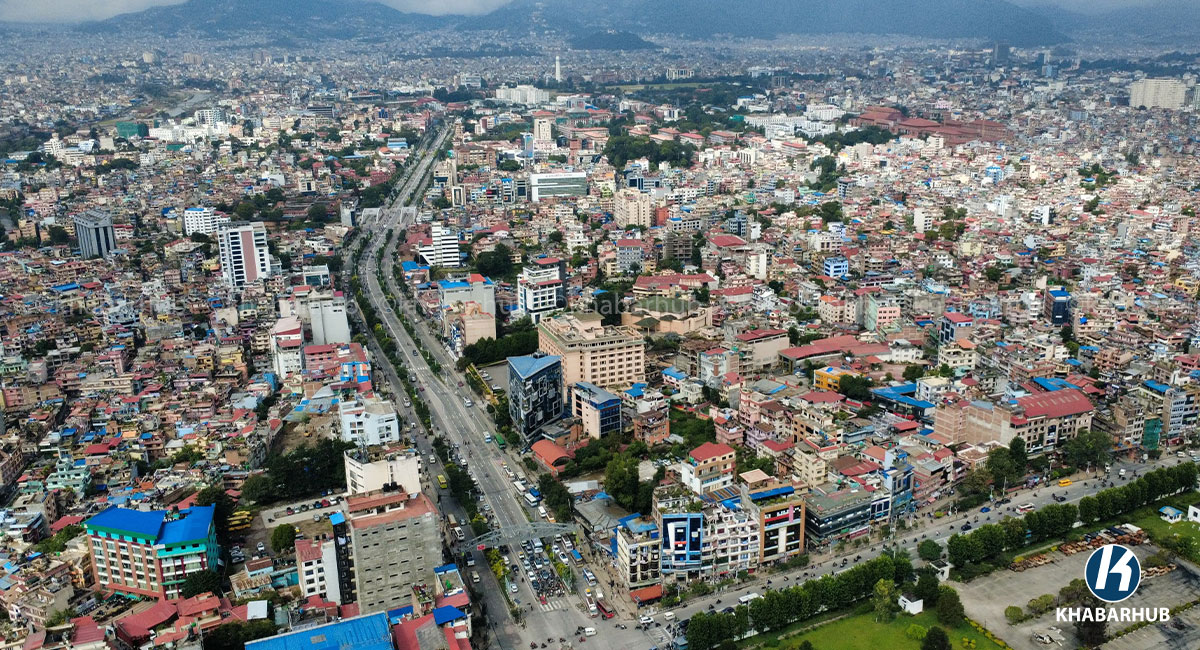
KATHMANDU: Nepal is likely to experience mostly dry weather on Tuesday, with little chance of significant rainfall across the country as the monsoon gradually retreats and westerly winds begin to influence weather conditions.
While a few mountainous areas may receive light rain or snowfall, the Kathmandu Valley is expected to remain largely dry, with temperatures hovering in the mid-to-upper 20s Celsius.
According to the Weather Forecasting Division, the mountainous regions of Karnali and Sudurpaschim provinces will remain generally cloudy this afternoon, while other mountainous and hilly areas will experience partly cloudy conditions. The Terai region is expected to remain mostly clear.
Light rain or snowfall is possible in the mountainous areas of Karnali and Sudurpaschim provinces during the afternoon. One or two locations in other mountainous and hilly regions may also receive light precipitation.
Tonight, the mountainous regions are expected to remain partly cloudy, while the hills and Terai will experience mostly clear weather. The division has forecast a possibility of light rain or snowfall at one or two locations in the mountainous areas of Karnali Province.
Meanwhile, the possibility of rainfall in the Kathmandu Valley is particularly low, according to the Division. He said there is only a 20 percent chance of light rain in the valley during the afternoon or evening.
The minimum temperature in Kathmandu was recorded at 15 degrees Celsius at 5:45 am on Tuesday. However, this was a preliminary reading, with the official minimum temperature measurement scheduled for 8:45 am. The final reading could be slightly lower.
Lamichhane said the maximum temperature in the valley is expected to range between 26 and 28 degrees Celsius. On Monday, Kathmandu recorded a minimum temperature of 14.5 degrees Celsius and a maximum of 27 degrees Celsius.
Rainfall has decreased significantly as the monsoon retreats and westerly winds begin to influence the country. Temperatures are also gradually declining, bringing cooler conditions to several areas.
According to the Division, both monsoon and westerly winds are currently influencing Nepal’s weather. The monsoon has already withdrawn from Sudurpaschim and Karnali provinces, as well as many areas in western Lumbini Province and some locations in western Gandaki Province.
The remaining parts of the country are still experiencing monsoon conditions, but meteorologists expect the monsoon to withdraw completely from Nepal soon.
The post-monsoon season begins once the monsoon has fully withdrawn from the country. It generally extends through October and November, followed by winter, which lasts from December through February.
The pre-monsoon season then begins in March and continues through May, before the monsoon returns.
As Nepal transitions into the post-monsoon period, rainfall is expected to remain comparatively limited, although localised precipitation may still occur, particularly in mountainous areas.



Comment