




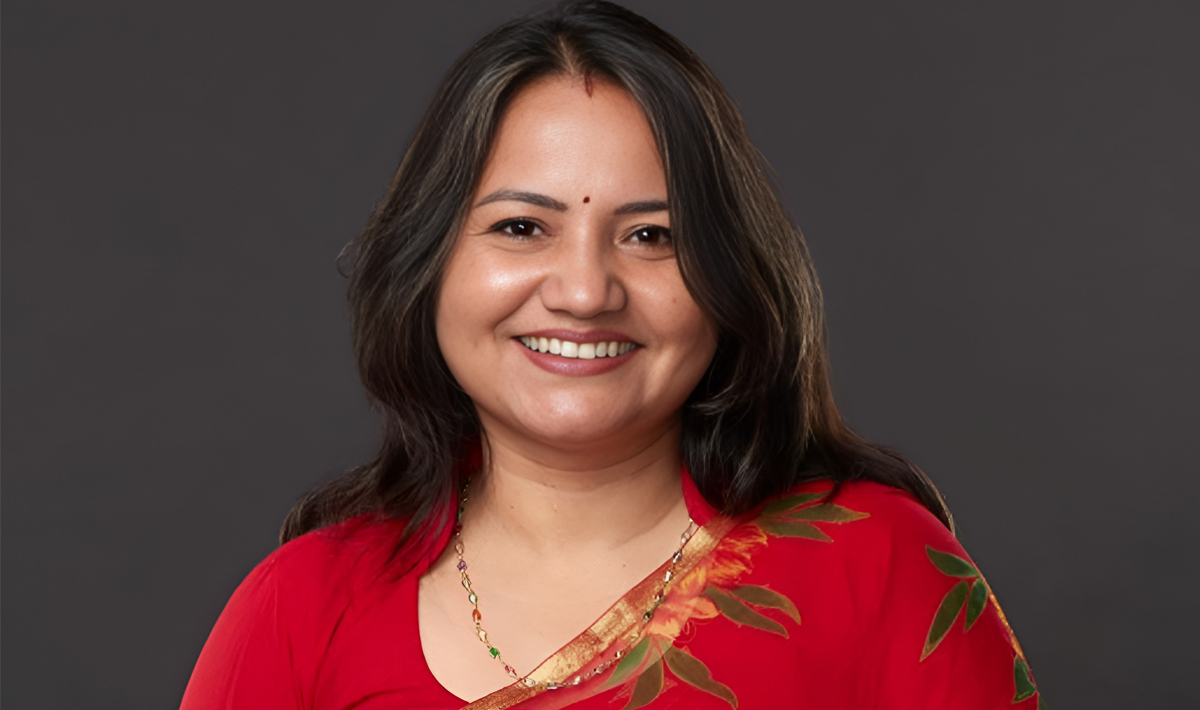
KATHMANDU: Basana Thapa is the chief whip of the Nepali Congress. The party entrusted her with a major responsibility in her very first term after becoming the only woman lawmaker elected from the Nepali Congress. She secured victory from Dailekh Constituency-1 in the election held on March 5.
When Prime Minister Balendra Shah’s stated that Nepal has also encroached on India’s territory in Parliament on May 31, Thapa was the first to raise an objection. She demanded that the Prime Minister apologize and that the statement be removed from the parliamentary record. However, the controversial remark has yet to be expunged.
The main opposition Nepali Congress, along with other opposition parties, has been demanding that the Prime Minister appear in Parliament, respond to the issue, and have the statement removed from the official record. Not only that, Foreign Minister Shishir Khanal also addressed the House on Wednesday, but the opposition rejected the response as unsatisfactory and has continued its protest in the House of Representatives.
Chief Whip Thapa remains firm in her position that the Prime Minister should apologize to the Nepali people. She argues that a Prime Minister elected with a strong popular mandate should not disappoint the public. At the same time, she says a party with a parliamentary majority must treat public trust, sovereignty, and national integrity with seriousness.
“It is painful and a serious signal that all 181 lawmakers supported the Prime Minister’s statement,” she said. “The Prime Minister exercised poor judgment, but why were the 181 lawmakers present not accountable to the country and the people? That is what concerns us. We asked for the statement to be removed from the record, but their stubbornness and sense of superiority led to this situation.”
Thapa said the Prime Minister’s remarks continue to hurt people living in border areas. Stressing that safeguarding nationalism remains one of the Nepali Congress’ primary responsibilities, she made it clear that the party would continue seeking accountability from both the Prime Minister and the government.
According to her, the opposition parties, including the Nepali Congress, are also preparing to escalate the issue if the Prime Minister does not address Parliament directly. She warned that a Prime Minister elected with public support should not make statements that undermine national interests and urged him to reconsider.
“People should not have to regret tomorrow whom they elected as Prime Minister. Nothing irreversible has happened yet—let the Prime Minister apologize and have the statement removed,” Thapa said. “The Rastriya Swatantra Party also needs to take this issue seriously. The Nepali people are watching everything. They will not tolerate any expression that weakens the country.”
We spoke with Nepali Congress Chief Whip Basana Thapa about the political fallout following the Prime Minister’s remarks, the government’s response, and the opposition’s next course of action. Excerpts:
Despite obstructing Parliament for a long time, you were unable to make the Prime Minister accountable. Have you accepted Foreign Minister Shishir Khanal’s response?
No, we are not satisfied with his response in any way. We have consistently sought accountability from the government by demanding a response from the Prime Minister. We do not need the Prime Minister personally; we need the government’s answer.
Even today, many eyes are on Nepal because of what the Prime Minister said regarding the border issue. Even if not to us, the Prime Minister must answer to the Nepali people. We are not satisfied with the explanation and will continue seeking answers. If the Prime Minister continues to ignore this, we are not going to accept it.
Did you also hold discussions with RSP Chair Rabi Lamichhane? What was his response?
Why the Prime Minister chose to remain stubborn is something that should be asked to him directly. But RSP Chair Lamichhane’s position has also not come out clearly.
He has been saying, “The Prime Minister did not mean it that way.” But whether he meant it or not is clearly reflected in the parliamentary record.
During discussions, we were told that the Foreign Minister would respond to the issue. We felt that since the Foreign Minister is also part of the government, his response should matter.
Chair Lamichhane had said, “We will bring the Prime Minister’s statement and discuss it. If the explanation is satisfactory, that is fine. Otherwise, we also need to move ahead with budget discussions. Parliamentary proceedings should not remain stalled for too long.”
That is why we initially thought if the Foreign Minister’s answer was insufficient, then the Prime Minister himself should respond. We have been demanding clarification from the Prime Minister every day. We have objected repeatedly and raised this issue continuously in Parliament. Whether the Prime Minister has noticed or not, we do not know. He is very active on social media.
Overall, we are not in favor of obstructing Parliament indefinitely or preventing people’s issues from being heard. There are urgent issues that need to be raised in Parliament. Rather than keeping the House blocked all the time, we will continue demanding answers. How long the Prime Minister remains unaccountable is up to him.
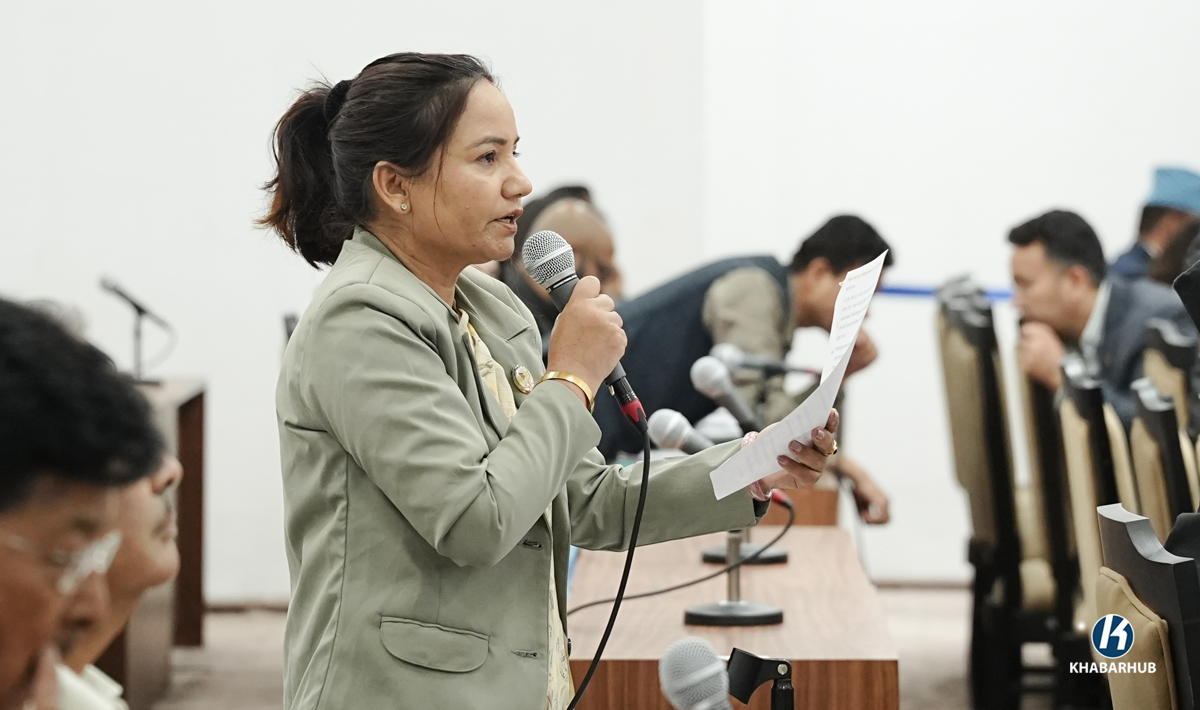
Do you feel the Prime Minister ignored the opposition or ignored the public itself?
The Prime Minister does not necessarily need to respond to the opposition. He should prove what he said before the public—and if he cannot, then he should apologize now.
Why the Prime Minister has remained silent is not for us to answer; that question should be directed to the ruling side. Why have they not been able to bring the Prime Minister to Parliament?
We are no longer searching for the Prime Minister as an individual—we are seeking clarification from the government.
Every day we ask, “Where is the Prime Minister?” This situation is not good at all.
The Prime Minister may have exercised poor judgment, but why did the 181 lawmakers inside Parliament also fail to be accountable to the country and the people? That concerns all of us.
Our parliamentary party leader Bhishmaraj Angdembe also questioned why they remained silent on an issue of nationalism. Think about it yourself—how justified is it for 181 lawmakers to support a statement claiming Nepal has also encroached on Indian territory?
People gave them a two-thirds majority and we respect that public mandate. But seeing 181 lawmakers support what we see as an irresponsible statement deeply hurts me. Those who cannot call right right and wrong wrong—there is little more we can say. The Nepali people are closely watching their role. Supporting what we consider an anti-national statement from the Prime Minister is unfortunate and deeply concerning.
There are reports that tensions have emerged in border areas due to this controversy. Are you aware of this, and how do you plan to move forward?
They are in government because people gave them a majority. I again urge them to listen to the public.
The statement made in Kathmandu has deeply affected people living in border areas. Those 181 lawmakers should understand how much pain it has caused. It may be easy to speak, but imagine how hurt and anxious Nepali brothers and sisters living along the border must feel.
We may be weaker in Parliament numerically, but nationalism is not just an opposition issue—it concerns the entire country. We have raised concerns and warned the government. How long they continue to ignore them is up to them.
Frankly, I feel disappointed seeing how this situation emerged because of the Prime Minister’s statement. Our party has repeatedly sought clarification. It would be easier for everyone if future generations never had to remember such a statement from Nepal’s Prime Minister.
That is why I immediately objected in Parliament and demanded the statement be removed. But what we saw instead was stubbornness. The Prime Minister was elected with a strong popular mandate and has received immense public support. My request is that he does not lose that trust.
He may not consider it important, but his statement has created difficulties across border areas. If this issue continues to be taken lightly, Nepali people will not forgive it.
What is your assessment of the direction the government is heading?
The government should listen to the people, but it has not. Whether it does not know how to run Parliament, how to communicate, or how to admit mistakes—those are questions the government should answer itself. It seems the government lacks experience in moving governance forward. Experience may not come immediately, but leaders should seek support and advice.
The government has completed two months and, in our view, has chosen the wrong path. There is still time to correct course. We continue urging them to do so. People should not later regret giving a two-thirds mandate to a party that weakened the country and national interests. No one is above policy, law or the Constitution.
Perhaps older parties made mistakes in the past while implementing laws, but this government has not corrected those serious weaknesses. If the Prime Minister continues in the same direction, I fear it could become difficult for the country.
I say this respectfully—he should correct his statement. He should apologize to the Nepali people.
People should not regret tomorrow whom they elected as Prime Minister. Nothing irreversible has happened yet. The Prime Minister should apologize and ensure the statement is removed.
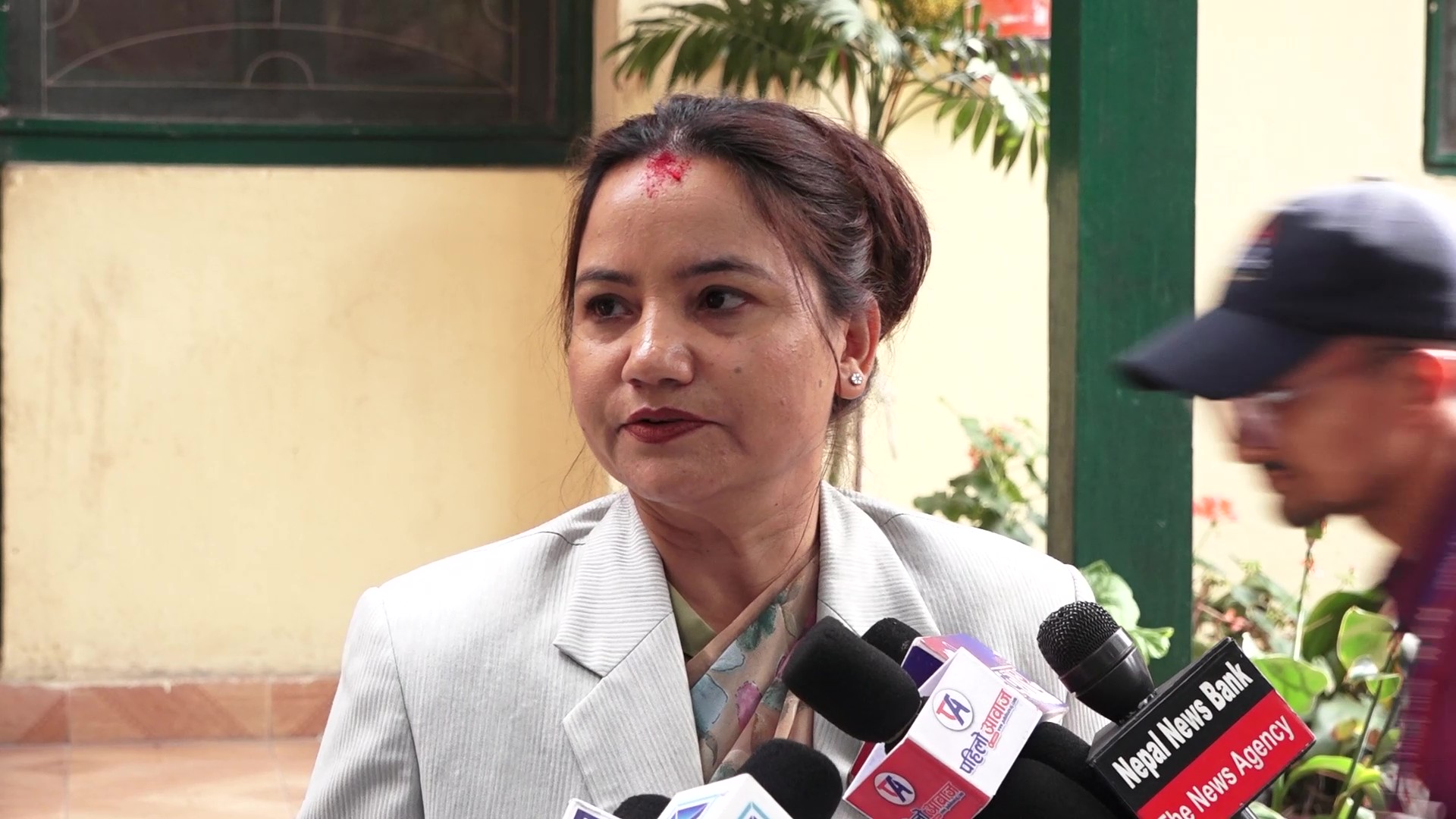
Finally, since the Prime Minister did not appear in Parliament, did the opposition move ahead through compromise?
We absolutely did not move forward through compromise. We resumed parliamentary proceedings because people’s voices need to be heard.
We are not in a position to physically bring the Prime Minister into Parliament. If anyone could do that, it would be the 181 lawmakers supporting him. But even they could not say, “Prime Minister, please come. This has become harmful for the country.”
I did not want to use this word, but blindly following the Prime Minister’s position reflects a serious failure of responsibility. We have repeatedly said that we do not need the Prime Minister’s presence—we need answers.
The Foreign Minister’s response did not satisfy us. We continue inviting the Prime Minister to come and answer. If there has been any compromise, it has been with the people’s need for Parliament to function—not with the government.
The Prime Minister has still not appeared in Parliament or issued any self-reflection. What comes next?
Further programs and actions may need to be considered. The Prime Minister’s statement has hurt people living in border areas. Nepali Congress remains serious about national integrity and protecting the country. We will coordinate with other opposition parties and move forward. There will be no closure until the Prime Minister apologizes and the statement is removed from the parliamentary record.



Comment