




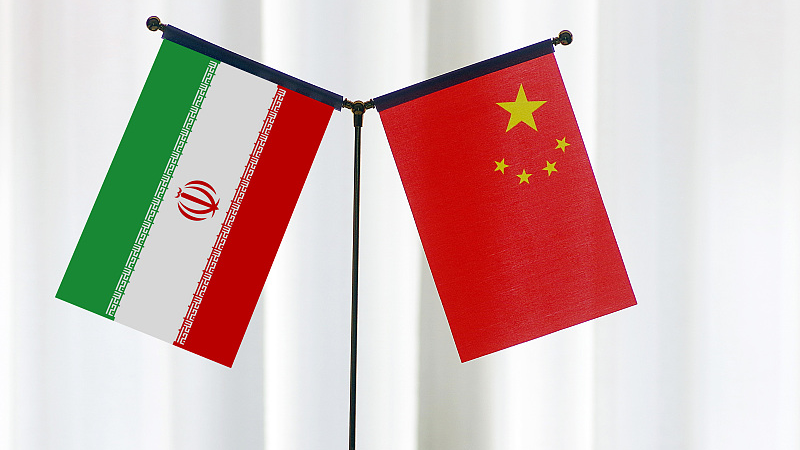
The global stage in 2026 is witnessing a dramatic escalation of tensions, with the United States, its allies, and China positioned at the heart of a complex geopolitical confrontation.
At the centre of this unfolding narrative lies Iran, a nation battered by weeks of conflict and now seeking to rebuild its military capacity. Intelligence reports suggest that China may be preparing to deliver advanced air defence systems to Tehran, a move that could reshape the balance of power in the Middle East and trigger severe repercussions in global trade and diplomacy.
After nearly forty days of intense warfare, Iran’s air defence infrastructure has been severely weakened. The United States and Israel secured air superiority early in the conflict, leaving Iran vulnerable to further strikes.
The ceasefire agreement, while offering temporary relief, has opened a window for Tehran to seek external assistance. Analysts believe that Iran is using this pause to replenish its arsenal, relying on foreign partners to provide advanced systems that could restore its defensive capabilities.
The intelligence community has pointed to China as a potential supplier, with reports indicating that Beijing may attempt to transfer man‑portable air defence systems through third countries to mask their origin. Such covert operations, if confirmed, would represent a significant escalation, undermining the fragile truce and complicating diplomatic efforts to stabilize the region.
The United States has responded with unequivocal warnings. Any nation supplying weapons to Iran, officials have stated, will face immediate economic retaliation. A 50% tariff on all goods exported to the United States would be imposed without exceptions. This threat is not merely symbolic; it represents a powerful tool of economic leverage designed to deter foreign intervention in the conflict.
Trade representatives have emphasized that while relations with China remain stable for now, any move by Beijing to arm Iran would fundamentally alter the dynamic. The imposition of sweeping tariffs could shatter the current trade truce, reigniting economic hostilities between the world’s two largest economies.
China has firmly denied allegations of supplying weapons to any party in the conflict. Official statements from its embassy in Washington dismiss the reports as unfounded, insisting that Beijing has no role in the transfer of military equipment to Iran. Yet, the persistence of intelligence leaks and the strategic ambiguity surrounding China’s actions continue to fuel suspicion.
Observers note that China’s broader geopolitical strategy often involves covert operations and indirect support, allowing it to project influence while avoiding direct confrontation.
The discovery of a Chinese underwater drone by Indonesian fishermen has further heightened concerns about Beijing’s expanding footprint in sensitive waters.
Such incidents reinforce the perception that China is pursuing a multifaceted approach to global power projection, combining military, economic, and technological tools to advance its interests.
The potential consequences of Chinese involvement in Iran’s rearmament are profound. A breakdown in U.S.–China trade relations would reverberate across global markets, disrupting supply chains and destabilizing economies worldwide.
The imposition of tariffs would not only affect bilateral trade but also undermine investor confidence, triggering volatility in financial markets.
Diplomatically, the crisis threatens to derail upcoming high‑level meetings. The scheduled visit of U.S. leadership to Beijing could be overshadowed by escalating tensions, reducing the prospects for constructive dialogue. The fragile balance between cooperation and confrontation may tilt decisively toward conflict, reshaping alliances and strategic calculations across Asia and the Middle East.
The unfolding situation underscores the collision between geopolitical power and principled diplomacy. On one hand, nations seek to protect their strategic interests, leveraging military and economic tools to secure influence. On the other, the pursuit of short‑term gains risks undermining long‑term stability, eroding trust, and fuelling cycles of conflict.
The warnings issued by Washington reflect a broader recognition that unchecked arms transfers can destabilize entire regions. The potential involvement of China highlights the complexity of global power dynamics, where economic interdependence coexists uneasily with strategic rivalry.
The crisis serves as a reminder that transparency, accountability, and restraint are essential to prevent escalation and preserve fragile peace. As the world watches, the decisions made in the coming weeks will shape the trajectory of international relations for years to come.
If China proceeds with arms transfers to Iran, the consequences could be immediate and severe, triggering economic retaliation and diplomatic fallout. If restraint prevails, there remains a chance to preserve stability and rebuild trust.
The crisis is not merely about weapons or tariffs; it is about the future of global governance. The choices made by major powers will determine whether the international system moves toward cooperation or confrontation. In this defining moment, the stakes could not be higher.
References (Text links)
https://www.cnn.com/2026/04/10/us-iran-china-weapons-report
https://www.reuters.com/world/us-warns-china-iran-arms-2026-04-12
https://www.bbc.com/news/world-middle-east-iran-ceasefire-2026
https://www.ft.com/content/us-china-trade-tariffs-2026
https://www.scmp.com/news/china/diplomacy/article/iran-arms-transfer-ccp-2026
https://www.defensenews.com/global/asia-pacific/2026/04/13/china-drone-discovery-indonesia






Comment