




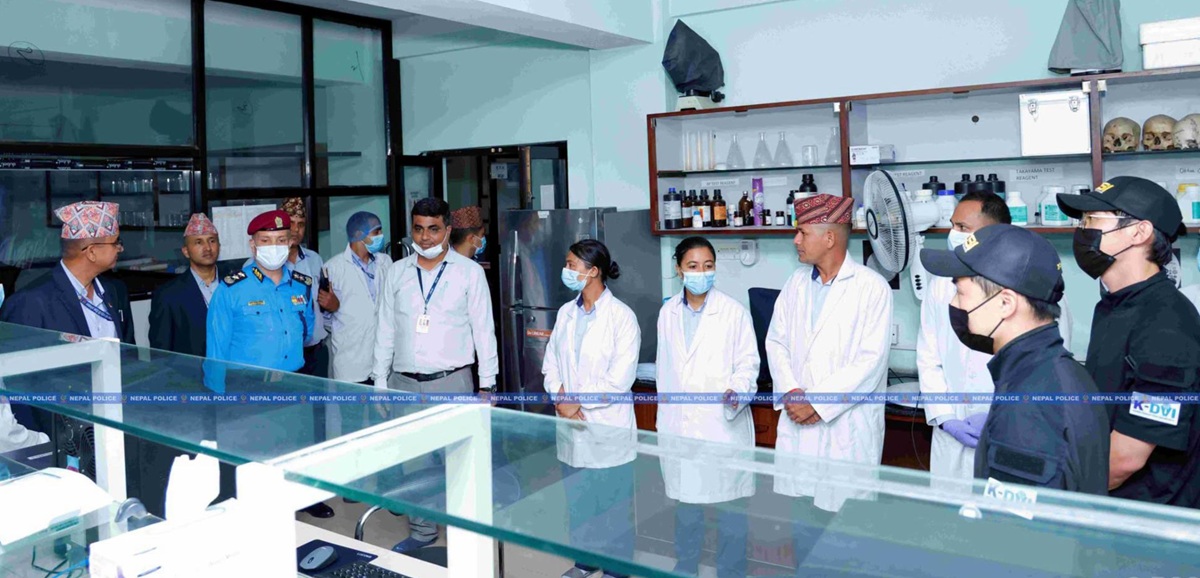
KATHMANDU: DNA testing is underway at forensic laboratories to identify the bodies recovered following the Bhotekoshi flood.
Central Police Spokesperson Aabin Narayan Kafle said DNA tests are being conducted at the Nepal Police Central Forensic Science Laboratory and the laboratory of the Nepal Academy of Science and Technology (NAST) in Khumaltar.
The samples collected for identification are being carefully examined to minimise the possibility of errors. Experts from India, China, South Korea and Singapore have arrived in Nepal to assist Nepali forensic teams. Indian and South Korean experts are supporting the police forensic laboratory, while Indian and Chinese teams are assisting at the Khumaltar laboratory.
Four machines are currently being used for DNA testing. After the necessary preparation, each machine can produce a result within 90 minutes. However, the machine must be completely decontaminated before processing another sample.
According to forensic experts, DNA testing using bones and teeth can take up to four days. The bones and teeth are first ground into powder, which is then placed in specialised chemicals for 72 hours before further processing.
As of Saturday afternoon, 1,230 bodies had been buried after completing the necessary procedures, including DNA sample collection for identification. A total of 3,065 DNA samples have been collected, including 1,286 samples from deceased persons and 1,779 from their relatives.
The police forensic laboratory has an annual capacity to conduct around 400 DNA tests. However, 25 to 30 samples are currently being tested each day, Kafle said. Police began collecting DNA samples on September 9 and have so far tested more than 400 samples.
Experts say some samples may need to be tested again. Around 30 percent of DNA results obtained from bones and teeth may require repeat testing.
Kafle said efforts were underway to test as many samples as possible from recovered bodies. A forensic laboratory is also being prepared at the Bagmati Province Police Office in Hetauda to speed up the process.
“We are setting up another laboratory at the provincial police office in Hetauda as soon as possible. The machines have already arrived and the setup is underway. It will come into operation within a week,” he said.
Inspector General of Police Dan Bahadur Karki has been leading efforts to prioritise search and rescue, body identification and management following the Bhotekoshi disaster.
CODIS software used for DNA matching
The police have begun using the Combined DNA Index System (CODIS) software to match DNA samples from recovered bodies with samples collected from close relatives of missing persons.
“The DNA of the deceased and relatives is extracted and entered into the software, which then carries out the matching,” Kafle said.
CODIS is an international software system. Once a match is established, the police will release the body to the concerned family after completing the required documentation in accordance with international practices and the law.
All police personnel involved in DNA testing have been mobilised to complete the process as quickly as possible. They have been deployed around the clock without leave.
“Domestic and foreign personnel are assisting with DNA profiling. Foreign experts have also arrived in Nepal,” Kafle said.
DNA testing is an expensive and time-consuming process, but the government has arranged the necessary resources, he said.
The increasing number of recovered bodies, combined with shortages of equipment and personnel, has posed a major challenge for the police. Officials say establishing forensic laboratories in all seven provinces could help reduce the current pressure.
Senior Superintendent of Police Yog Bahadur Pal, chief of the Nepal Police Central Forensic Science Laboratory in Samakhushi, said samples from deceased persons and their relatives in the flood-affected areas were continuing to arrive.
“We are safely storing the collected samples and working around the clock to conduct DNA testing while meeting all required standards,” Pal said.
DNA profiling is considered one of the most effective methods for identifying individuals and establishing biological relationships.
Three methods used to identify bodies
Police are using three methods to identify recovered bodies: DNA testing, fingerprint analysis and photographic matching, Kafle said.
Police have also developed Disaster Victim Identification software to compare photographs of missing persons with photographs of recovered bodies.
“We have obtained fingerprints from some bodies and are technically processing them to determine where they may match,” Kafle said.
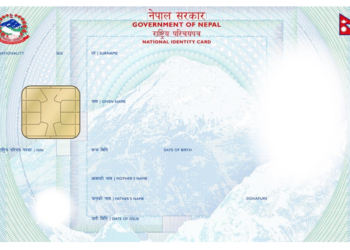
To verify fingerprints, police have obtained biometric information through systems including the national identity card database. The method is considered relatively inexpensive and faster.
However, police said fingerprints cannot be obtained from bodies where the hands are missing or severely decomposed.



Comment