




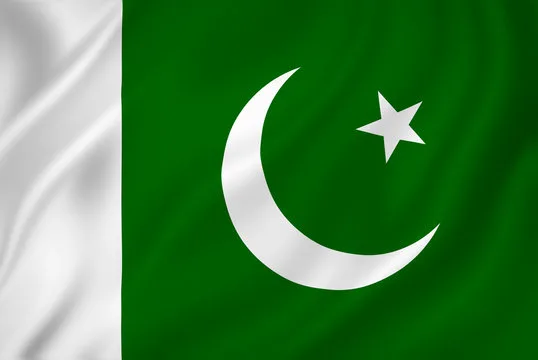
Pakistan has attracted international attention for its role in facilitating diplomatic engagement between the United States and Iran. Its involvement in efforts to bring the two sides to the negotiating table has highlighted Islamabad’s diplomatic outreach and its strategic importance in regional affairs. At the same time, Pakistan continues to face a range of domestic challenges, including economic difficulties, political disagreements, constitutional debates and concerns over civil liberties.
While its diplomatic engagement has brought international recognition, the country also faces expectations at home to address public concerns and strengthen democratic institutions. Protests and public demonstrations over economic hardship, political representation, governance and civil rights reflect the range of issues confronting the government.
Pakistan’s involvement in the US-Iran negotiations did not necessarily produce a concrete breakthrough, but its willingness to facilitate dialogue earned it considerable international attention. Prime Minister Shehbaz Sharif and Army Chief Asim Munir also received significant international media coverage during the diplomatic engagement. Their interactions with international leaders brought renewed focus to Pakistan’s role in regional diplomacy.
Pakistan’s geographical position, its relationships with Gulf countries and its longstanding diplomatic connections with major international powers have contributed to its relevance in regional affairs. The country has frequently played a facilitating role during periods of geopolitical tension in South Asia and the Middle East. Its involvement in the US-Iran diplomatic initiative was another example of how Islamabad can use its strategic position to support international dialogue.
However, diplomatic engagement abroad is only one aspect of a country’s international standing. Domestic governance, economic management, institutional strength and respect for fundamental rights also shape how a country is viewed internationally.
Pakistan continues to grapple with economic pressures, including the rising cost of food, fuel and electricity. These challenges have placed considerable pressure on ordinary households, particularly those with limited incomes. Public demands for economic relief, employment opportunities and improved public services remain important concerns for the government.
Political differences have also contributed to tensions. Supporters of former prime minister Imran Khan and his Pakistan Tehreek-e-Insaf (PTI) party have raised concerns about political space, the treatment of party workers and the functioning of democratic institutions. Meanwhile, political disagreements and constitutional changes have generated wider debate about the balance of power among state institutions.
Concerns have also been expressed over the treatment of protesters, political opponents, journalists and human rights activists. The use of criminal and terrorism-related laws in cases involving political activities and public demonstrations has attracted criticism from rights organisations. Amnesty International, for instance, has raised concerns about the use of legal provisions against individuals expressing critical views, describing it as a willingness to weaponise the legal system against critical voices.
The situation in Pakistan-administered Kashmir has also drawn attention. Public demonstrations have focused on inflation, employment, access to essential services and political and civil rights. Reports of restrictions on movement and internet access, security operations and disruptions to essential supplies have added to concerns about the handling of public protests. These developments underline the importance of addressing local grievances through dialogue and institutional mechanisms.
Journalists and civil society organisations have similarly highlighted concerns about freedom of expression, arrests, legal proceedings and reported cases of enforced disappearance. Changes to Pakistan’s constitutional and judicial framework have also prompted debate about judicial independence and the separation of powers. Maintaining public confidence in democratic institutions requires transparency, institutional accountability and adequate space for independent scrutiny.
These domestic issues do not diminish the importance of Pakistan’s diplomatic engagement. Rather, they highlight the multiple responsibilities facing the country. Facilitating international negotiations requires diplomatic experience, political relationships and an ability to bring different sides together. Similarly, addressing domestic challenges requires constructive engagement among political parties, state institutions and citizens.
Pakistan’s international role and its domestic governance should therefore be viewed as two interconnected aspects of its national standing. Recognition for diplomatic initiatives can coexist with legitimate international interest in its human rights record, democratic practices and economic conditions.
The international community has an important role in encouraging dialogue, peaceful political engagement and respect for fundamental freedoms. At the same time, Pakistan’s own institutions and political leadership have the responsibility to address public grievances through constitutional and democratic processes.
Ultimately, Pakistan’s diplomatic engagement with the United States and Iran has demonstrated its continuing relevance in regional affairs. Sustaining that role will also depend on how effectively the country addresses challenges at home. A stable political environment, stronger democratic institutions, economic opportunities and respect for civil liberties can reinforce its international standing.





Comment