




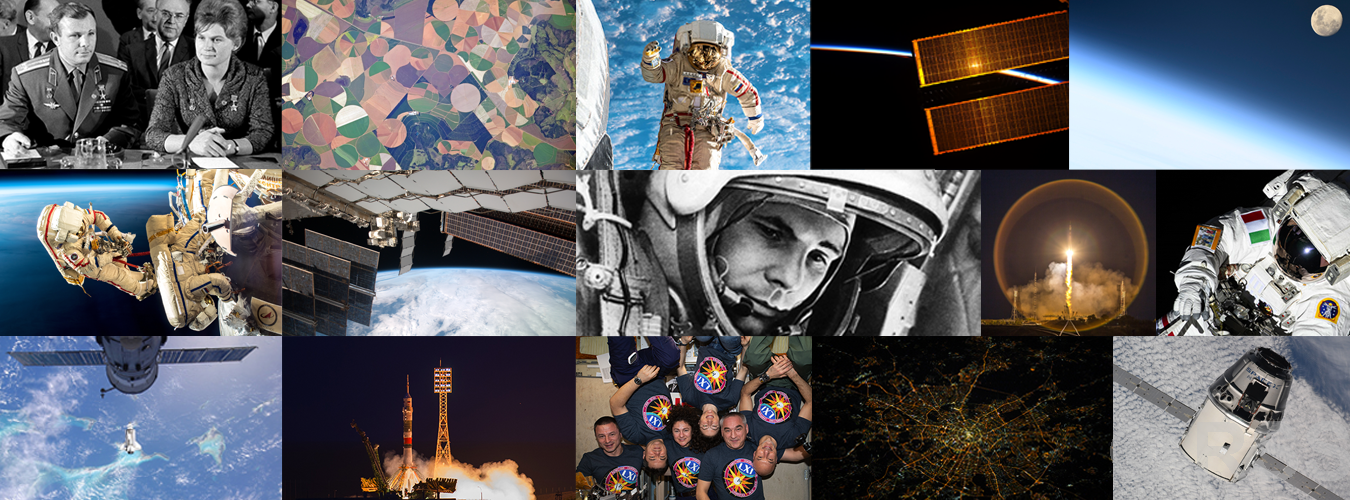
KATHMANDU: International Human Space Flight Day is being observed around the world today with various programs, marking the beginning of the space age in human history.
The United Nations General Assembly declared April 12 as International Human Space Flight Day through a resolution adopted on April 7, 2011. The day highlights the contributions of space science and technology, emphasizing their role in achieving sustainable development goals and improving living standards worldwide.
This day commemorates the historic achievement of Yuri Gagarin, a Soviet citizen who, on April 12, 1961, became the first human to travel into space and orbit the Earth, ushering in a new era of space exploration.
Earlier, on October 4, 1957, the launch of Sputnik 1, the first man-made satellite, had already laid the foundation for space exploration. In the decades that followed, humanity achieved several major milestones in space travel.
On June 16, 1963, Valentina Tereshkova became the first woman to travel into space. Later, on July 20, 1969, Neil Armstrong made history as the first human to set foot on the Moon. Another significant milestone came on July 17, 1975, when the Apollo–Soyuz Test Project successfully linked American and Soviet spacecraft in orbit.
The United Nations has emphasized that outer space and its exploration are the shared heritage of all humankind, and that the benefits of space science and technology should be accessible to all nations.






Comment