




KATHMANDU: A popular parable tells of two men waiting at the gates of heaven—one a driver wearing a leather jacket and dark glasses, the other a priest in traditional attire.
When asked about his life, the driver replied that he drove a night bus between Kathmandu and Sarlahi. Hearing this, the gatekeeper welcomed him warmly and offered him a luxurious golden room.
Then came the priest’s turn. Proudly introducing himself as a religious scholar who had guided people toward spirituality, he expected honor. Instead, he was handed a simple cloth and told to sleep on a mat in a modest room.
Shocked, the priest protested: “How is this justice? I spent my life chanting the name of God, yet a mere driver receives gold while I get a mat?”
The answer was simple: “Here we judge performance, not position. When devotees heard your sermons in the temple, many fell asleep. But when this driver sped along the highway at night, passengers closed their eyes and sincerely prayed to God.”
The story reflects a blunt truth: results matter more than rhetoric.
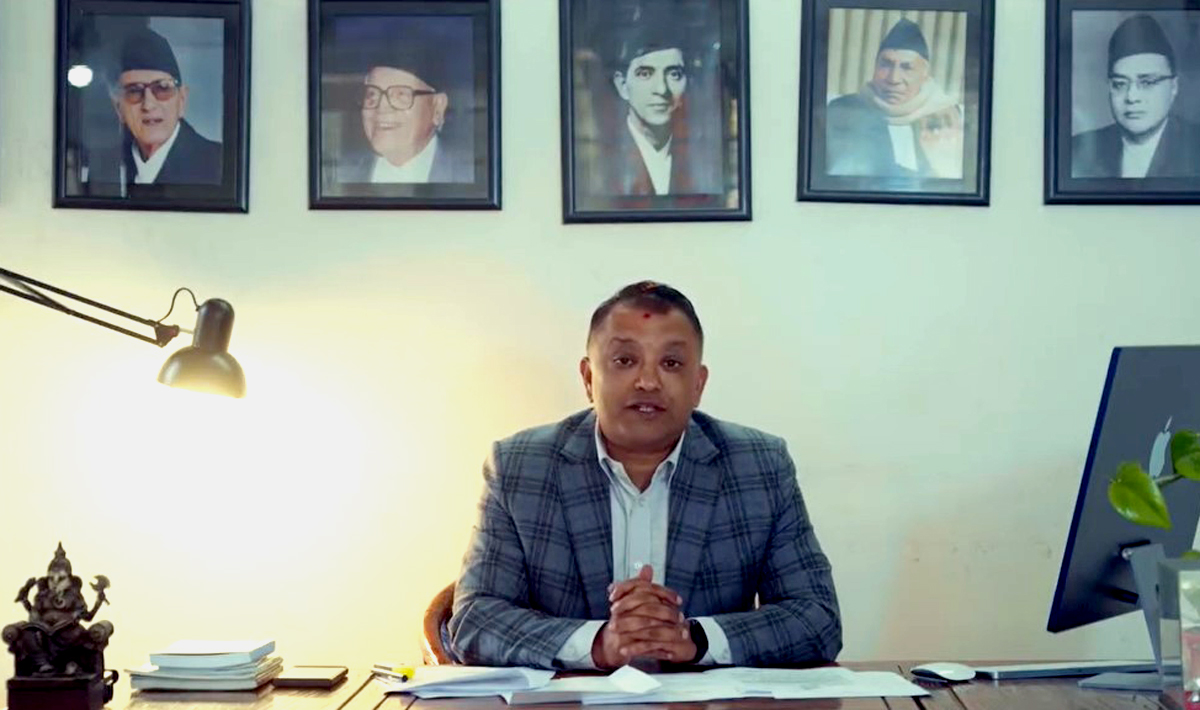
That message resonates strongly with the current political moment in Nepal, particularly for the Nepali Congress and its rising leader Gagan Thapa.
A difficult moment for Gagan Thapa
After championing the idea that the Nepali Congress should not remain a “party of the dead and the obedient,” Thapa emerged from the party’s special convention as a symbol of reformist energy.
Yet following the shock of parliamentary election results, he has remained largely silent.
For Thapa, the gamble was enormous: either transform the party by freeing it from entrenched interests or risk political decline if the effort failed.
Even during the hectic days of campaigning, Thapa tried to energize party cadres through video messages and interviews, urging them to dream of change.
In politics, as in education, failure in an exam does not necessarily mean the end. It may simply signal the need for a new approach.
For a leader shaped by student politics, this electoral setback could be viewed not as defeat but as a delay on the journey.
Voters searching for change
Despite unfavorable conditions, the Nepali Congress still secured nearly 1.7 million votes, a significant base of trust.
But the broader political message from voters is clear: people want tangible change in their daily lives.
The question now confronting the electorate is simple: what difference does it make whether the country is governed by the Nepali Congress, the Communist Party of Nepal (Unified Marxist–Leninist), or the Nepali Communist Party?
For many citizens struggling with economic hardship, symbolic politics is losing its appeal.
People want to know who will make life easier, who will ensure that families do not have to mortgage their homes to send relatives to Gulf countries for work, or that farmers can earn a living from their crops.
The old political playbook, nationalist slogans and ideological debates, no longer satisfies a generation that demands practical solutions.
The rise of the RSP
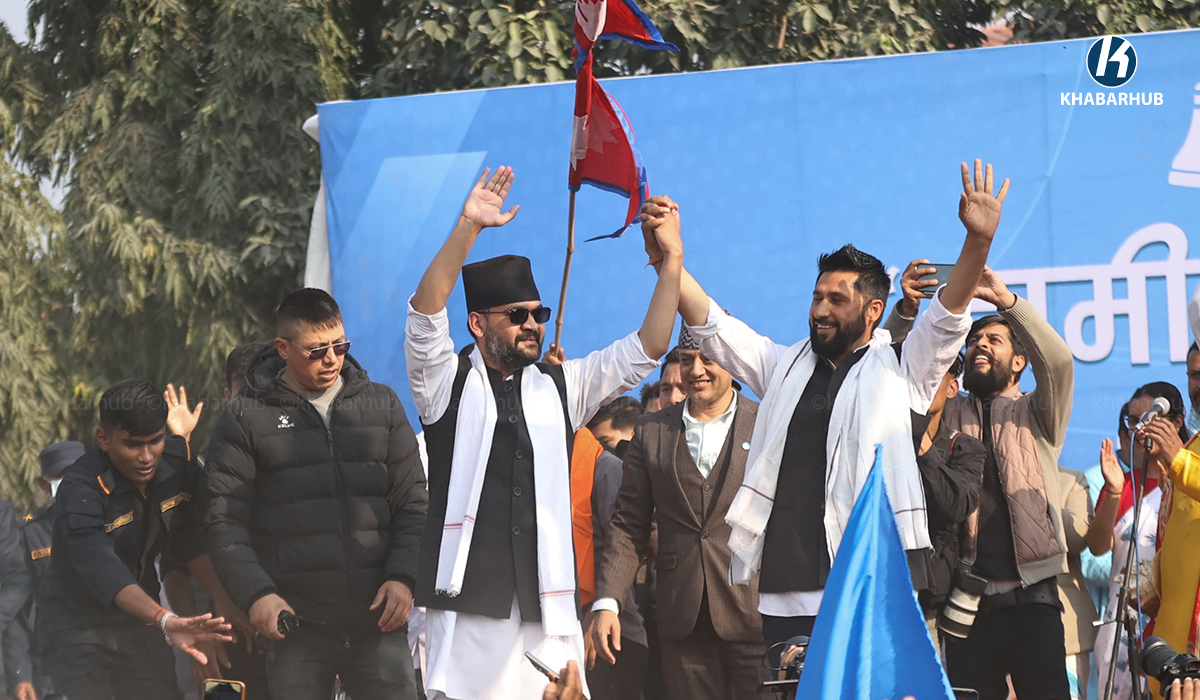
Voter frustration has opened space for new political forces, most notably the Rastriya Swatantra Party led by Rabi Lamichhane.
Many voters who supported the party barely knew its local candidates. Yet the symbol of the bell became a vehicle for expressing anger toward traditional parties.
The resentment accumulated over decades of rule by the Nepali Congress, UML, and NCP has now found an outlet.
However, the challenge for the RSP is equally daunting. If its leaders fail to deliver after entering state institutions, public disappointment could return with equal force.
Lessons for established leaders
The current moment should prompt deep introspection among Nepal’s veteran leaders, figures such as Sher Bahadur Deuba, KP Sharma Oli, Pushpa Kamal Dahal, and Madhav Kumar Nepal.
Political leaders can be replaced, but the public cannot.
Citizens are like children in one sense, they must be persuaded and their trust earned. Once that trust is lost, slogans and history alone cannot restore it.
Nepal’s younger generation, more connected and informed than ever, expects action rather than arguments.
A turning point for Nepali Congress
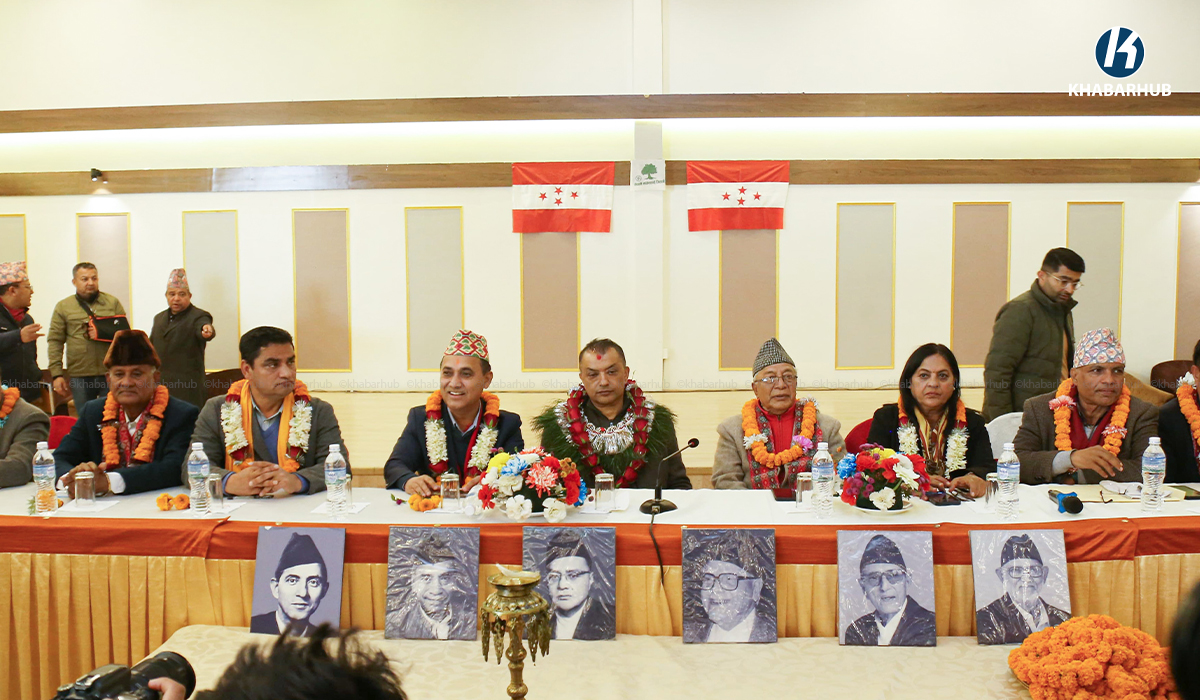
For the Nepali Congress, the coming years may prove decisive.
Local elections scheduled next year could become a critical test of whether the party has learned from the recent setback.
If the party fails again to reconnect with voters, it risks fading into political irrelevance, like once-prominent parties remembered only in history books.
The message from voters is clear: they want leaders who can deliver happiness, dignity, and opportunity, not just speeches.
The metaphor of the bus driver and the priest thus carries a powerful lesson for Nepal’s political class.
In the end, politics, like life, is judged not by words, but by results.



Comment