




Nepal is set to graduate from a Least Developed Country (LDC) to a developing nation in November 2026. While this milestone signals progress on the surface, it also exposes deeper structural vulnerabilities in the country’s trade system.
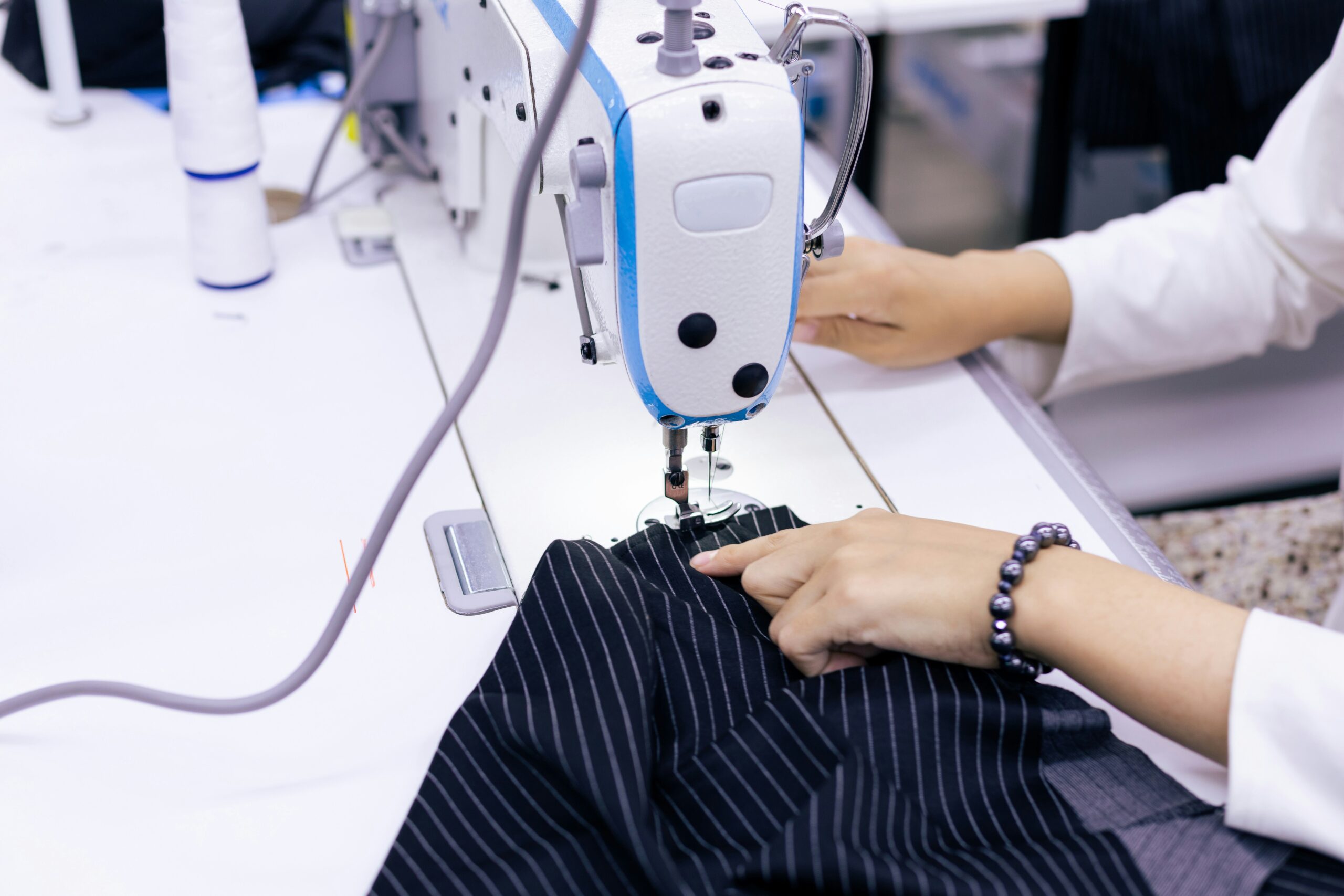
Nowhere are these tensions more visible than in Nepal’s textile and garment industry, the country’s largest export sector and a critical source of employment, especially for women.
Following graduation, Nepal is expected to lose preferential tariffs, face stricter rules of origin (RoO), and encounter rising competition from other countries. A 2025 International Labour Organization (ILO) report suggests that Nepal could face a 4.3% decline in exports, primarily in textiles and garments, along with a potential loss of around 132,000 jobs by 2030.
For decades, Nepal’s garment industry has survived by fulfilling small and customised orders often rejected by larger exporters such as Bangladesh. Duty-free access has served as a key pillar of the industry, enabling it to carve out a niche in major markets. However, this model is inherently fragile. As these advantages erode, product prices are likely to rise, pushing buyers toward cheaper alternatives from other countries and further straining Nepal’s struggling garment sector.
At the same time, the structural weaknesses of Nepal’s garment industry are well known. It relies heavily on imported raw materials, which already face high logistics costs due to geographical constraints. Inadequate modern technology and a limited skilled labour force further add to production costs, reducing overall competitiveness.
Lessons from other countries
Vietnam
Vietnam stands in third position as the largest textile exporter with USD 48.8 billion export value in 2022, as per the Asian Productivity Organization 2025 report. The same report states that the sector employs over 3 million workers and incurs 16% of the country’s total exports. According to the report published by the ILO and Vietnam Textile and Apparel Association, the country was successful in achieving a positive economic growth of $ 39.5 billion in 2023 to $44 billion in 2024. This resulted in the upliftment of the trade sector and has helped Vietnam to attract foreign direct investment (FDI).
Several key factors have enabled Vietnam to excel in this sector, including low labour costs, well-developed export-supporting infrastructure, and a strategic geographic location. The country has also introduced targeted policies such as corporate income tax reductions for high-tech businesses and the development of specialized industrial zones tailored to export-oriented production.
In addition, Vietnam has signed 15 free trade agreements with partners across multiple regions, including the European Union and the Comprehensive and Progressive Agreement for Trans-Pacific Partnership (CPTPP), as well as the Vietnam–EU Free Trade Agreement. These agreements collectively reduce trade barriers and help expand trade volumes significantly.
Sri Lanka
In Sri Lanka, apparel and textile manufacturing is also one of the major sectors contributing to its economy. According to the Joint Apparel Association Forum (JAAF), Sri Lanka’s apparel reached USD 4.57 billion in the first 11 months of 2025, marking a 5.42% growth compared to the previous year.
Similarly, Sri Lanka’s Ministry of Industries Data Book 2022, states that this sector provides direct employment of 350,000 individuals and indirectly to another 1 million individuals. It is among the most progressive in terms of value chain advancement, with a strong focus on product quality and the ability to manufacture niche products. It has also made notable improvements in labour training, product development, and merchandising quality.
One of the key factors behind Sri Lanka’s growing reputation in the international market is its reliability in producing competitively priced, high-quality goods. This has helped the country establish strong and enduring relationships with Western brands and retailers.
In terms of policy development, Sri Lanka shifted from a self-sustaining import-substitution approach to an export-promotion strategy following its economic policy reforms in the late 1970s. This transition supported the establishment of an industrial-based production system for textiles and clothing.
The country also gradually reduced trade barriers, including tariffs and quantitative restrictions. Average tariff rates fell from 27% in 1990 to 7% in 2006, alongside a stronger focus on preferential trade arrangements to enhance investment inflows and bilateral trade. These initiatives contributed to the rapid expansion of Sri Lanka’s clothing and textile industries.
Additionally, the government introduced incentives and VAT exemptions for selected textile materials. It also entered into various trade agreements with countries such as India and Pakistan, as well as regional frameworks including the Asia-Pacific Trade Agreement (APTA) and the South Asian Free Trade Area (SAFTA). Together, these measures provided Sri Lanka with a stronger competitive edge in the international export market.
Way Forward
The lessons from these countries highlight a common denominator: sustained competitiveness in the garment industry requires deliberate policy choices, structural transformation, and continuous upgrading. For Nepal, it is clear that without strategic reforms and decisive policy action, the garment industry will further lose competitiveness after LDC graduation.
To navigate these challenges, three key measures can be proposed to sustain and enhance the sector.
First, Nepal should strengthen domestic raw material production to reduce import dependency and comply with rules of origin requirements. The government should prioritize establishing raw material industries and foster entrepreneurship in this area.
Second, it must create an enabling investment environment through supportive policies and strategies, including incentives for local entrepreneurs, targeted subsidies, and access to low-interest loans.
Third, Nepal should expand its regional and multilateral trade agreements to preserve preferential access and maintain competitiveness in global markets. At present, Nepal enjoys duty-free and quota-free access to the European Union under the “Everything but Arms” (EBA) scheme, except for arms and ammunition. However, this benefit will not last indefinitely. Nepal should therefore seek continued preferential access through alternative arrangements such as the EU’s GSP+ scheme or bilateral agreements.
At the same time, Nepal should consider joining frameworks such as the Regional Comprehensive Economic Partnership (RCEP), which could open access to markets like Australia, the Republic of Korea, and New Zealand with lower or zero tariffs, while also strengthening preferential ties with China and Japan. This would further support export diversification in the textile sector.
Ultimately, maintaining competitiveness in the garment industry will require improvements in trade facilitation, stronger economic and industrial modernization, reduced trade costs, and increased foreign direct investment. Policymakers should prioritise these areas.
Given the significant participation of women in the garment workforce, the government should also implement comprehensive training programmes targeting female workers. These should focus on technical skills such as machine operation, quality control, and other specialised competencies essential for improving efficiency and competitiveness.
As Nepal navigates this transitional phase, it must focus on strengthening competitiveness and adapting to evolving global trade dynamics to ensure the long-term sustainability and growth of its garment sector.






Comment