




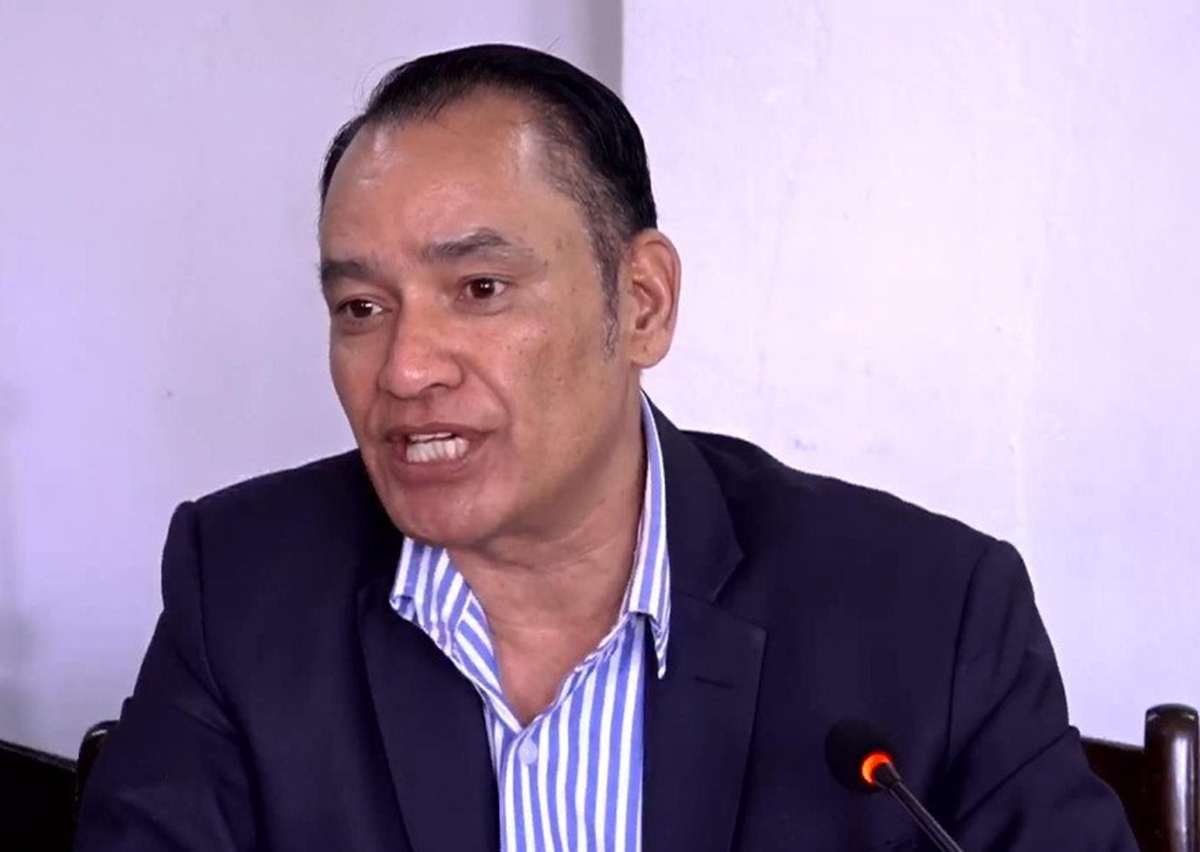
KATHMANDU: Former Executive Director of Nepal Rastra Bank, Nar Bahadur Thapa, has said that investment in real estate and the stock market alone cannot drive economic growth, stressing the need for a forward-looking monetary policy.
Speaking at a discussion on the upcoming monetary policy held by the Finance Committee of Parliament on Sunday, Thapa said Nepal Rastra Bank (NRB) should introduce new monetary instruments and focus on structural reforms in the financial system.
He noted that NRB has played a key role in establishing institutions such as the Nepal Clearing House and the Credit Information Centre in the past, and said similar innovation is needed in the upcoming policy.
Thapa described the current macroeconomic situation as a “paradox,” pointing to excess liquidity in the banking system alongside weak credit demand.
“We are in a situation of excess liquidity. Banks have around Rs 1.12 trillion in funds. Interest rates are low, foreign exchange reserves are at record levels, but loan demand is weak,” he said. “This has created pressure on the banking sector and should guide policy direction for the coming year.”
He said the main challenge is not liquidity or interest rates, but weak transmission of credit and structural constraints within the financial system. In this context, he stressed the need to prioritise productive sector lending, arguing that investment in real estate and secondary market shares cannot accelerate economic growth.
Thapa also highlighted weak coordination between fiscal and monetary policy as a major policy gap.
“If there had been proper coordination, both fiscal and monetary policies would have been more effective,” he said, adding that stronger alignment between the two should be reflected in monetary policy formulation.
He further said Nepal’s monetary policy direction needs a shift, arguing that the focus should move beyond stability and average demand management.
“Given the economic stagnation of the past three to four years, monetary policy should now be oriented towards structural reform,” he added.




Comment