




KATHMANDU: The growing number of Indian pilgrims visiting Muktinath has led to a rise in tourist activity at religious and cultural destinations in Baglung district.
Pilgrims returning from Muktinath are increasingly visiting attractions such as the Baglung Kalika Temple, the Shaligram Museum, and Panchakot, giving a boost to the local tourism industry.
The trend has gained momentum following the operation of the Bhairahawa–Muktinath road via the Kaligandaki Corridor. Hotels in Baglung have also reported a noticeable increase in Indian guests as more tourists visiting Pokhara extend their trips to the district.
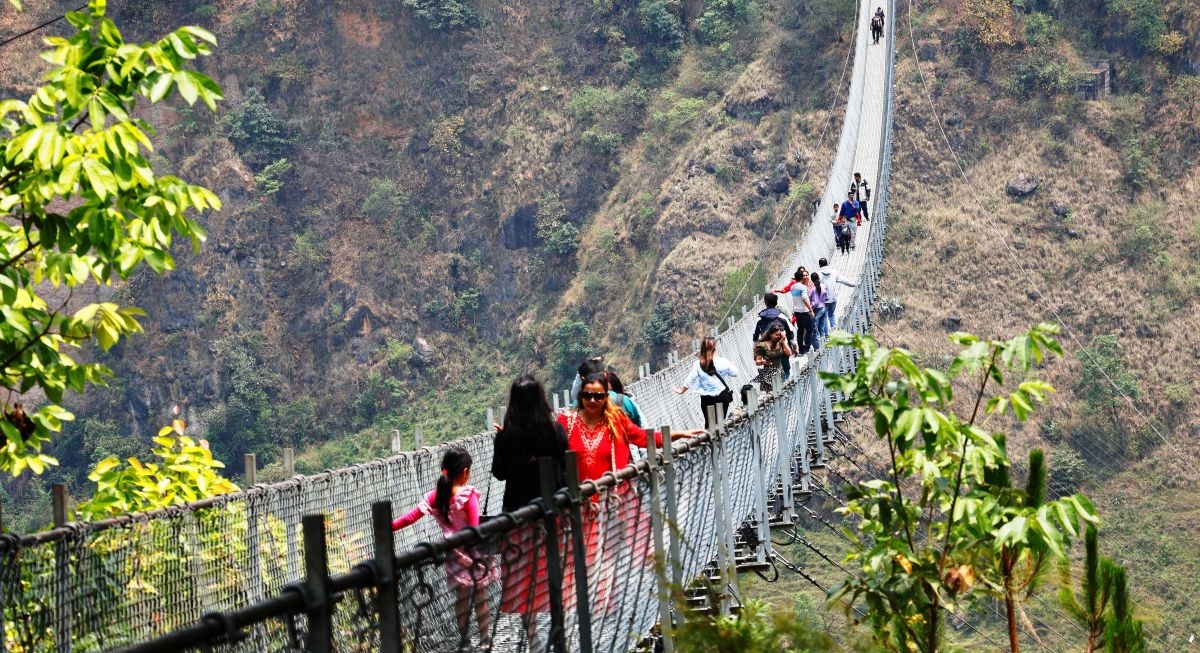
Indian pilgrim Ashutosh Namad, who recently visited the area, shared videos of the Baglung Kalika Temple, the Shaligram Museum, Panchakot, and the Kaligandaki suspension bridge on social media. He said the religious sites from Muktinath to Baglung should be promoted as a single pilgrimage circuit.
Another visitor from Ayodhya, Balkrishna Acharya, said he was deeply impressed by the Shaligram Museum.
“We have worshipped one or two Shaligrams at home for years, but this is the first time I have had the opportunity to see such a vast collection in one place,” he said, adding that he would encourage more pilgrims from India to visit the site.
The museum houses around 115,000 Shaligrams displayed inside a 150-metre tunnel. Established seven years ago to conserve the sacred stones, which are found only in the Kaligandaki River and are becoming increasingly rare due to river extraction, the museum has become a popular stop for pilgrims returning from Muktinath.
According to museum patron Rishi Prapannacharya, although official visitor records are not maintained, an estimated 100,000 people visit the museum annually, including more than 30,000 Indian tourists.
To cater to pilgrims, local hotels and the Muktinath Veda Vidyashram provide accommodation and vegetarian meals. Most Indian visitors travel to Nepal on seven- to ten-day pilgrimage packages and spend one to one-and-a-half days in Baglung.
Madhav Haridas, a pilgrim from Mayapur, described his visit to the museum as a spiritually enriching experience.
“I have travelled to many places around the world, but this is the first time I have seen so many Shaligrams preserved in one location,” he said.
Prapannacharya said pilgrims from Indian states including Kerala, Andhra Pradesh, and Gujarat are visiting Baglung in increasing numbers. In recent years, well-known Indian artists, businesspeople, and promotional tourism delegations have also included the district in their itineraries.
Pokhara Tourism Council General Secretary Jeevan Raj Sapkota said Indian tourists are showing growing interest in Baglung’s religious and natural attractions.
The nearly 500-year-old Baglung Kalika Temple and Panchakot have emerged as major tourist destinations, while Baglung Municipality Deputy Mayor Raju Khadka said more visitors are seeking to learn about the religious and cultural significance of the Kaligandaki civilization.
Indian pilgrims are increasingly including the Shaligram Museum in their itineraries alongside Janakpur, Lumbini, Pashupatinath, and Muktinath.
The Gandaki Provincial Government has also announced plans to develop the Muktinath–Baglung Kalika–Panchakot route as a religious tourism circuit, generating optimism among local stakeholders.
Baglung Chamber of Commerce and Industry President Rajan Kumar Shakya said tourism remains a key driver of the local economy.
“As tourist arrivals increase, demand for local products also grows, helping raise farmers’ incomes,” he said, adding that local governments and the private sector are working together to improve tourism infrastructure, cleanliness, and visitor-oriented services.



Comment