





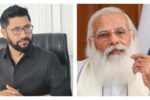
KATHMANDU: Film director Nischal Basnet is facing mounting backlash on social media, with calls for boycott intensifying amid allegations of political alignment and involvement in recent protests.
Even Surya Thapa, a close aide of KP Sharma Oli and a former lawmaker, publicly criticized Basnet, suggesting that several artists—including Swastima Khadka and Arjun Ghimire—had been “misused” during recent political events. However, Thapa stopped short of endorsing a boycott, stating he would still support their films.
The controversy has escalated particularly after Basnet appeared at a protest in Maitighar Mandala supporting the film Lalibazaar, which had been halted by court order. His presence, partly linked to Khadka—who stars in the film—triggered intensified online criticism.
From celebrated filmmaker to controversial figure
Basnet rose to prominence with the blockbuster film Loot, widely credited with revitalizing Nepal’s struggling film industry. At a time when cinema halls were witnessing declining audiences, Loot emerged as a turning point, redefining storytelling and audience engagement in Nepali cinema.
His reputation further strengthened when he challenged theater owners during the release of Dimag Kharab, advocating for a fairer revenue share for producers. His push contributed to increasing the producer’s share from 35 percent to 50 percent—an industry-wide shift.
Until recently, Basnet was regarded as a filmmaker with a clean image and consistent delivery of quality cinema.
Political shadow and “Gen-Z movement” link
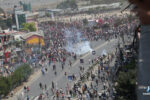
The turning point appears to have been Basnet’s perceived association with the so-called Gen-Z protests held on September 8 and 9, 2025, which saw widespread unrest and damage to public infrastructure.
Although there is no official confirmation of Basnet’s direct involvement in acts of violence, his visible support for the movement has led sections of the public to label him negatively. Critics have gone as far as portraying him as a key figure behind what some online groups refer to as the “Kharani Gang”—a term used to describe those allegedly linked to the destruction during protests.
Basnet has also been seen as close to Balen Shah and the Rastriya Swatantra Party, further fueling political interpretations of his actions.
Film, politics and perception
Another layer to the controversy is Basnet’s film Dimag Kharab, released on YouTube ahead of elections. Critics argue that the film’s narrative—centered on independent youth challenging established political forces—mirrored the ideology of emerging political actors, particularly the RSP.
This has led some opponents to claim that Basnet used his creative platform to influence public sentiment, a claim that continues to shape current backlash.
Boycott debate: justified or exaggerated?
Despite the growing online calls for boycott, analysts say the narrative may be exaggerated.
Journalist Samipya Raj Timalsina argues that Basnet’s participation in protests has been misinterpreted. According to him, Basnet’s involvement was likely driven by a desire to amplify youth voices and push for political accountability, rather than incite destruction.
Similarly, actor Deepak Raj Giri has questioned the logic behind targeting Basnet, noting that artists aligning with political ideologies is not new. He views the boycott campaign as a reaction driven more by political rivalry than objective assessment.
Industry impact uncertain
Whether the social media outrage will translate into real-world consequences remains unclear. Historically, online boycott trends have not always impacted box office performance.
However, the intensity of the current backlash suggests potential commercial risks for Basnet, particularly if the sentiment carries over to cinema halls.
For now, a filmmaker once credited with reshaping Nepali cinema finds himself at the center of a deeply polarized debate—where art, politics and public perception intersect in unpredictable ways.




Comment