




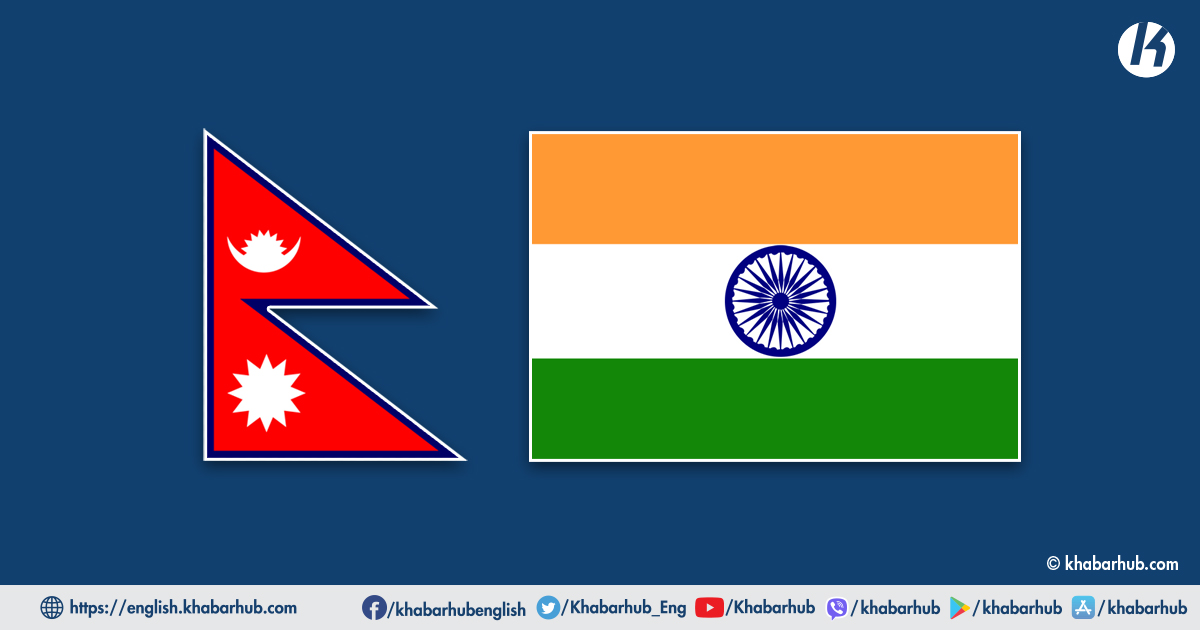
KATHMANDU: The seventh meeting of the Nepal–India Boundary Working Group (BWG) concluded in New Delhi on Tuesday in a cordial and friendly atmosphere, according to Nepal’s Ministry of Foreign Affairs.
The Nepali delegation was led by Prakash Joshi, Director General of Nepal’s Department of Survey, while Hitesh Kumar S. Makwana, Director General of the Survey of India, led the Indian delegation.
The meeting reviewed the progress made in implementing the outcomes of the sixth BWG meeting held in Dehradun in August 2019 and the follow-up actions of the 11th meeting of the Survey Officials’ Committee held in September 2019 at the same location.
Both sides agreed to adopt modern technologies in surveying and mapping to enhance the inspection, maintenance, and effective management of boundary pillars along the Nepal–India border.
The meeting concluded with the signing of an agreed record and a joint commitment to convene the next Survey Officials’ Committee meeting in Nepal in the coming month. The next BWG meeting will also be held in Nepal at a mutually convenient date.
The Nepal–India Boundary Working Group was established in 2014 as a joint mechanism tasked with the construction, restoration, and maintenance of border pillars and other technical matters related to boundary management.



Comment