




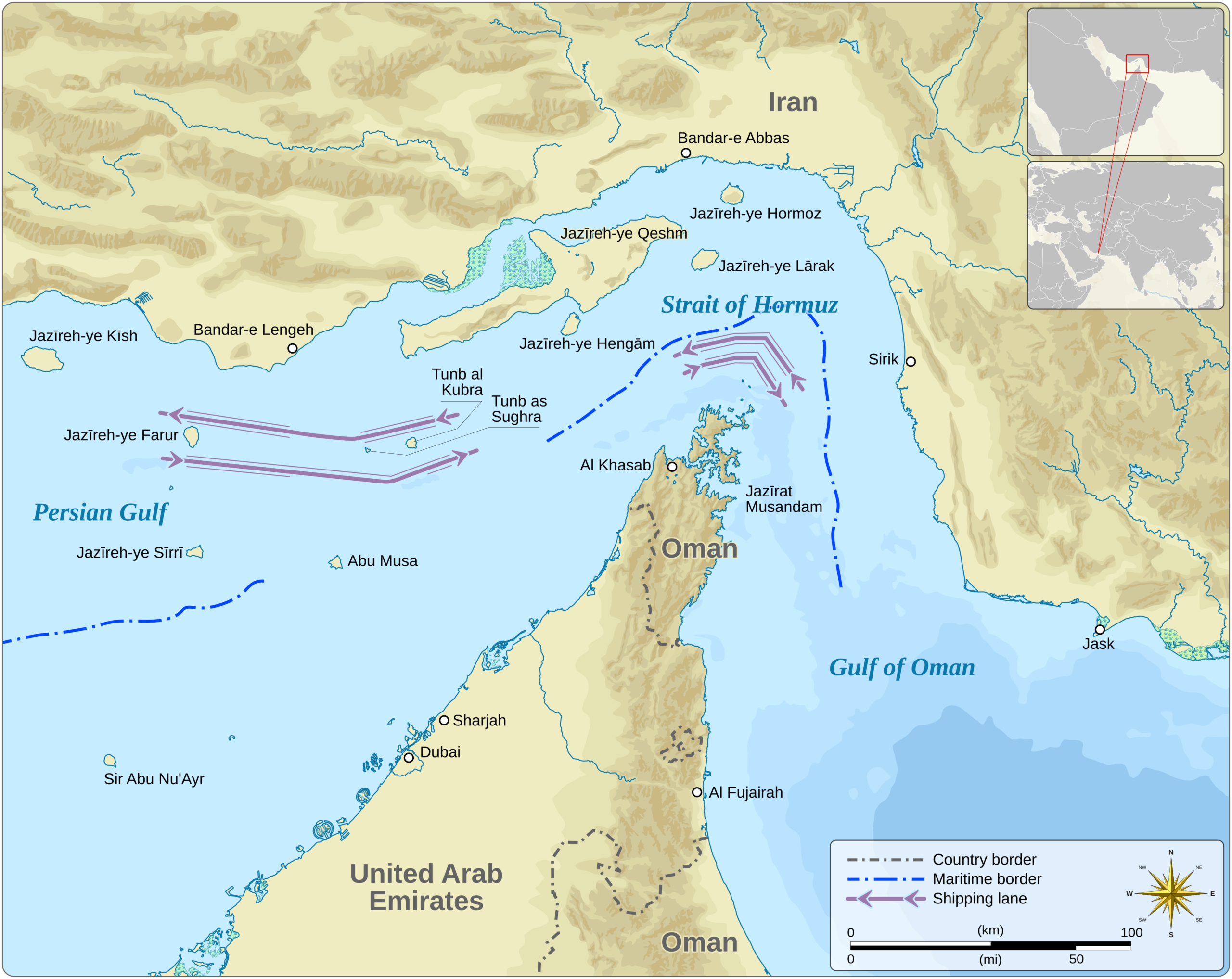
KATHMANDU: Iran has proposed easing its restrictions on the strategically vital Strait of Hormuz while calling on the United States to end its blockade, according to regional officials familiar with the negotiations.
The proposal, reportedly conveyed to Washington through Pakistan, does not address Iran’s nuclear program—a key demand of U.S. President Donald Trump, who has insisted any deal must include curbs on Tehran’s atomic ambitions.
Trump signaled skepticism over the proposal, reiterating that Iran must agree to abandon its pursuit of nuclear weapons as part of any broader agreement to ensure safe passage through the waterway and secure a lasting ceasefire.
Meanwhile, Iran’s Foreign Minister Abbas Araghchi arrived in St. Petersburg on Monday for talks with President Vladimir Putin, focusing on the ongoing conflict involving Iran, the United States, and Israel.
Speaking ahead of the meeting, Araghchi described the visit as an opportunity to consult with Russia on recent developments in the war and the broader regional situation.
Tensions remain high around the Strait of Hormuz, a critical route through which roughly one-fifth of global oil and gas supplies pass. Iran has imposed restrictions on movement through the strait, while the U.S. continues to enforce a blockade on Iranian ports.
The standoff has pushed global oil prices sharply higher, with Brent crude trading at around $107 per barrel, compared to approximately $72 before the conflict escalated.
Efforts to revive negotiations have faced repeated setbacks. Talks were expected to take place in Islamabad over the weekend, but were delayed amid disagreements over conditions and format. Iran has insisted on indirect negotiations, with Pakistan acting as a mediator.
Washington had earlier planned to send envoys to Pakistan to continue discussions, but the mission was later called off due to a lack of progress.
Iran has also engaged regional actors, including Oman, which shares the Strait of Hormuz, in an attempt to explore mechanisms such as toll systems for vessels transiting the waterway.
Despite a temporary ceasefire agreed earlier this month, a permanent resolution remains elusive. Both sides have continued to exchange threats, underscoring the fragility of the situation.
The ongoing conflict has had significant humanitarian and economic consequences, with thousands reported killed across the region and global supply chains disrupted due to restricted maritime movement.
Diplomatic efforts continue, but major gaps remain between the two sides, particularly over Iran’s nuclear program and the terms for lifting U.S. sanctions and military measures.






Comment