




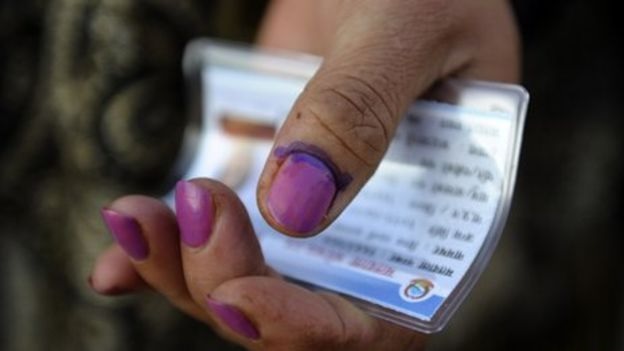
KATHMANDU: With just 71 days remaining for the House of Representatives election scheduled for March 5, 2026, the interim government led by Prime Minister Sushila Karki and the Election Commission have intensified preparations, even as the two major political parties, Nepali Congress and CPN-UML, remain cautious.
Despite the deadline, Nepali Congress and UML have yet to complete full election readiness, although they are preparing to recommend proportional representation candidates by December 29. Both parties have also filed a writ in the Supreme Court seeking reinstatement of the dissolved House, gathering signatures of a majority of MPs with support from smaller parties. This dual strategy sees them ready to participate in the polls while pushing for parliamentary restoration.
Meanwhile, other parties, including the Nepali Communist Party (NCP), are insisting that elections proceed as scheduled. The Karki-led government has been engaging in dialogue with Gen Z movement leaders to create an environment conducive to elections, visiting party offices and holding multiple discussions.
Government efforts
Following the Gen Z movement of September 8 and 9, the interim government received a mandate to hold elections on March 5, 2026. Despite initial distance with major parties, a breakthrough occurred on Tuesday when top leaders, including Prime Minister Karki, UML Chair KP Sharma Oli, and NCP Coordinator Pushpa Kamal Dahal ‘Prachanda’, met at the President’s residence for long discussions, ending a period of political silence.
Significantly, the government acted on demands from UML by lifting restrictions on certain leaders’ positions. Statements from Prachanda indicated the ministerial visits to party offices were a positive sign for the election environment. Gen Z-related investigation commissions have already begun collecting statements from key figures, including former ministers and officials, signaling the government’s commitment to security and law enforcement.
Election Commission readiness
Election officials say preparations are largely complete. Acting Chief Election Commissioner Ram Prasad Bhandari said procedural work remaining is minimal. The Ministry of Home Affairs has finalized security arrangements and provincial-level security meetings, ensuring peaceful elections.
The Commission has prepared rules, directives, and the code of conduct in consultation with political parties. Candidate registration, election symbols, and the publication of voter lists are on schedule, with the first electoral officer’s office to be established on January 16. The Commission plans to reuse most voting materials from previous polls, minimizing costs.
Currently, 114 parties are registered to contest, up from 87 in the 2022. A total of 27 domestic observer organizations and four international bodies have received permission for monitoring. Additional polling stations and centers have been added to accommodate a smooth process.
Political party positions
UML continues to stress the supremacy of law and insists any process must respect legal procedures, with no parliamentary reinstatement as an alternative. NCP, led by Prachanda, maintains elections must occur on March 5, warning that any delay could push the country into political vacuum. Congress has emphasized a need for a safe electoral environment and is ready to participate if conditions are secure.
Other smaller parties, including the Rastriya Swatantra Party, have highlighted legal reforms, such as introducing a ‘No Vote’ option, and stress that any electoral changes must be agreed with all parties.
As the countdown continues, the government and the Election Commission face the challenge of holding free, fair, and peaceful elections while balancing political skepticism and public demand for timely polls.




Comment